What are the new guidelines set by IN-SPACe for Indian and foreign hosted-payloads? | Explained
Source Entity
India Latest News: Top National Headlines Today & Breaking News | The Hindu
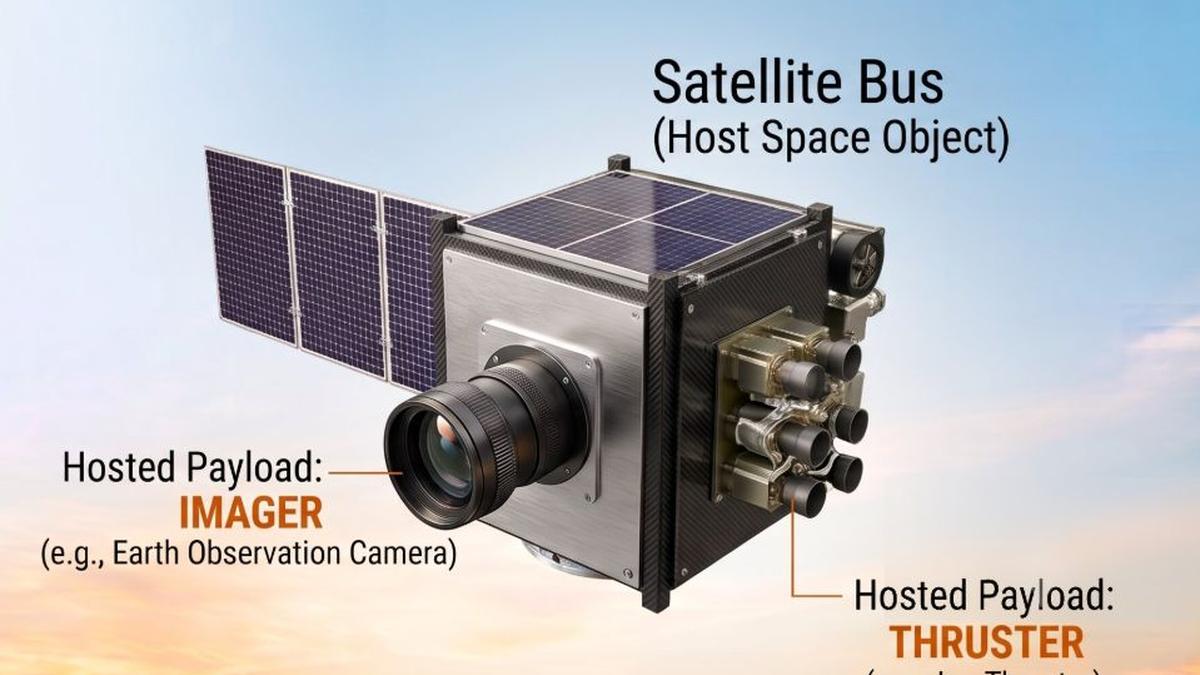
IN-SPACe has introduced formal guidelines for the authorization and operation of hosted-payloads by Indian and foreign entities. These regulations aim to streamline private sector participation in India's growing space economy while ensuring regulatory and security compliance.
Navigating India's New Space Frontiers: The Hosted-Payload Guidelines
On September 17, 2026, the Indian National Space Promotion and Authorisation Centre (IN-SPACe) took a definitive step in formalizing the nation's burgeoning private space sector by releasing the 'Norms, Guidelines and Procedures for implementation of the Indian Space Policy 2023 in respect of authorisation for establishment and operation of hosted-payloads.' This regulatory framework marks a pivot from general oversight to granular governance, specifically addressing the technical and legal requirements for payloads hosted on spacecraft.
The Rise of Non-Government Indian Entities (NGEs)
The release of these guidelines is a direct response to the rapid proliferation of Non-Government Indian Entities (NGEs) within the space ecosystem. Over the past few years, these private participants have transitioned from peripheral contributors to primary developers of payloads for Earth observation, space science, and high-frequency communications. By providing a structured pathway for authorization, IN-SPACe acknowledges that the sheer volume of technology demonstration projects necessitates a clear set of 'rules of the road' to prevent orbital congestion and ensure operational interoperability.
Security, Compliance, and International Standards
A critical component of the new document is its focus on security protocols and International Telecommunication Union (ITU) filings. Because hosted-payloads often share satellite buses with other instruments, the potential for cross-interference is significant. The guidelines mandate that NGEs adhere to strict regulatory standards, ensuring that frequency usage and orbital positioning align with international treaties. This focus on compliance is essential for India to maintain its reputation as a responsible space-faring nation while inviting foreign entities to participate in the domestic space market.
Economic Implications and Global Integration
By delineating the roles of both Indian and foreign entities, IN-SPACe is effectively lowering the barrier to entry for international collaboration. The hosted-payload model is inherently cost-effective; it allows companies to launch specific sensor packages or communication hardware without the massive capital expenditure of building an entire satellite bus. This framework is likely to stimulate a surge in 'space-as-a-service' business models, where Indian startups can provide hosting capacity for global clients, thereby integrating India more deeply into the global supply chain.
Future Trends in Orbital Operations
Looking ahead, these guidelines set the stage for a more mature space economy in India. As technology demonstration projects evolve into commercial constellations, the ability to rapidly authorize and deploy hosted-payloads will be a competitive advantage. We can expect to see increased demand for domestic launch vehicles and satellite integration services as the regulatory environment becomes more predictable. This move by IN-SPACe is not merely a bureaucratic update; it is a fundamental shift toward an industrialized, commercialized space sector that mirrors the rapid growth seen in private aerospace markets across the globe.
Verification Required?