India's 'cockroach' protesters set to return despite police crackdown
Source Entity
BBC News
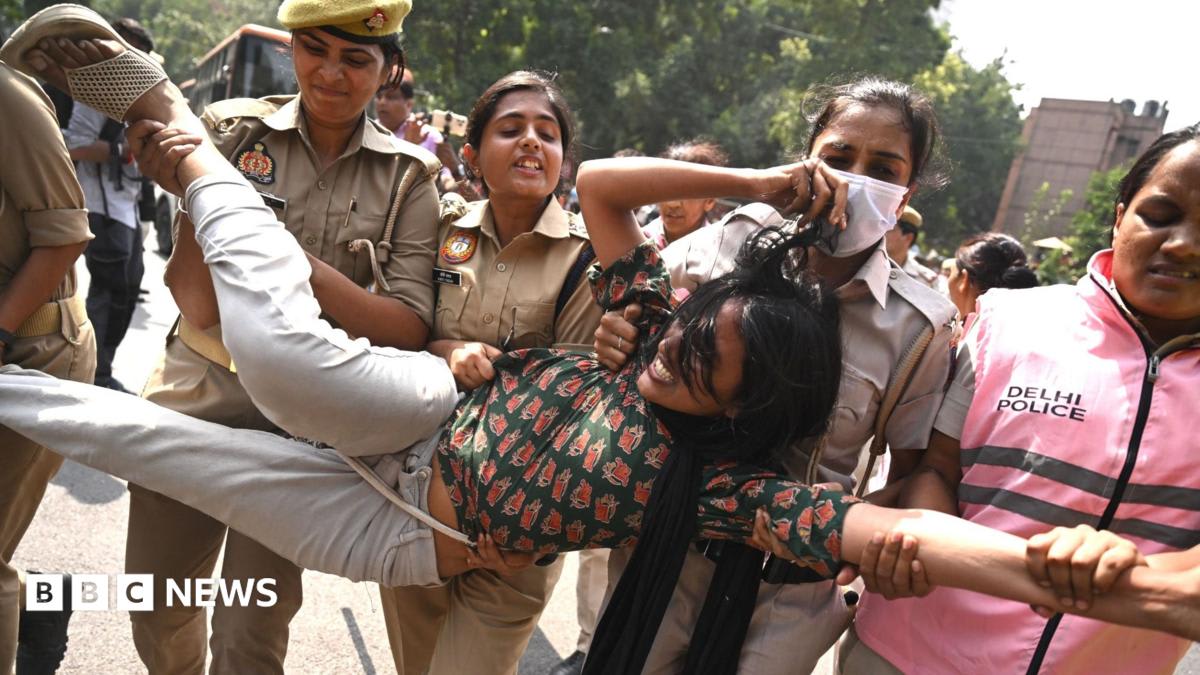
The youth-led Cockroach Janta Party plans to resume protests in Delhi despite recent mass detentions and the imprisonment of its leaders. The movement has evolved from challenging electoral fraud to a broader defense of the fundamental right to public assembly.
The Resurgence of the Cockroach Janta Party
The youth-led movement known as the Cockroach Janta Party (CJP) is preparing for a significant mobilization in Delhi this Friday. Despite facing a stern police crackdown, mass detentions, and the recent imprisonment of two of their key leaders, the group remains undeterred. The movement is planning to gather at Central Park in the heart of the capital’s commercial district, Connaught Place, signaling a confrontational approach to their ongoing campaign for electoral reform.
Origins and Evolution of the Movement
Initially established as a grassroots response to allegations of electoral fraud, the CJP has rapidly transformed into a broader socio-political force. What began as a specific grievance-based campaign has now mutated into a wider struggle concerning the fundamental right to protest. By choosing unconventional sites like Central Park—a location not officially designated for demonstrations—the movement is intentionally challenging the restrictive administrative boundaries placed on civil dissent in Delhi.
The Legal and Administrative Standoff
The recent jailing of two CJP leaders for five days, following their unauthorized entry into the Jantar Mantar protest site, underscores the escalating tension between state authorities and the youth movement. Jantar Mantar, historically the epicenter of Indian public protests, has become increasingly restricted, leading to a cat-and-mouse game between activists and police. The legal landscape remains complex; notably, the Delhi High Court recently declined a plea from a local trader to restrain the CJP, providing a narrow window of opportunity for the group to proceed with their plans.
Broader Implications for Civil Liberties
The CJP’s persistence highlights a growing friction between the state’s desire to maintain public order and the democratic necessity of public dissent. As the movement expands its scope, it taps into a deeper vein of youth frustration regarding governance and transparency. The 'cockroach' moniker, while provocative, serves as a symbol of resilience, suggesting that the movement intends to remain visible and active regardless of the institutional pressures applied to suppress it.
Future Trends and Outlook
Looking ahead, the CJP's strategy indicates a shift toward testing the limits of police enforcement in high-traffic commercial zones. If the movement successfully gathers in Connaught Place despite the recent crackdown, it may embolden other youth-led groups to adopt similar tactics. The state's response to this Friday's demonstration will likely set a precedent for how future political dissent is managed, potentially leading to either a more restrictive policy environment or a reluctant acknowledgement of the need for protected spaces for public expression.