India buys more Russian, Latin American crude as Middle East supplies dip
Source Entity
TOI BUSINESS DESK
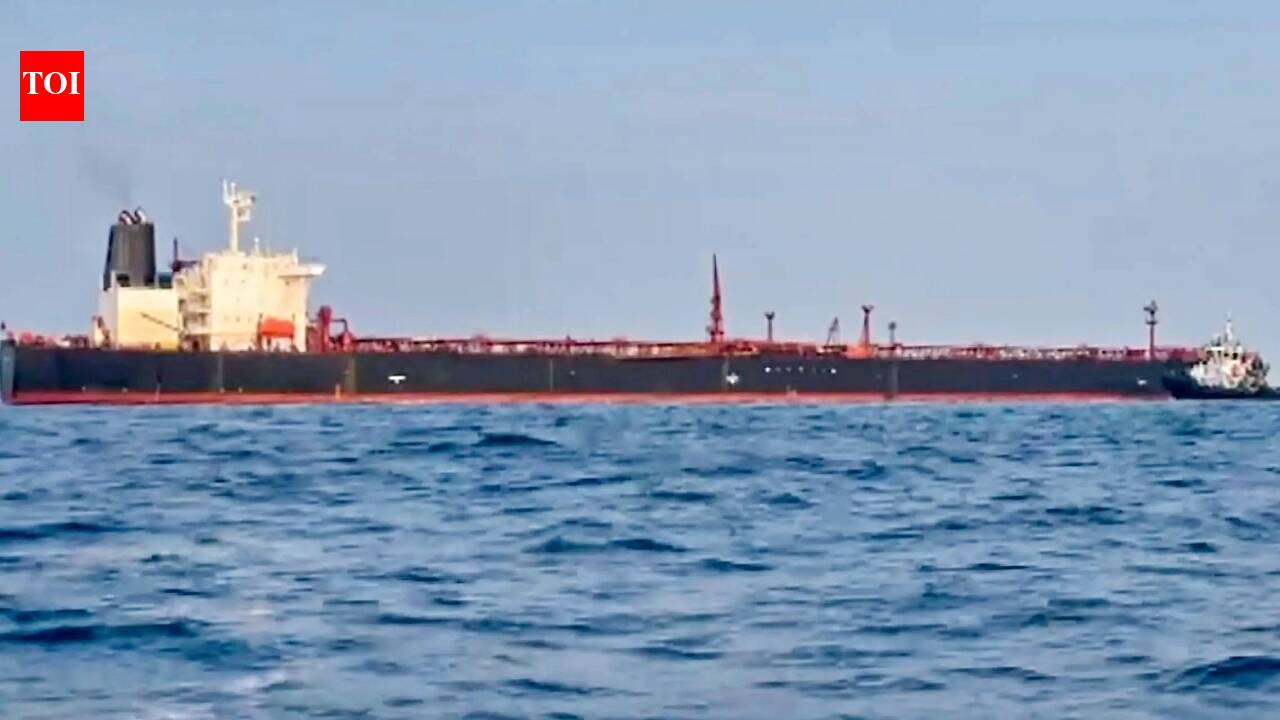
India has diversified its crude oil imports by increasing purchases from Russia and Latin America to offset supply drops from the Middle East. This strategic shift follows severe disruptions in key maritime chokepoints like the Strait of Hormuz and the Bab el-Mandeb Strait.
India’s Strategic Pivot in Global Energy Procurement
India is currently navigating a complex energy landscape, marked by a significant shift in its crude oil import strategy. Due to escalating geopolitical tensions in the Middle East, particularly involving the Strait of Hormuz and the Bab el-Mandeb Strait, India has faced a notable decline in traditional supply sources. With Middle Eastern crude imports falling by approximately 27% to 1.55 million barrels per day during the April-June period, the nation has been forced to rapidly diversify its procurement basket to maintain domestic energy security.
The Geopolitical Bottleneck: Strait of Hormuz and Bab el-Mandeb
The Strait of Hormuz, historically responsible for the transit of nearly one-fifth of global oil supplies, has become a major point of friction following the US-Israeli conflict with Iran. This disruption has fundamentally altered the flow of oil from Gulf producers. Compounding this, the Bab el-Mandeb Strait—another critical maritime chokepoint—is facing threats from Houthi militants, which directly imperils Saudi Arabian crude exports. As these arteries of global energy are constricted, India, a major importer heavily reliant on these regions, has had to seek immediate alternatives to avoid a domestic price and supply shock.
Russia as the Primary Alternative
In response to these supply-side constraints, India has significantly ramped up its engagement with Russian energy markets. Despite international pressure, Indian refiners have maintained consistent demand, with purchases reaching $5.14 billion in June alone. This partnership has been facilitated by temporary US waivers, allowing India to stabilize its domestic market by substituting restricted Middle Eastern barrels with Russian supply. For Russia, this steady demand has been crucial in maintaining export volumes amidst a changing global trade landscape.
Diversification into Latin America
Beyond Russia, India has turned its attention to Latin American producers to bridge the supply gap. By broadening its supplier base to include these nations, India is reducing its overall systemic risk associated with Middle Eastern instability. This diversification is not merely a short-term tactical maneuver but a structural adjustment aimed at insulating the Indian economy from the volatility of single-region dependencies.
Implications for Future Energy Trends
Looking ahead, India’s energy policy is likely to remain focused on extreme flexibility. The events of the April-June quarter demonstrate that the country can successfully navigate supply shocks through rapid procurement pivots. However, the prospect of a 'fresh oil shock' remains a looming threat as maritime security in the Red Sea and the Persian Gulf continues to deteriorate. The long-term trend suggests that India will continue to prioritize 'energy diplomacy,' leveraging its position as a major consumer to secure favorable terms from non-traditional suppliers.
Conclusion
India’s successful navigation of the current energy crisis highlights the importance of a diversified import strategy. By balancing Russian crude with increased Latin American imports, India has managed to mitigate the immediate impact of Middle Eastern disruptions. As the global energy market remains sensitive to maritime chokepoints, India's ability to maintain these alternative pipelines will be the defining factor in its ongoing energy security and economic stability.
Multiple Citing Sources