Indus Water Treaty in present form no longer exists, Pak aiding terrorism: India
Source Entity
SACHIN PARASHAR
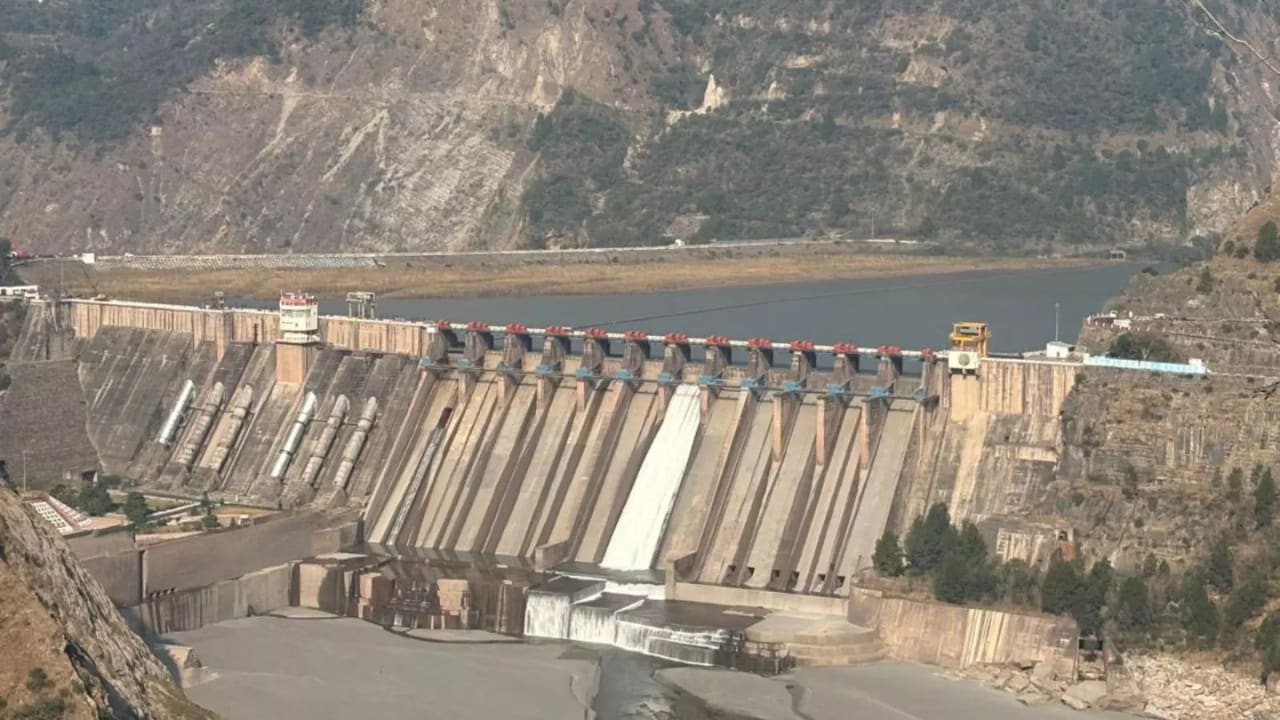
India has declared the 1960 Indus Waters Treaty non-functional in its current form, citing Pakistan's continued support for cross-border terrorism. The government is pushing for a complete review and renegotiation of the water-sharing agreement to address modern geopolitical and environmental realities.
The Collapse of the Indus Waters Treaty
The 1960 Indus Waters Treaty (IWT), once hailed as a triumph of international diplomacy and mediation, has reached a critical breaking point. Following the Pahalgam terror attack, the Indian government has effectively signaled that the treaty, in its current iteration, is no longer viable. Officials have confirmed that the framework, which has governed the management of the Indus river system for over six decades, is essentially in a state of abeyance, with India refusing to be bound by its original terms while citing Pakistan's persistent support for cross-border terrorism.
A Shift in Strategic Stance
India’s hardening position reflects a growing consensus that the traditional mechanisms of the IWT are insufficient to address contemporary national security challenges. By placing the treaty in abeyance, New Delhi has moved beyond mere diplomatic protest, signaling that its patience with Pakistan’s alleged covert activities has reached its limit. The government contends that the treaty cannot function as intended when one party engages in hostile actions that undermine the very spirit of cooperation upon which the agreement was founded.
Addressing Demographic and Environmental Realities
Beyond the security dimension, India has formally sought a review of the IWT based on evolving domestic needs. This includes managing demographic shifts, prioritizing clean energy infrastructure, and adapting to modern climate realities that were not accounted for when the agreement was signed over 60 years ago. The current stance suggests that India views the treaty as an outdated document that hinders its sovereign right to utilize its water resources for sustainable development and energy security.
Dispelling the China-Brahmaputra Comparison
One of the most persistent concerns regarding India’s stance on the IWT is the potential for a negative precedent regarding the Brahmaputra River and China’s dam projects. However, Indian officials have clarified that this is a non-issue, as there is no formal water-sharing treaty between India and China for the Brahmaputra. This distinction is crucial, as it separates the legal obligations under the IWT from the broader, more complex geopolitical dynamics of the Himalayan river basins.
The Path Toward Renegotiation
While India has not yet formally abandoned the World Bank-brokered treaty, the message is clear: the status quo is dead. Any future reactivation of water-sharing provisions will require a fundamental restructuring of the agreement. India’s refusal to allow Pakistan to play the 'victim card' on the international stage marks a significant pivot toward a more assertive 'India-first' policy, where treaty adherence is strictly contingent upon regional stability and the cessation of state-sponsored militancy.
Multiple Citing Sources