India declines comment on Tarique Rahman’s ‘across the border’ jibe over Bangladesh unrest
Source Entity
Latest News: Todays Latest News Headlines from India & World | Hindustan Times
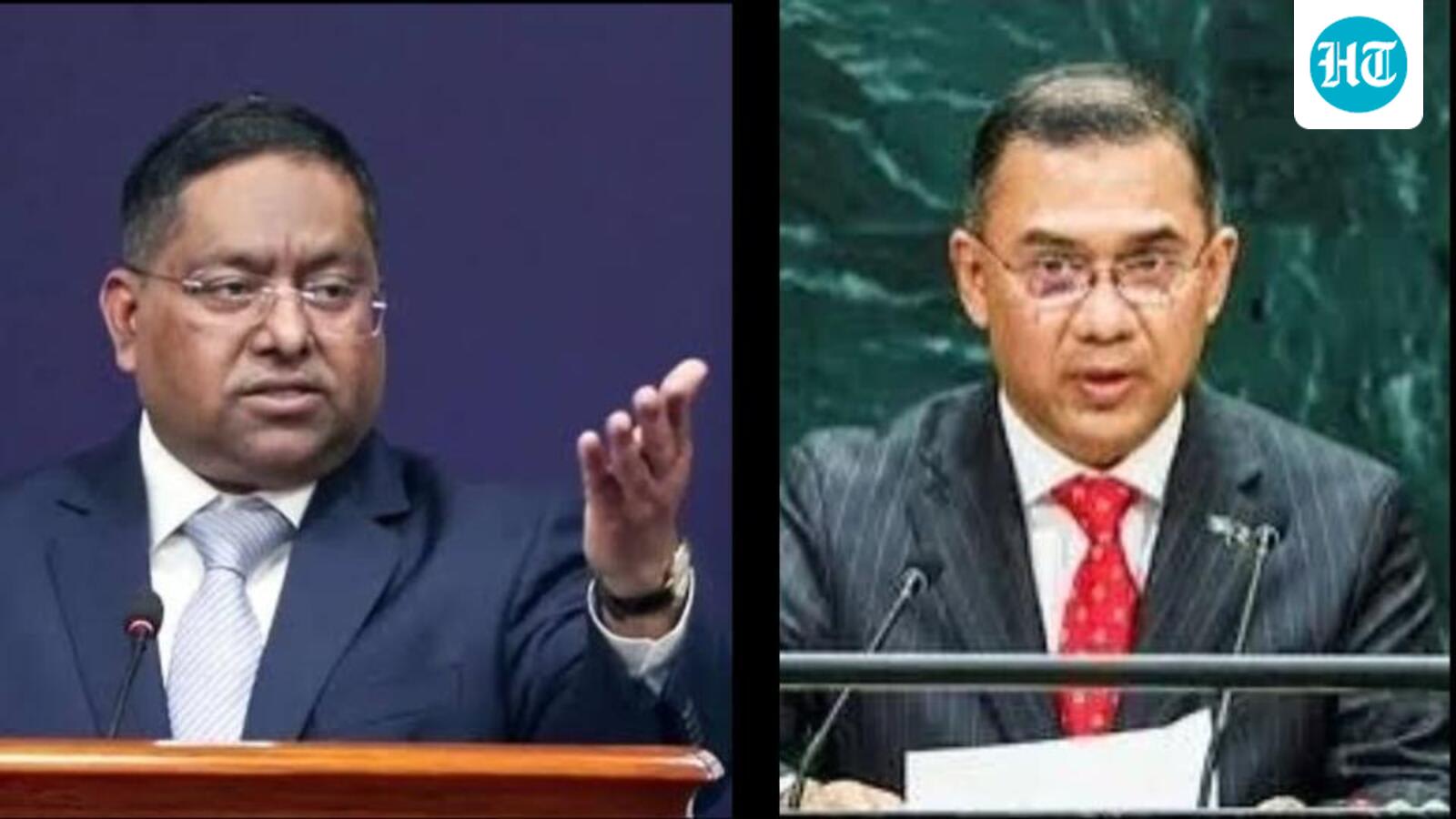
India has declined to comment on allegations made by Bangladesh's leadership regarding external interference in recent domestic unrest. The situation follows fresh protests and calls for a nationwide lockdown by the Awami League.
Tensions Escalate: India’s Stance on Bangladesh Unrest
The Context of Allegations
Recent developments in Bangladesh have seen a sharp rise in political friction, characterized by fresh accusations from Prime Minister Tarique Rahman. Rahman has explicitly blamed supporters of the Awami League, the party of former Prime Minister Sheikh Hasina, for orchestrating violence and attempting to paralyze public transport and business activities. The situation reached a boiling point on Thursday when the Awami League called for a nationwide lockdown, leading to widespread disruptions and instability across the country.
The 'Masters Across the Border' Narrative
Central to the current discourse is the accusation made by Tarique Rahman suggesting that elements of the Awami League are operating at the behest of "masters across the border." This rhetoric implies an alleged foreign hand directing internal dissent, a common trope in regional geopolitical tensions. By framing the unrest as being externally influenced, the current administration seeks to delegitimize the opposition's protests, portraying them not as genuine domestic grievances, but as manifestations of foreign meddling.
India’s Diplomatic Restraint
India, often the implied subject of such "across the border" accusations, has maintained a policy of strict non-interference. External Affairs Ministry spokesperson Randhir Jaiswal’s refusal to comment on Rahman’s remarks serves as a calculated diplomatic maneuver. By stating, "I have no comments to make on the internal developments in Bangladesh," New Delhi is attempting to avoid being drawn into the volatile rhetoric of internal Bangladeshi politics, prioritizing long-term stability over short-term reactionary statements.
Broader Geopolitical Implications
The relationship between India and Bangladesh is historically complex, built on deep cultural, economic, and security ties. India’s desire for "positive and constructive ties" with its neighbor is a cornerstone of its "Neighbourhood First" policy. However, this is increasingly tested by the shifting political landscape in Dhaka. The current standoff suggests that as the internal power struggle between the Awami League and the incumbent government intensifies, the regional perception of India’s influence will remain a point of contention for local political actors.
Future Trends and Regional Stability
Looking ahead, the stability of the region hinges on how the current administration manages the pushback from the Awami League. The use of lockdowns and protest campaigns indicates a polarized political environment that is unlikely to resolve quickly. For India, the challenge lies in balancing its commitment to bilateral cooperation while navigating the hostile narratives emanating from Dhaka. Future trends suggest that while India will likely continue its policy of silence regarding specific internal outbursts, it will need to remain vigilant regarding security concerns that could emerge from prolonged domestic instability in Bangladesh.
Multiple Citing Sources
Verification Required?