Russian missile hits Poland as Ukraine's allies hold military exercise, says Tusk
Source Entity
BBC News
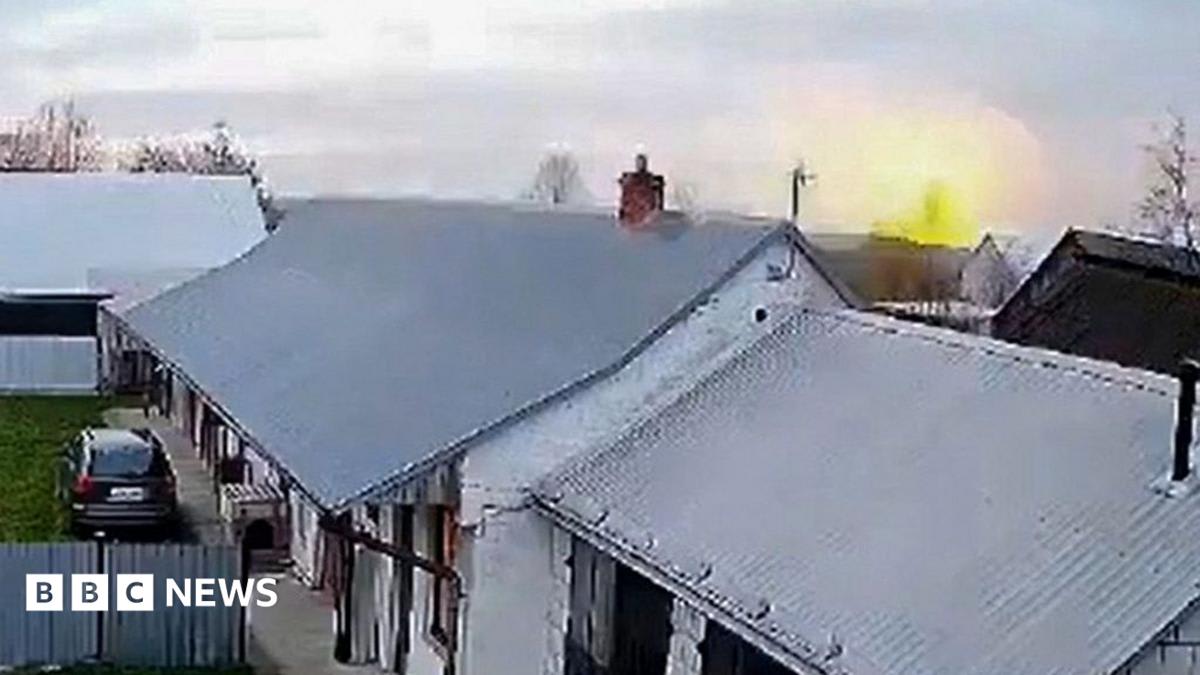
A Russian cruise missile violated Polish airspace during a major aerial assault on Ukraine, coinciding with European military exercises. Prime Minister Donald Tusk has labeled the incident an intentional provocation, prompting a planned visit from Mark Rutte.
Tensions Escalate as Russian Missile Enters Polish Airspace
In a significant development that has heightened regional security concerns, Poland reported that a Russian cruise missile violated its airspace early on Friday. The incident occurred during one of Russia's largest aerial bombardments of Ukraine since the inception of the full-scale conflict in 2022. While initial reports confirm that no casualties or physical damage occurred, the breach of a NATO member's borders has triggered a sharp diplomatic and military response from Warsaw.
The Nature of the Provocation
Polish Prime Minister Donald Tusk has characterized the event as an "intentional provocation" rather than an accidental stray. The missile, identified as a Kh-101—a long-range, precision-guided cruise missile—landed in a rural area at Nowy Lipowiec, approximately 50km from the Ukrainian border. The timing is particularly noteworthy, as it coincided with ongoing European military exercises within Poland, which are focused on preparing for potential postwar missions in Ukraine. By operating in such close proximity to these drills, Moscow’s actions are being interpreted by Polish leadership as a deliberate attempt to test the resolve and readiness of the alliance.
Strategic Context and Regional Stability
This violation occurred amidst a backdrop of intense nighttime bombardment across Ukraine, reflecting a broader strategy of sustained pressure by Russian forces. The presence of two missiles and a suspected drone in Polish territory serves as a stark reminder of the risks associated with the ongoing war spilling over into NATO territory. Historically, such incidents place immense pressure on the collective defense mechanisms of the alliance, forcing a delicate balance between maintaining a deterrent posture and avoiding an inadvertent escalation into a direct conflict between Russia and NATO.
Diplomatic Fallout and International Response
Following the incident, the international community has moved quickly to address the breach. NATO has officially categorized the event as a violation, and there is a high-level diplomatic response underway. Mark Rutte is expected to travel to Poland this weekend to consult with officials, underscoring the severity with which the West views this incursion. This diplomatic engagement comes at a sensitive time, as the United States attempts to mediate discussions regarding the future of the war, which has now reached nearly five years of active combat.
Future Trends and Security Implications
Looking ahead, this incident likely signals a period of heightened vigilance along the eastern flank of NATO. As Russia continues its campaign of aerial bombardment, the risk of technical malfunctions or intentional border probes remains high. Future security trends suggest an increase in intelligence, surveillance, and reconnaissance (ISR) activities in the region, along with reinforced air defense protocols. The ability of NATO members to manage these provocations without triggering a wider conflagration will remain a primary focus for European security architecture in the coming months.