U.S.-China trade, Taiwan and tech tensions remain unresolved as Trump returns from Asia
Source Entity
US Top News and Analysis
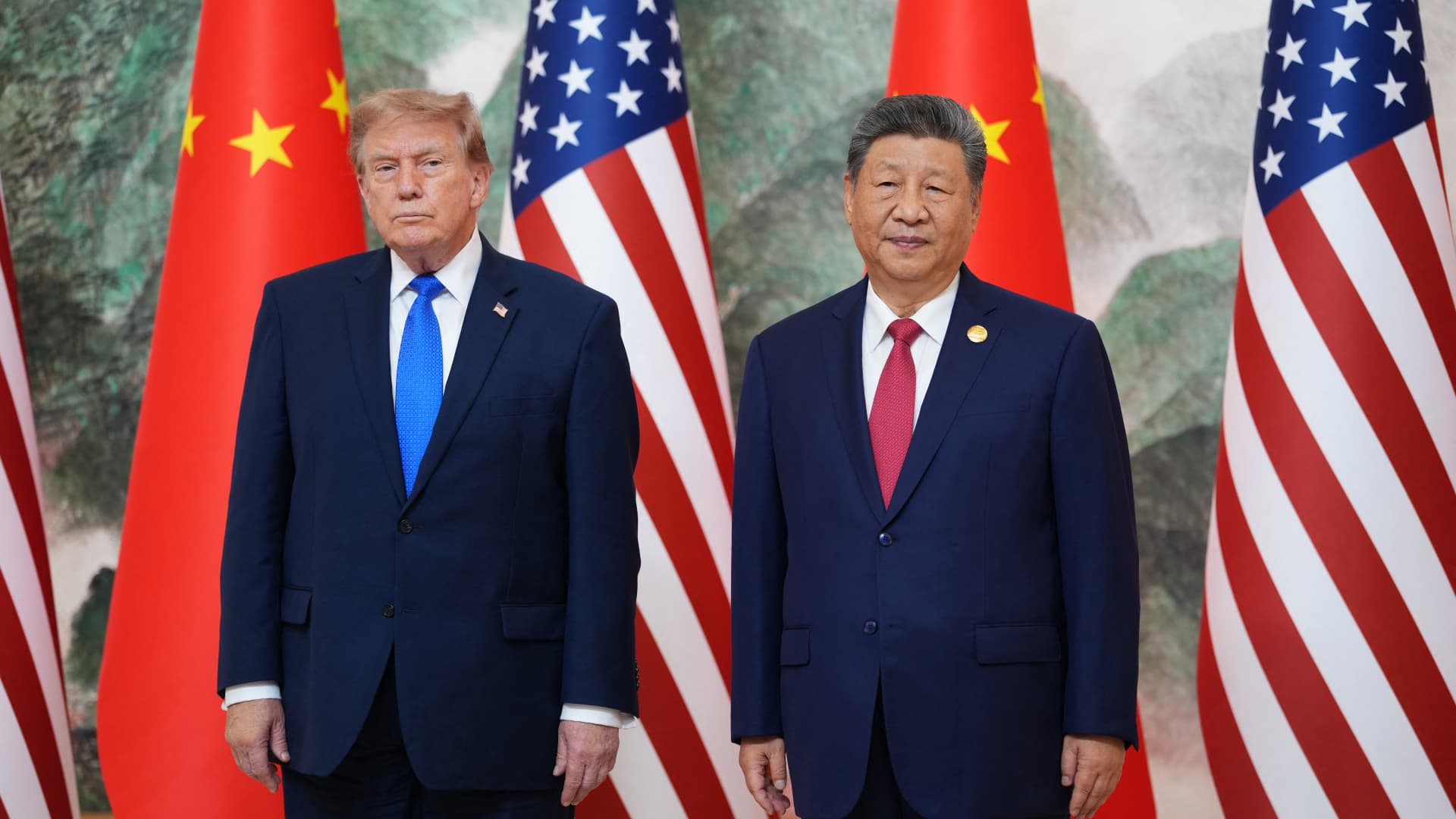
US President Donald Trump, Chinese President Xi Jinping, and Russian President Vladimir Putin are convening in Shenzhen for a historic trilateral summit. The leaders aim to address critical global challenges, including nuclear arms control, ongoing conflicts in Ukraine and Iran, and escalating trade and technology tensions.
A New Geopolitical Era: The Shenzhen Trilateral Summit
The gathering of US President Donald Trump, Chinese President Xi Jinping, and Russian President Vladimir Putin in Shenzhen marks a potential inflection point in 21st-century diplomacy. As these three leaders converge alongside the APEC summit, the high-stakes nature of their trilateral engagement suggests an attempt to stabilize a global order currently strained by multipolar competition. By bringing together the world's primary nuclear and economic powers, the meeting seeks to address systemic instability that has characterized the last decade of international relations.
The Nuclear Imperative
A central pillar of the Shenzhen agenda is the initiation of three-way talks on nuclear arms control. President Trump has identified this as a top priority, acknowledging the profound difficulty in aligning Washington, Moscow, and Beijing on disarmament protocols. Given the expiration of legacy Cold War-era treaties and the rapid modernization of nuclear arsenals, this dialogue represents a necessary, albeit fragile, attempt to re-establish deterrence frameworks that prevent catastrophic escalation.
Navigating Proxy Conflicts
Beyond nuclear security, the leaders are tasked with addressing two active, high-intensity conflicts: the Russia-Ukraine war and the nine-month-old Iran war. The latter has exerted significant pressure on global energy markets, creating economic ripple effects that complicate domestic policies in all three nations. By engaging directly, the leaders aim to leverage their respective influence to find diplomatic off-ramps, though the efficacy of such negotiations remains tethered to the deep-seated strategic interests that triggered these conflicts in the first place.
Trade, Tech, and Strategic Rivalry
The meeting occurs against a backdrop of intense technological and trade friction. Specifically, Washington’s ongoing scrutiny of Nvidia’s semiconductor sales to China and broader tensions over AI development illustrate the 'tech-war' dimension of the summit. These disputes are not isolated; they are intrinsically linked to the broader security architecture. The leaders must navigate the delicate balance between competitive economic nationalism and the need for global supply chain stability.
Historical Parallels and Future Trends
Many observers are comparing the Shenzhen summit to the Yalta Conference, questioning if these three powers can effectively carve out spheres of influence or establish a new 'Rules of the Road.' While historical comparisons are often imperfect, the urgency of the moment is clear. The success of this summit will likely be measured by whether the leaders can move beyond personal diplomacy and establish concrete, binding mechanisms for crisis management in the face of escalating regional tensions, such as those between China and Japan.
Conclusion
As the summit concludes in the coming days, the world will be watching to see if this trilateral engagement produces meaningful policy shifts or merely serves as a symbolic gesture. The convergence of nuclear security, conflict resolution, and the global technology race ensures that the outcomes of the Shenzhen meeting will have lasting implications for the global order for years to come.
Multiple Citing Sources