'Buying Or Not Buying Oil Won't Solve War': India Defends Russia Trade
Source Entity
NDTV News Search Records Found 1000
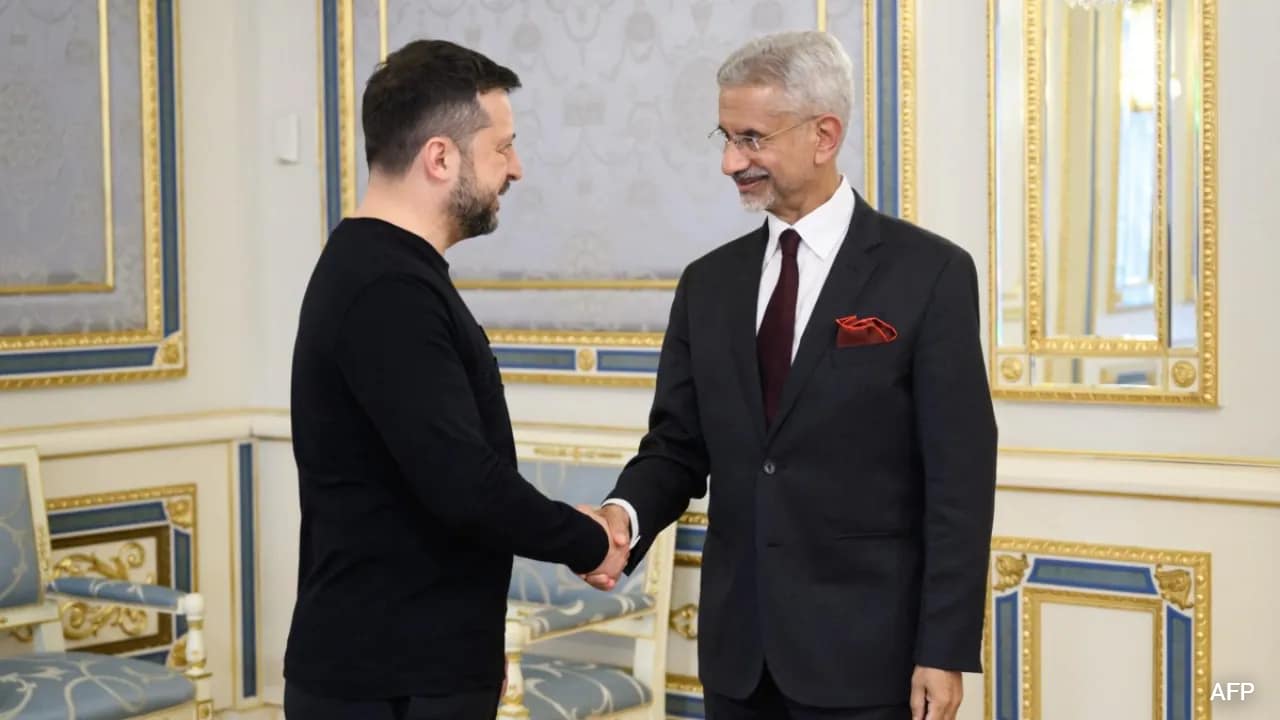
India has defended its continued purchase of Russian crude oil, asserting that trade decisions are based on national interest rather than the resolution of global conflicts. Despite international pressure, Russia remains India's largest crude supplier.
India's Strategic Autonomy in Global Energy Markets
India’s recent assertion that purchasing oil from Russia does not equate to a solution for the ongoing war highlights the nation’s commitment to a policy of strategic autonomy. By maintaining Russia as its largest supplier of crude oil, New Delhi is prioritizing energy security and economic stability over the geopolitical pressures exerted by Western nations. This stance reflects a long-standing diplomatic tradition where India balances its international partnerships while ensuring that the needs of its massive, energy-dependent economy are met without external interference.
The Economic Imperative of Russian Crude
The decision to continue importing Russian crude is rooted in fundamental economic realities. As the world's third-largest oil consumer, India is highly sensitive to price fluctuations in the global energy market. The availability of Russian oil at competitive rates has provided a necessary buffer for India’s refining sector, allowing the country to manage inflation and maintain domestic fuel prices. By securing steady supplies from Russia, India mitigates the volatility that often plagues global markets during times of intense regional conflict.
Navigating Geopolitical Complexities
India’s position as a major importer of Russian oil has placed it in a delicate diplomatic position. While Western allies have sought to isolate Russia economically, India has consistently argued that its trade relations are a matter of national interest rather than political alignment. By framing the trade as a pragmatic necessity rather than a moral endorsement, New Delhi has successfully navigated the criticism from various global powers. This approach underscores India's desire to remain a neutral arbiter in international affairs, avoiding direct involvement in the conflict while refusing to sacrifice its domestic economic growth.
Historical Context of India's Energy Diplomacy
Historically, India has often opted for a multi-aligned foreign policy, maintaining strong ties with diverse global powers. The current energy strategy is a modern manifestation of this historical precedent. Unlike nations that can pivot quickly away from traditional energy partners, India’s infrastructure and energy demands require long-term, reliable, and affordable supply chains. This context explains why India remains steadfast in its trade relations, viewing them as essential components of its broader developmental agenda rather than short-term political instruments.
Future Trends and Global Energy Security
Looking ahead, India’s reliance on Russian crude is likely to continue as long as the economic benefits outweigh the diplomatic costs. As global energy markets evolve, India is also diversifying its energy basket by investing in renewable energy and alternative fuels. However, in the immediate future, the reliance on stable, large-scale crude imports remains a cornerstone of its industrial growth. This strategy serves as a model for other emerging economies that must navigate the tension between international pressure and the urgent requirement for domestic energy security.
Conclusion: A Pragmatic Path Forward
Ultimately, India’s defense of its trade with Russia reinforces the concept that energy security is inextricably linked to national sovereignty. By separating commercial energy transactions from the political complexities of the Ukraine war, India has carved out a path that prioritizes its own population's economic health. This pragmatic approach will likely remain a fixture of India’s foreign policy, influencing how emerging powers manage their interests in an increasingly multipolar and fragmented global landscape.
Verification Required?