Economic, military, or covert pressure? Vance on Trump's toolkit for dealing with Iran
Source Entity
ABHISHEK MISHRA
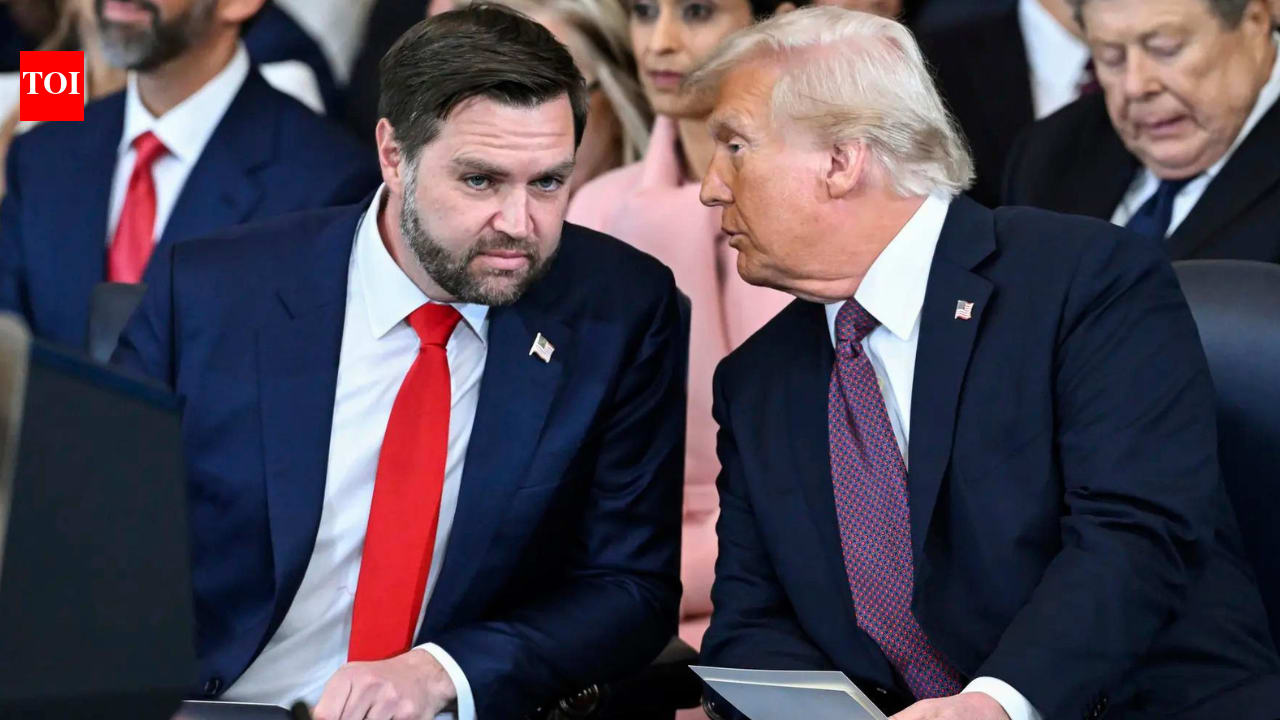
JD Vance has stated that all options, including covert pressure, remain on the table regarding Iran's actions in the Strait of Hormuz. His comments reflect a potential shift toward a multi-faceted approach to regional security under a prospective Trump administration.
Strategic Tensions: The Iran-US Policy Outlook
Recent statements by JD Vance have underscored a hardening stance toward Iran, specifically centering on the security of the Strait of Hormuz. By asserting that all options remain "on the table," Vance has signaled that a potential future administration would prioritize the protection of commercial shipping lanes through a combination of economic, military, and covert measures. This rhetoric serves as a clear warning to Tehran regarding its ongoing maritime activities.
The Strait of Hormuz: A Global Chokepoint
The Strait of Hormuz is not merely a regional waterway; it is a critical artery for the global energy supply. The accusations leveled by Vance regarding Iran targeting commercial shipping highlight the vulnerability of international trade routes. Historically, the disruption of this chokepoint has led to significant spikes in global oil prices and increased insurance premiums for maritime logistics, creating a direct impact on the global economy that necessitates a strong geopolitical response.
Analyzing the 'Toolkit' Approach
Vance’s emphasis on a diverse toolkit—ranging from diplomatic and economic sanctions to military posture and covert pressure—suggests a departure from singular policy approaches. By keeping covert operations as a viable instrument, the administration would likely seek to exert influence without the immediate, high-stakes escalation associated with conventional military conflict. This multi-layered strategy is designed to increase the cost of Iran’s maritime activities while maintaining operational flexibility.
Broader Geopolitical Implications
The pivot toward including covert pressure alongside traditional military and economic tools suggests a complex strategy of containment. This approach aims to deter Iranian influence in the Persian Gulf without necessarily committing to a full-scale regional war. Such a stance is consistent with broader calls for a more assertive foreign policy that prioritizes the security of commercial interests, reflecting a shift in how the United States views its role in maintaining freedom of navigation.
Future Trends and Regional Stability
Looking forward, the rhetoric indicates that the tension between the United States and Iran will likely remain a central pillar of regional security debates. Future policy trends will likely focus on strengthening maritime security coalitions and increasing surveillance in the Strait of Hormuz. As stakeholders watch these developments, the integration of covert capabilities into the broader diplomatic and economic strategy will remain a defining feature of the evolving US-Iran power dynamic.
Multiple Citing Sources