BrahMos Gets The Glory, But India's Next Defence Export Bet May Surprise You
Source Entity
NDTV News Search Records Found 1000
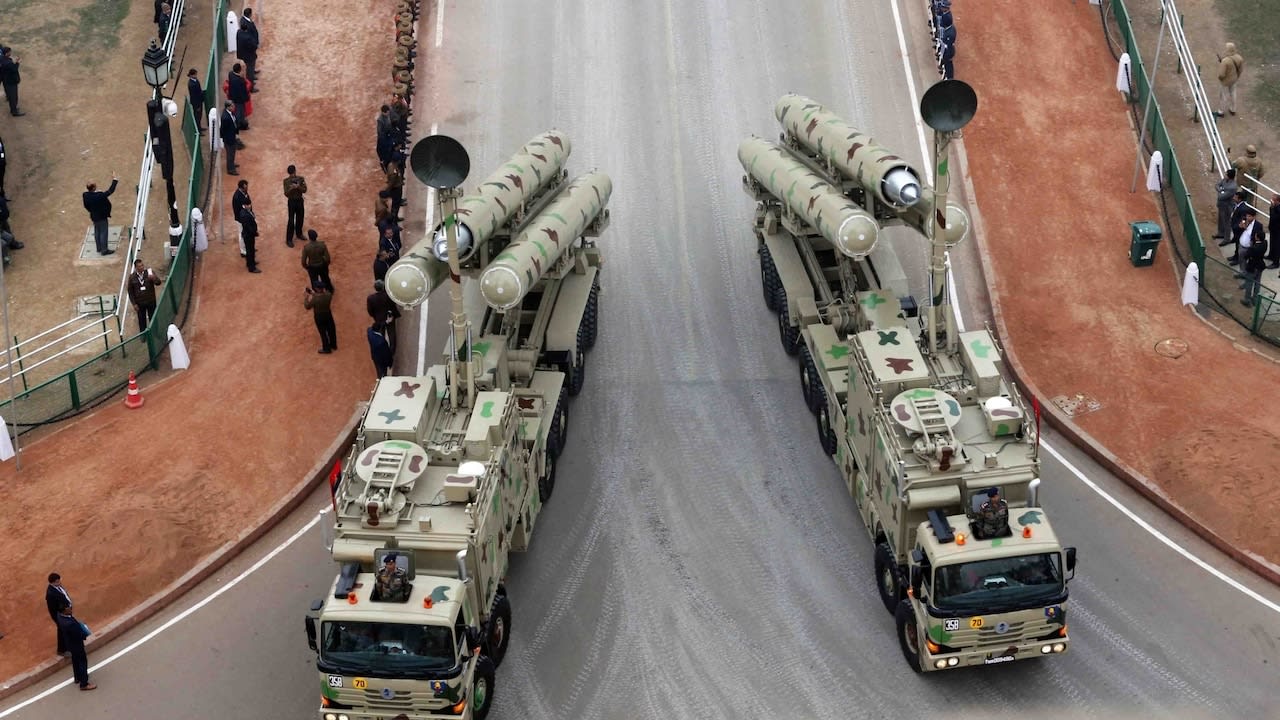
India is aggressively targeting a significant expansion in its defense exports, setting a goal of Rs 50,000 crore by the 2029-30 fiscal year. While high-profile systems like BrahMos lead the narrative, the nation is diversifying its portfolio to secure a larger share of the global arms market.
India's Ambitious Trajectory in Global Defense Exports
India has officially set an ambitious target to reach Rs 50,000 crore in annual defense exports by the 2029-30 fiscal year. This strategic objective represents a paradigm shift for a nation that has historically been one of the world's largest defense importers. By pivoting toward becoming a net exporter of sophisticated military hardware, India aims to leverage its domestic manufacturing prowess to integrate into global defense supply chains.
Moving Beyond the BrahMos Success
While the BrahMos supersonic cruise missile has garnered significant international attention and serves as a flagship product for India's defense industry, the government's long-term export strategy is far more comprehensive. Relying on a single system is insufficient for sustained growth. Consequently, the current strategy focuses on diversifying the export basket to include a broader array of platforms, ranging from advanced artillery and naval vessels to electronic warfare systems and specialized components.
Economic and Geopolitical Implications
Achieving the Rs 50,000 crore milestone is not merely an economic exercise; it is a geopolitical statement. By equipping friendly nations with indigenous technology, India enhances its strategic partnerships and influence in key regions, such as Southeast Asia and Africa. Furthermore, the push for exports incentivizes domestic private firms and public sector undertakings (PSUs) to achieve economies of scale, effectively lowering the unit cost of military equipment for the Indian Armed Forces themselves.
The Role of Policy and Innovation
To hit this target, India has implemented a series of structural reforms designed to streamline the export process, including simplified licensing procedures and government-backed credit support. The focus on 'Atmanirbhar Bharat' (Self-Reliant India) has acted as a catalyst, fostering an ecosystem where innovation is incentivized through research and development grants. This environment encourages startups and established players alike to refine their offerings for the global market.
Future Trends and Market Challenges
Looking ahead, India's success will depend on its ability to provide competitive pricing and long-term maintenance support, which are critical for international buyers. As global defense spending rises due to heightened geopolitical tensions, India is well-positioned to offer cost-effective, high-quality alternatives to traditional suppliers. The coming years will likely see a surge in government-to-government deals, which serve as the foundation for the ambitious export targets set for 2030.
Conclusion
In conclusion, India’s target of Rs 50,000 crore in defense exports by 2029-30 reflects a matured defense industrial base. While the journey requires overcoming competitive pressures and supply chain hurdles, the foundation laid by current policy initiatives suggests that India is on a clear path to becoming a significant player in the global defense market, effectively transforming its historical status from a consumer to a global provider of security solutions.
Verification Required?