Third time’s the charm? What US-mediated Russia-Ukraine talks could yield, the role India can play
Source Entity
Arav Shah
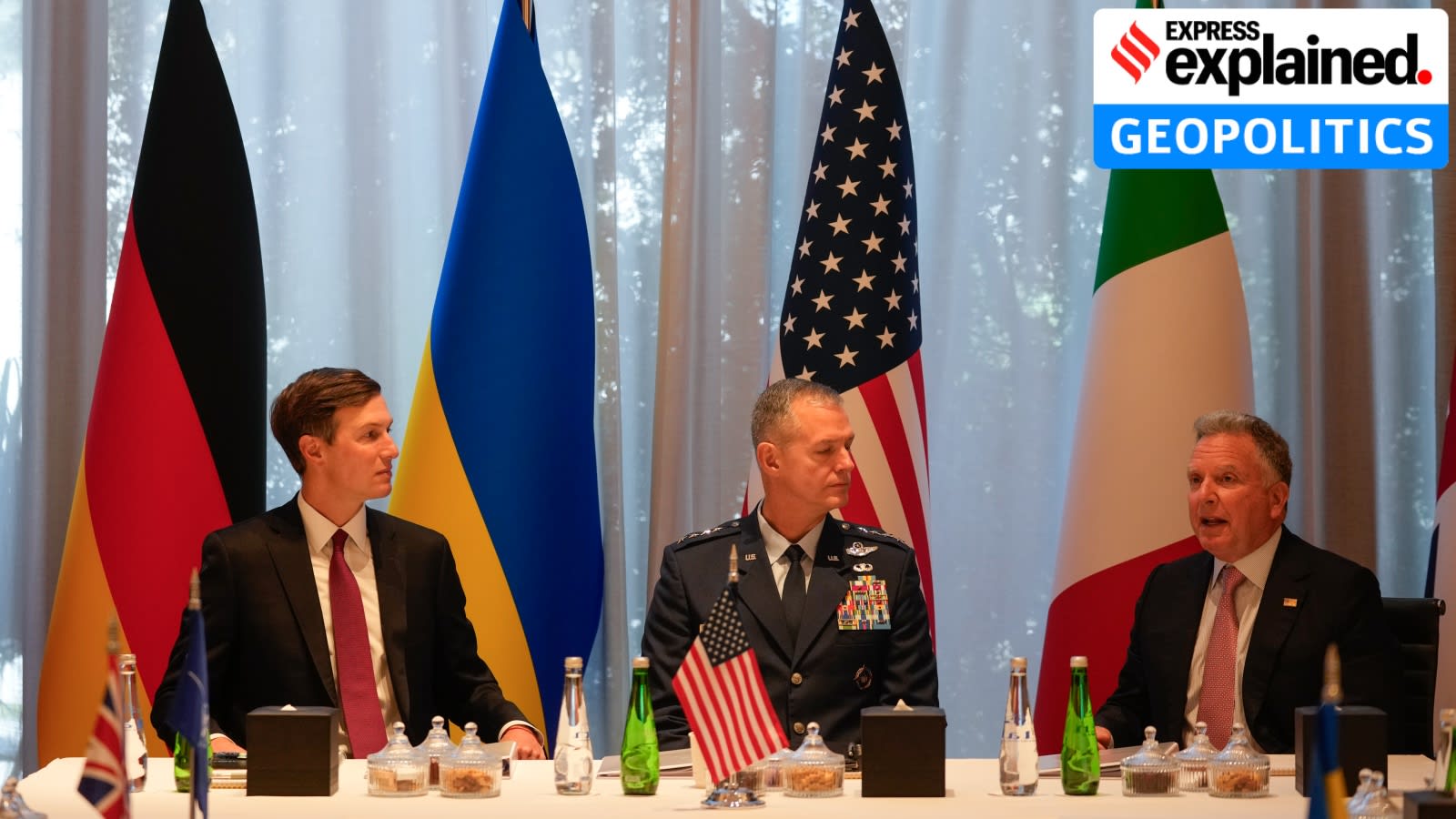
India is balancing its role as a neutral peacebroker in the Russia-Ukraine conflict while simultaneously scaling its defense industrial capacity. New efforts are underway in Abu Dhabi to resolve the long-standing war as India pushes for sustainable defense production.
India's Strategic Pivot: Diplomacy and Defense
Recent global developments have placed India at a unique intersection of international diplomacy and industrial modernization. As the Russia-Ukraine war approaches its fifth year, the world is witnessing a shift in how nations approach both conflict resolution and the logistics of modern warfare. India’s dual focus—acting as a neutral peacebroker in the conflict while rapidly upgrading its domestic defense manufacturing capabilities—reflects a maturing role on the global stage.
The Shift in Global Defense Dynamics
Recent conflicts, particularly in Ukraine, have exposed the fragility of conventional defense planning. The rapid depletion of stockpiles in high-intensity wars has proven that peacetime production models are insufficient for modern requirements. As nations like the US and European powers struggle to replenish ammunition and interceptor stocks, the lesson for India is clear: defense exports must be backed by a resilient, scalable industrial capacity. The entry of private Indian firms into the previously state-dominated artillery ammunition sector is a critical step in closing the quality and quantity gap, ensuring that India can transition from a consumer to a sustainable supplier.
Mediating the Conflict
Diplomatically, India has positioned itself as a reliable, neutral party. With Prime Minister Narendra Modi and External Affairs Minister S. Jaishankar engaging directly with their Ukrainian and Russian counterparts, New Delhi is actively facilitating dialogue. This push for rapprochement is complemented by the latest round of US-mediated talks in Abu Dhabi, involving delegations from the US, Russia, and Ukraine. These discussions, aimed at ending the deadliest European conflict since World War II, underscore the necessity of a coordinated international effort to restore stability.
The Economic and Strategic Stakes
Beyond the immediate humanitarian and political imperatives, the outcome of these peace talks carries significant economic weight. A resolution to the conflict, particularly if paired with the subsiding of the West Asian crisis, would alleviate global energy pressures and stabilize supply chains. India’s advocacy for safe food corridors in the Black Sea further highlights its commitment to global food security and its proactive stance as a responsible stakeholder in international affairs.
Future Trends and Industrial Capacity
Looking ahead, India’s ability to convert export demand into durable industrial capacity will be the ultimate test of its strategic autonomy. By leveraging its diplomatic capital to foster peace, India not only secures its interests at the 'global high table' but also creates an environment conducive to long-term industrial growth. The integration of private enterprise into defense manufacturing is not merely a domestic policy shift; it is a vital component of India’s broader strategy to ensure its own security while contributing to global stability.
Conclusion
In summary, India is navigating a complex geopolitical landscape with a multifaceted approach. By simultaneously driving the domestic industrialization of its defense sector and maintaining a consistent, neutral diplomatic voice in the Russia-Ukraine talks, India is demonstrating a clear vision for its future as both a peacekeeper and a powerhouse of defense production.
Multiple Citing Sources