India Develops First Indigenous 350 Kg Expendable Turbojet Engine
Source Entity
NDTV News Search Records Found 1000
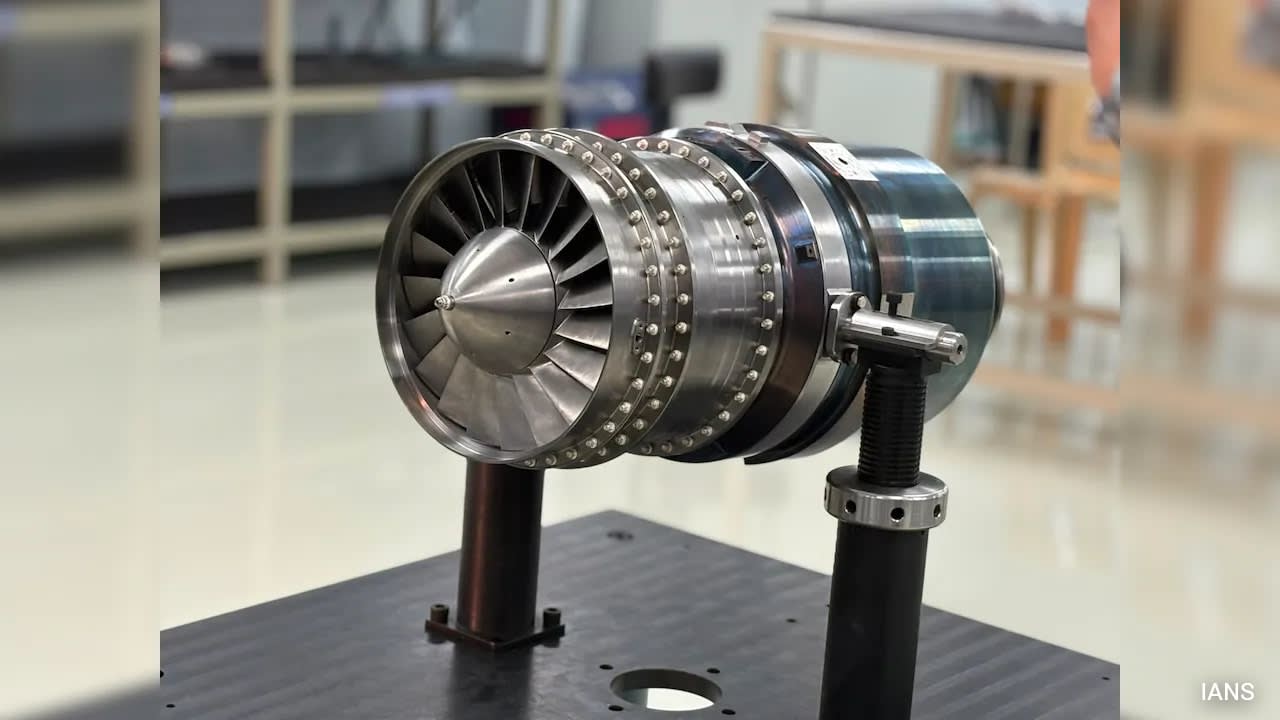
India has successfully developed its first indigenous 350 kg expendable turbojet engine, marking a significant milestone in defense self-reliance. This breakthrough positions India among a select group of nations capable of mastering sophisticated jet propulsion technology.
India's Milestone in Propulsion Technology
India has officially announced the development of its first indigenous 350 kg expendable turbojet engine, a pivotal achievement that signals a major shift in the nation's aerospace and defense manufacturing capabilities. By successfully designing and testing this propulsion system, India has moved closer to achieving complete self-reliance in a sector that has historically been dominated by a small group of global powers. This development is not merely a technical feat; it is a strategic advancement that reduces reliance on imported components for critical defense hardware.
Breaking the Barrier of Entry
Jet engine technology is notoriously complex, requiring advanced materials, precision engineering, and rigorous testing protocols that are mastered by only a handful of countries globally. For decades, the high barrier to entry in this field has forced many nations to procure propulsion systems from international vendors, often resulting in high costs and geopolitical dependencies. India's success with the 350 kg expendable turbojet engine demonstrates a maturation of its domestic research and development infrastructure, proving that local expertise can meet the stringent requirements of modern aerospace engineering.
Strategic Implications for Defense
Expendable turbojet engines are critical components in the development of various unmanned aerial vehicles (UAVs) and missile systems. By producing these engines domestically, India can streamline its production cycles and enhance the lethality and efficiency of its indigenous defense platforms. This move allows for greater autonomy in the design of future tactical missiles and drones, as the engine can now be tailored to the specific weight and performance requirements of Indian-made airframes without needing to reconcile with foreign-supplied off-the-shelf engines.
Historical Context and R&D Evolution
The journey to this achievement reflects years of sustained investment in defense research institutions. Historically, India has relied on international collaboration to bridge technology gaps in its aerospace sector. The transition from licensed production to indigenous innovation represents a fundamental shift in the government’s 'Atmanirbhar Bharat' (Self-Reliant India) initiative. This engine is a culmination of long-term efforts to nurture a domestic ecosystem of scientists, engineers, and manufacturing partners who can solve high-level propulsion challenges.
Future Trends in Aerospace
Looking ahead, this breakthrough serves as a foundational building block for more complex jet engines. The mastery of a 350 kg expendable turbojet provides the technical data and confidence required to scale up to larger, more powerful engines for combat aircraft. As India continues to iterate on this design, the ripple effects will likely be felt across the entire defense supply chain, potentially attracting private sector participation and fostering a robust ecosystem for aerospace manufacturing that can compete on the global stage.
Conclusion
In summary, the development of India's first indigenous 350 kg expendable turbojet engine is a landmark event in the country's military history. By joining the elite ranks of nations that control their own propulsion technology, India has secured a significant strategic advantage. This advancement not only bolsters national security but also sets the stage for a new era of innovation in India's aerospace industry, paving the way for future developments in both defense and commercial aviation.
Verification Required?