The overlapping epidemics of diabetes and TB
Source Entity
Latest News: Todays Latest News Headlines from India & World | Hindustan Times | Hindustan Times
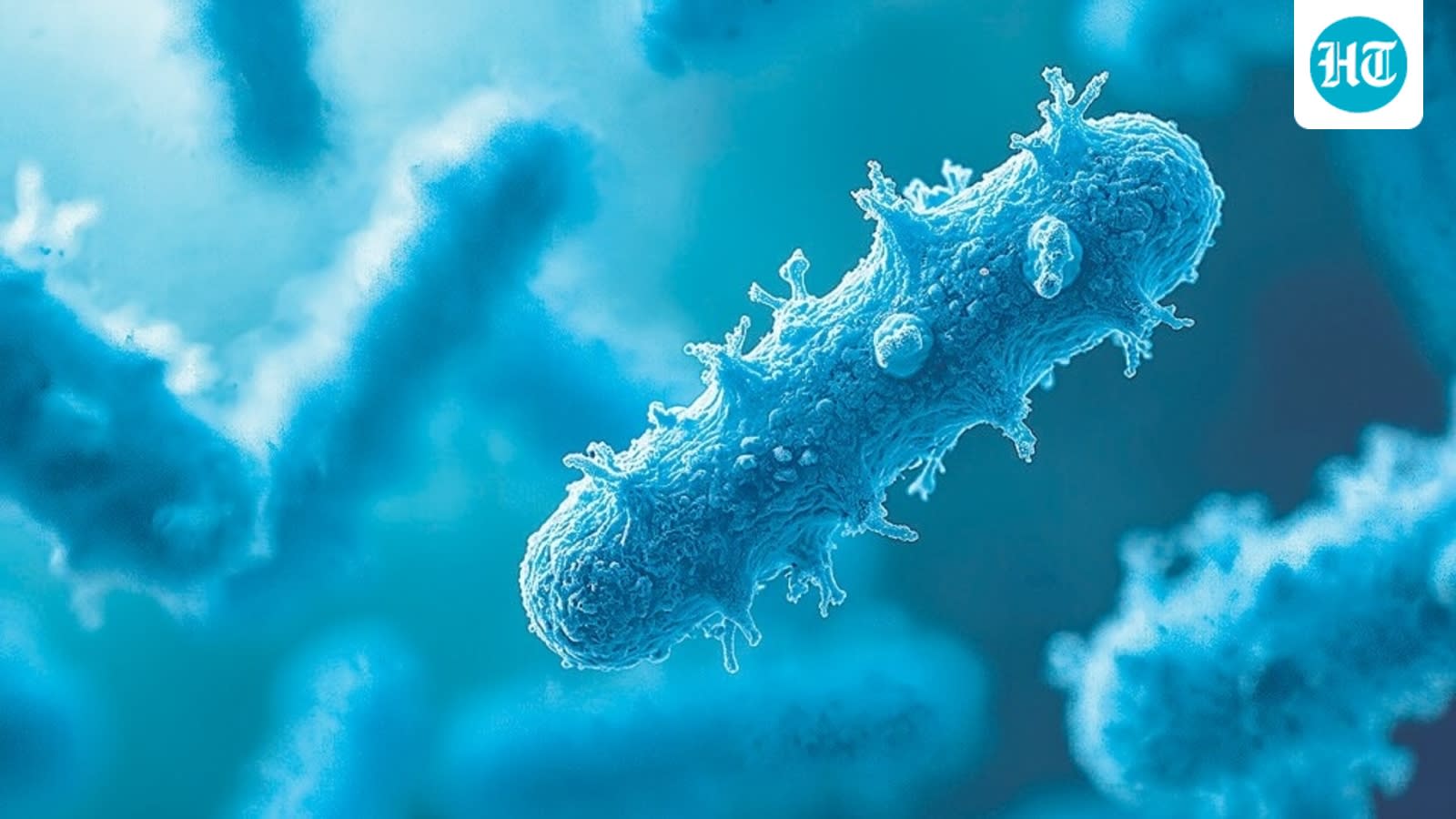
India faces a critical health challenge as rising diabetes rates significantly increase vulnerability to tuberculosis. With nearly 43% of diabetes cases undiagnosed, this syndemic requires urgent public health intervention to prevent further spread of TB.
The Syndemic Crisis: Diabetes and Tuberculosis in India
India is currently navigating a precarious public health landscape, defined by the convergence of two major chronic health threats: diabetes and tuberculosis (TB). As noted by Dr. Urvashi B. Singh of AIIMS, New Delhi, these two conditions are not merely co-existing but are actively fueling one another. The metabolic impairment caused by diabetes compromises the human immune system, creating a biological environment where Mycobacterium tuberculosis can thrive more easily, effectively turning the rising tide of blood sugar into a catalyst for infectious disease transmission.
The Alarming Trajectory of Diabetes
Data from the National Family Health Survey-6 (NFHS-6) paints a sobering picture of India’s metabolic health. The prevalence of high blood sugar among Indian adults has surged from 14.5% to over 19%, representing a nearly one-third increase in a relatively short timeframe. Once historically stigmatized as a 'disease of the affluent,' diabetes has permeated all socioeconomic strata, now impacting approximately one in nine Indian adults. This rapid transition underscores a broader shift in lifestyle and nutritional patterns that the current healthcare infrastructure is struggling to mitigate.
A Burden of Undiagnosed Vulnerability
Perhaps the most concerning aspect of this trend is the massive volume of undiagnosed cases. With 43% of Indians living with diabetes unaware of their condition, the population is effectively walking into a heightened state of TB susceptibility without access to preventative care or early management. When individuals remain unaware of their blood sugar levels, they lose the critical window to manage metabolic health before it begins to erode their immune defenses against airborne pathogens like Mycobacterium tuberculosis.
Epidemiological Implications
India currently carries the world’s second-highest burden of diabetes, a statistic that carries profound implications for national TB control programs. In several regions, nearly 11% of the population is actively living with diabetes, while another 15% are classified as pre-diabetic. This large cohort represents a massive, vulnerable demographic that requires integrated screening protocols. If the medical community continues to treat these diseases in silos, the synergy between metabolic dysfunction and infectious disease will likely undermine national efforts to eliminate TB.
Future Trends and Strategic Needs
Moving forward, the intersection of these two epidemics demands a paradigm shift in clinical practice. The future of public health in India must involve 'bidirectional screening'—where every patient diagnosed with diabetes is routinely screened for TB, and every TB patient is assessed for metabolic health. Failure to address this syndemic will likely lead to higher morbidity rates, increased drug resistance, and a significant strain on the national healthcare budget. The data provided by the NFHS-6 serves as a clarion call for policy makers to prioritize integrated chronic disease management to curb this dual threat.
Verification Required?