Why boiled eggs turn grey and whether they are still safe to eat
Source Entity
The Indian Express
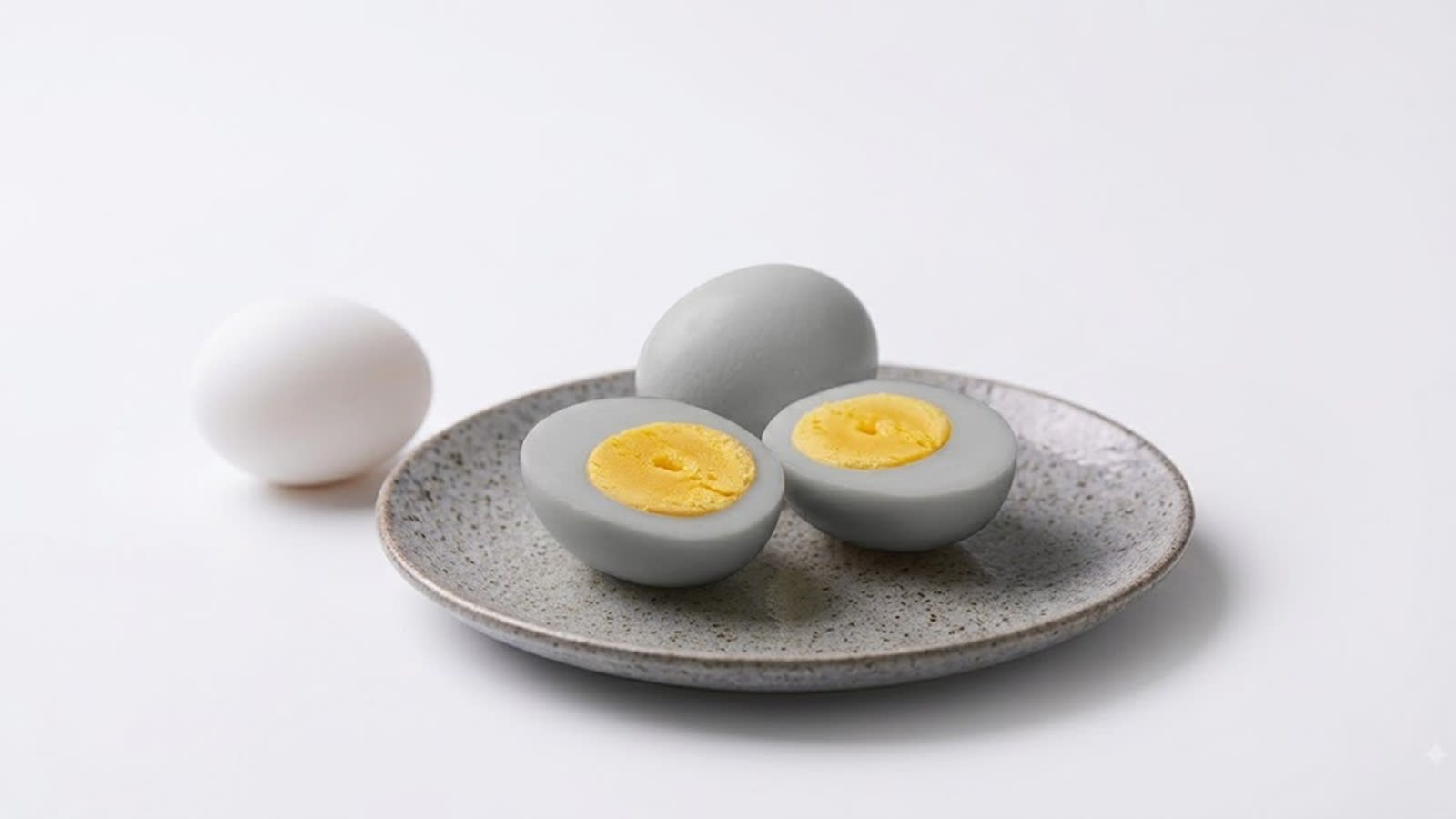
A grey or green ring around a boiled egg yolk is typically harmless and caused by overcooking. This discoloration occurs due to a chemical reaction between sulfur and iron, meaning the egg remains safe to consume.
Understanding the Science Behind Boiled Egg Discoloration
Many home cooks have encountered the puzzling sight of a grey or greenish ring surrounding the yolk of a hard-boiled egg. While this visual change can be off-putting, expert insights from Dt. Amreen Sheikh of KIMS Hospitals Thane clarify that this phenomenon is a common occurrence in culinary science rather than a sign of spoilage. Understanding the chemistry behind this reaction is key to distinguishing between a simple cooking error and actual food safety concerns.
The Chemical Reaction: Iron Sulfide
The root cause of the discoloration is a chemical reaction triggered by heat. When an egg is subjected to high temperatures or cooked for an extended period, the sulfur found in the egg white reacts with the iron present in the yolk. This interaction creates iron sulfide, a compound that manifests as the familiar grey or green tint surrounding the yolk. It is a predictable byproduct of thermal processing that does not indicate the presence of harmful bacteria or pathogens.
Distinguishing Safety from Aesthetic Quality
It is essential to clarify that the appearance of this ring does not render an egg unsafe for consumption. Provided the egg was fresh prior to being boiled and was stored under proper refrigeration conditions, the discoloration is purely cosmetic. The texture and nutritional integrity of the egg remain largely unaffected, allowing individuals to consume these eggs without health concerns, despite the departure from the ideal yellow yolk appearance.
Culinary Best Practices for Egg Preparation
To avoid the formation of the iron sulfide ring, precision in cooking is paramount. Overcooking is the primary culprit, suggesting that shortening the boiling time or using the 'off-heat' method—where eggs sit in hot water for a specific duration rather than boiling continuously—can prevent the reaction. Ensuring eggs are not subjected to excessive heat helps maintain the aesthetic quality of the yolk, keeping it a vibrant yellow rather than a dull grey.
Broader Implications for Food Safety Awareness
This clarification serves as a reminder of the importance of distinguishing between food quality and food safety. Misinterpreting aesthetic changes in food as signs of spoilage leads to unnecessary food waste. By understanding the scientific basis of common cooking phenomena, consumers can make more informed decisions, effectively reducing the frequency with which perfectly edible food is discarded due to minor, harmless chemical reactions.