India again distances itself from Sheikh Hasina’s remarks
Source Entity
Latest News: Todays Latest News Headlines from India & World | Hindustan Times | Hindustan Times
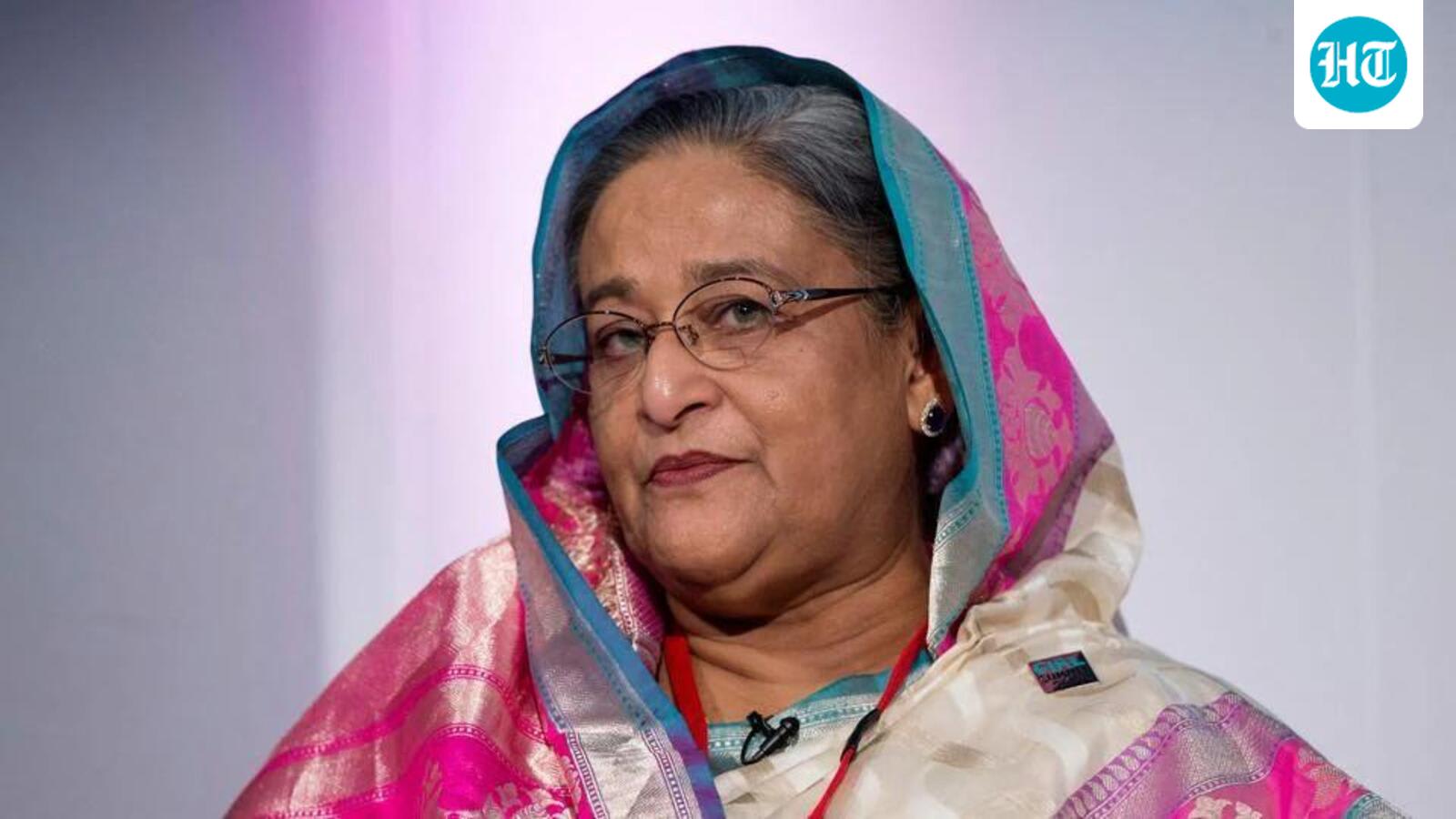
The Indian Ministry of External Affairs has formally distanced itself from former Bangladesh PM Sheikh Hasina's recent press conference. Dhaka expressed outrage, citing sovereignty concerns, while New Delhi maintains it had no role in the event.
India Clarifies Stance on Sheikh Hasina’s Recent Media Appearance
The Indian Ministry of External Affairs (MEA) has issued a formal clarification regarding the recent virtual press conference held by former Bangladesh Prime Minister Sheikh Hasina. Following her flight from Dhaka in August 2024 amidst a significant student-led uprising, Hasina has been residing in India. The MEA explicitly stated that the Indian government had no role in organizing this event and does not endorse any statements made against the current Bangladeshi administration.
The Diplomatic Friction Point
This clarification comes as a direct response to the mounting tension between New Delhi and Dhaka. The Bangladeshi government expressed severe indignation regarding the event, characterizing it as an affront to their national sovereignty. By facilitating or allowing a platform for a former leader who is currently facing legal challenges in her home country, the optics of the situation have placed India in a delicate diplomatic position, forcing officials to reiterate their commitment to non-interference.
Context of the Uprising and Exile
To understand the gravity of this situation, one must consider the circumstances of Hasina’s departure. Her resignation and subsequent flight occurred in the wake of widespread civil unrest driven by student movements. Her public declaration during the virtual press conference—signaling her intent to return to Bangladesh by December despite the looming threat of arrest or a potential death sentence—has further polarized political sentiment within the region.
Implications for Bilateral Relations
Dhaka has urged New Delhi to clarify its policy regarding what it terms 'conspiratorial activities' conducted from Indian soil. This request highlights a fundamental challenge in India-Bangladesh relations: balancing the humanitarian obligation of providing refuge to a former head of state with the strategic necessity of maintaining a constructive, stable relationship with the sitting government in Dhaka.
The Path Forward
Both nations have expressed a mutual desire to foster constructive relations rooted in the principles of equality and mutual respect. However, the path to normalization requires careful navigation of the domestic political pressures in Bangladesh and India's stated policy of non-interference. The MEA’s repeated distancing from Hasina’s rhetoric serves as a signal that India aims to preserve its long-term strategic partnership with Bangladesh, prioritizing state-to-state stability over individual political agendas.
Conclusion
In conclusion, the situation underscores the complexity of regional diplomacy when domestic political instability spills across borders. As both countries seek to stabilize their bilateral ties, the Indian government’s insistence that it does not endorse the remarks made by Hasina remains a critical pillar in de-escalating the diplomatic friction caused by the event.
Verification Required?