India hit by doping woes at CWG; judoka removed, weightlifting team sanctioned
Source Entity
Pritish Raj
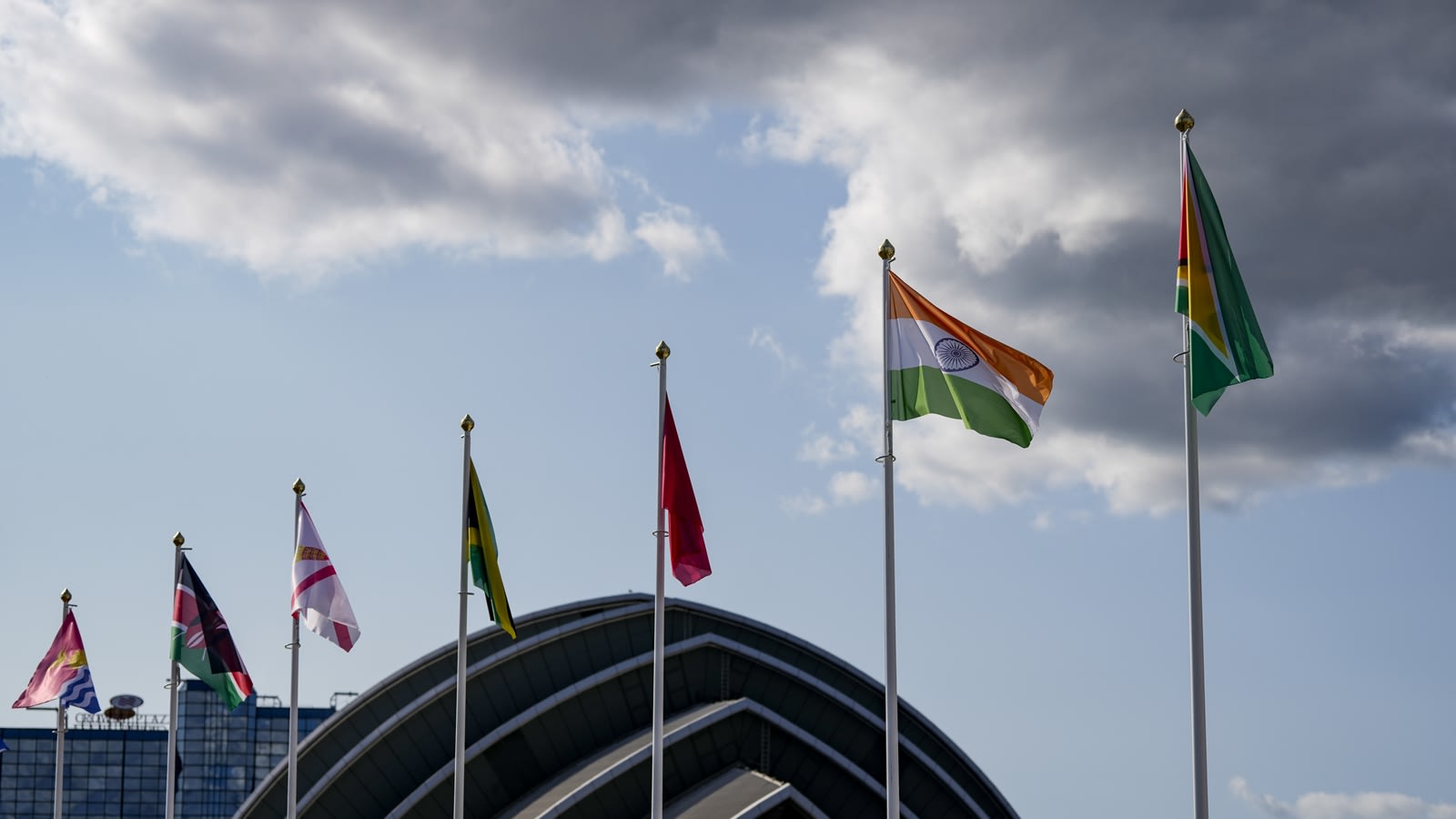
India's Glasgow 2026 Commonwealth Games campaign faces early setbacks following the removal of judoka Arun Kumar and weightlifter Dilbagh Singh due to anti-doping violations. These withdrawals, particularly in weightlifting, threaten India's projected medal tally and highlight persistent challenges in anti-doping compliance.
India Faces Early Doping Setbacks at Glasgow 2026
The Indian contingent for the Glasgow 2026 Commonwealth Games has encountered a difficult start, with two key athletes removed from competition due to anti-doping rule violations. The withdrawal of judoka Arun Kumar and weightlifter Dilbagh Singh has cast a shadow over the opening of the Games, raising concerns regarding the integrity of the nation's preparation and its potential performance in key events.
Impact on Judo and Weightlifting Prospects
Arun Kumar, a rising star in the 73kg category, was ruled ineligible following an adverse analytical finding from an out-of-competition test conducted by the National Anti-Doping Agency (NADA). Kumar’s absence is a significant blow, given his recent trajectory, which included a gold medal at the 2025 Taipei Asian Open and a strong background from the Inspire Institute of Sport. His withdrawal reduces the total Indian athlete contingent from 125 to 124, and because of competition regulations, India is unable to name a replacement, effectively ending their medal hopes in his specific event.
Simultaneously, the weightlifting team, which is traditionally a powerhouse for Indian medal counts, has also been hit. With expectations of securing at least half-a-dozen medals in the sport, the sanctioning of Dilbagh Singh and the resulting squad reduction threaten to diminish India’s overall medal tally. The weightlifting squad remains a critical pillar of India’s Commonwealth Games success, and any disruption to this unit carries broad implications for the country's final standing on the leaderboard.
The Broader Context of Anti-Doping Compliance
These incidents highlight the persistent struggle against doping in high-performance sports. NADA’s rigorous out-of-competition testing serves as a necessary, albeit painful, mechanism to maintain the integrity of international sporting events. For athletes like Arun Kumar, who had shown immense promise, the failure to clear these checks serves as a stark reminder of the stringent requirements placed on elite competitors to monitor their own health and biological intake.
Historical Trends and Future Implications
Historically, India has faced scrutiny regarding doping in weightlifting, leading to increased pressure on national sports federations to tighten supervision. The current situation in Glasgow suggests that while talent pipelines—such as those at the Inspire Institute of Sport—are producing world-class athletes, the support systems surrounding nutrition and medical compliance must be equally robust to prevent such occurrences on the global stage.
Conclusion
As the Games progress, the Indian delegation will need to pivot quickly to support the remaining athletes while addressing the underlying issues that led to these disqualifications. While the loss of medal prospects is undeniably detrimental to the short-term goals in Glasgow, it serves as a critical inflection point for the future of Indian sports management, emphasizing the need for comprehensive education and oversight to ensure that future medal hopes are not derailed by preventable administrative and health-related failures.