Indian judoka Arun Kumar withdrawn from 2026 CWG after failing dope test
Source Entity
TOI SPORTS DESK
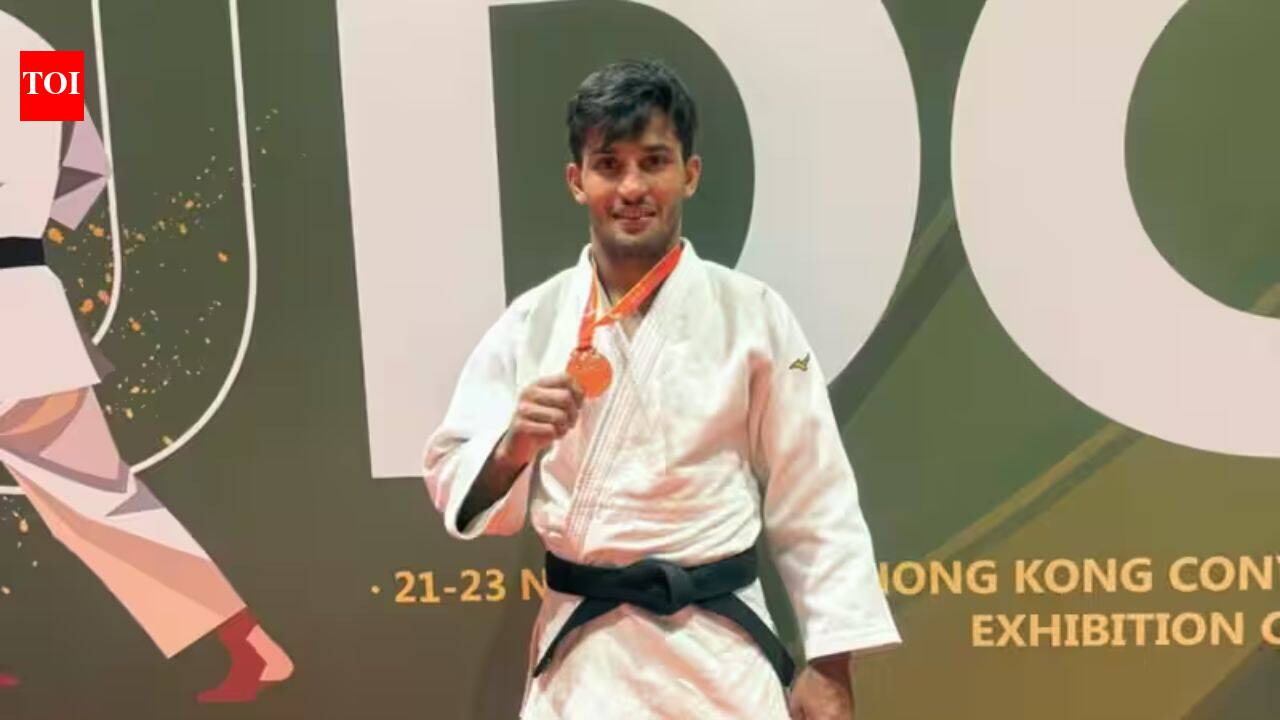
India's Commonwealth Games campaign faces early setbacks as judoka Arun Kumar and weightlifter Dilbagh Singh are withdrawn due to anti-doping rule violations. These removals shrink the Indian contingent and threaten the nation's projected medal tally in weightlifting.
India's Commonwealth Games Campaign Marred by Doping Violations
Early Setbacks in Glasgow
As the 2026 Commonwealth Games in Glasgow commence, the Indian sporting contingent has faced significant turbulence. The excitement surrounding the opening ceremony was dampened by the announcement that two prominent medal prospects—judoka Arun Kumar and weightlifter Dilbagh Singh—were withdrawn from competition following anti-doping rule violations. These developments serve as a sobering reminder of the persistent challenges regarding athlete compliance and the stringent oversight enforced by the National Anti-Doping Agency (NADA).
Impact on Judoka Arun Kumar
Arun Kumar, a rising star in the 73kg category, was ruled ineligible after an adverse analytical finding in an out-of-competition test conducted by NADA. Kumar had been viewed as a high-potential athlete, building momentum with a gold medal performance at the 2025 Taipei Asian Open and a bronze at the Hong Kong Asian Open. His removal not only halts his personal progression but also reduces the Indian athlete contingent from 125 to 124 participants, leaving a void that cannot be filled due to rigid competition replacement rules.
Weightlifting Concerns
Parallel to the judo controversy, the Indian weightlifting squad has also been sanctioned, leading to the withdrawal of Dilbagh Singh. Weightlifting has historically been a cornerstone of India's success at the Commonwealth Games, with the team projected to secure at least half-a-dozen medals. The reduction in the squad size directly jeopardizes these targets, as the depth of the team is compromised. The loss of a competitor like Singh creates a ripple effect that may impact the overall national medal standing.
Broader Implications for Indian Sports
These doping violations highlight a broader systemic issue concerning athlete education and the pressure to perform at international events. While the Inspire Institute of Sport and other training centers have fostered talent, the necessity for rigorous, consistent anti-doping protocols remains paramount. The failure to clear these tests suggests that despite progress in technical training, the administrative and biological discipline required at the elite level remains a hurdle for some athletes.
Future Trends and Conclusion
Moving forward, these events will likely force the Indian sports authorities to reconsider their internal vetting processes. The inability to replace these athletes underlines the importance of pre-competition clearance and the potential for long-term reputational damage. As the Glasgow Games progress, the focus will shift to how the remaining athletes manage the pressure of these early losses, while NADA will likely face increased scrutiny to refine its testing and educational outreach to prevent future occurrences.
Multiple Citing Sources