India's growth remains strong, but trade barriers threaten 2047 goal: WTO
Source Entity
TOI BUSINESS DESK
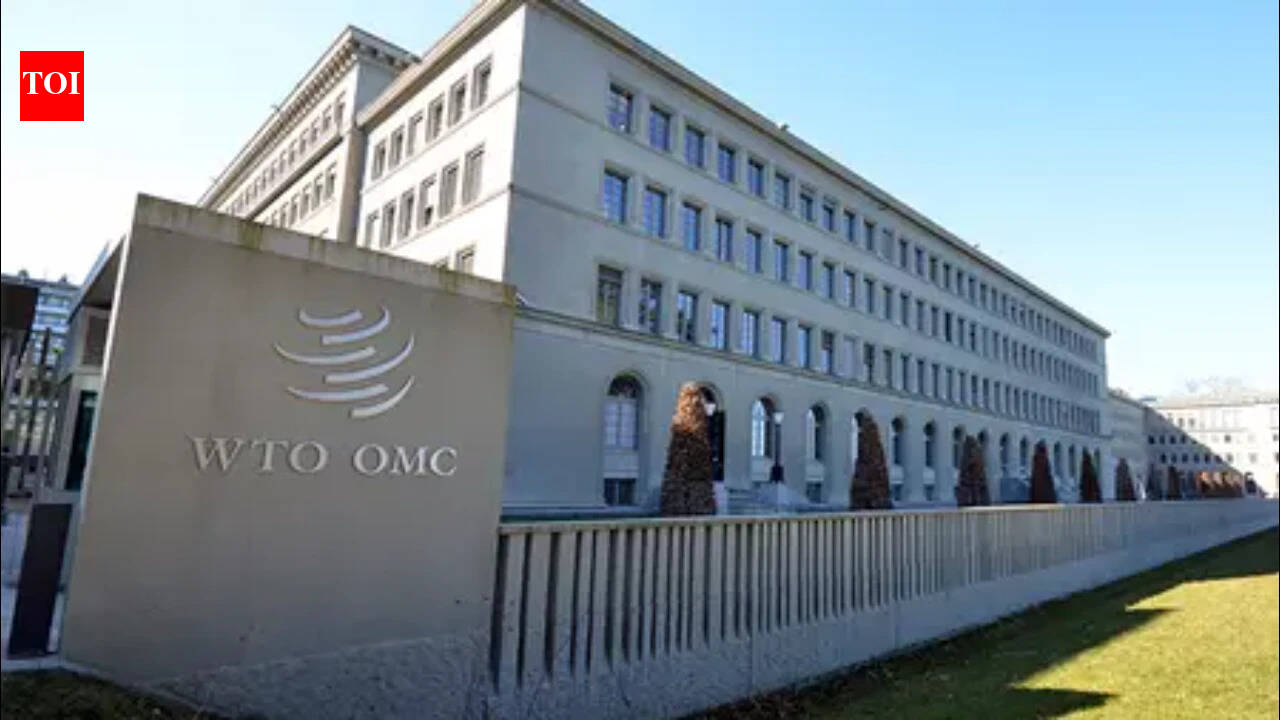
The WTO identifies India as the fastest-growing G20 economy but warns that structural reforms are essential to achieve developed nation status by 2047. Overcoming trade barriers and regulatory complexity remains critical for India to enhance global export competitiveness.
India's Economic Trajectory and the WTO Assessment
The World Trade Organization’s (WTO) latest Trade Policy Review (TPR) provides a rigorous assessment of India’s economic landscape, identifying it as the fastest-growing G20 economy. While this growth trajectory is a testament to the nation's resilience and domestic demand, the report serves as a critical diagnostic tool, highlighting that current momentum is insufficient to guarantee the transition to a developed nation by 2047. The WTO emphasizes that sustaining this expansion requires a shift from reliance on domestic consumption to a more robust, globally integrated export strategy.
Structural Challenges and Regulatory Barriers
At the core of the WTO’s findings are the persistent structural hurdles that impede India's full integration into global value chains. High trade costs—driven by logistics bottlenecks and regulatory complexity—act as a significant drag on competitiveness. Despite notable progress in trade facilitation and financial inclusion, the report underscores that India must streamline its bureaucratic processes. Addressing these infrastructure gaps is not merely a logistical necessity but a fundamental requirement for attracting the foreign direct investment (FDI) needed to scale domestic industries to global standards.
The Balancing Act: Self-Reliance vs. Global Openness
India’s current economic policy, often characterized by a push toward self-reliance, faces a delicate balancing act with the necessity for greater global openness. The WTO report suggests that achieving a larger share of global exports necessitates a proactive approach to trade liberalization. While India is actively pursuing various Free Trade Agreements (FTAs) to diversify its export markets, the efficacy of these agreements is often undermined by domestic protectionist measures. To realize its 2047 vision, India must harmonize its 'Make in India' ambitions with the competitive realities of a rules-based global trading system.
Mitigating Global Headwinds
Global economic headwinds present a persistent threat to India’s growth stability. The volatility in international markets, shifting geopolitical alliances, and supply chain reconfigurations necessitate a more agile trade policy. The WTO’s review highlights that while India has reiterated its support for a rules-based trade order, it must now translate this commitment into concrete domestic reforms. Strengthening the domestic business environment will serve as a buffer against external shocks, ensuring that the economy remains insulated from global downturns while remaining attractive to international partners.
Path to 2047: The Reform Imperative
Looking toward the 2047 goal, the path forward is contingent upon the depth and speed of structural reform. The WTO report acts as a roadmap, suggesting that India’s growth story is at a turning point. Moving beyond simple growth metrics, the focus must shift toward productivity enhancements and human capital development. By reducing trade barriers and fostering a more predictable regulatory environment, India can move from being a high-growth emerging market to a sophisticated, developed economy that plays a central role in the global trade architecture.
Conclusion
In summary, while India’s economic performance remains robust, the WTO’s analysis is a sobering reminder that structural transformation is unavoidable. The transition to a developed nation is not merely a function of time but of strategic policy implementation. By prioritizing the reduction of trade costs and embracing deeper global integration, India can effectively navigate the complexities of the modern global economy and secure its long-term development objectives.