Next on nation’s to-do list: More productive jobs
Source Entity
Tejasvi Surya
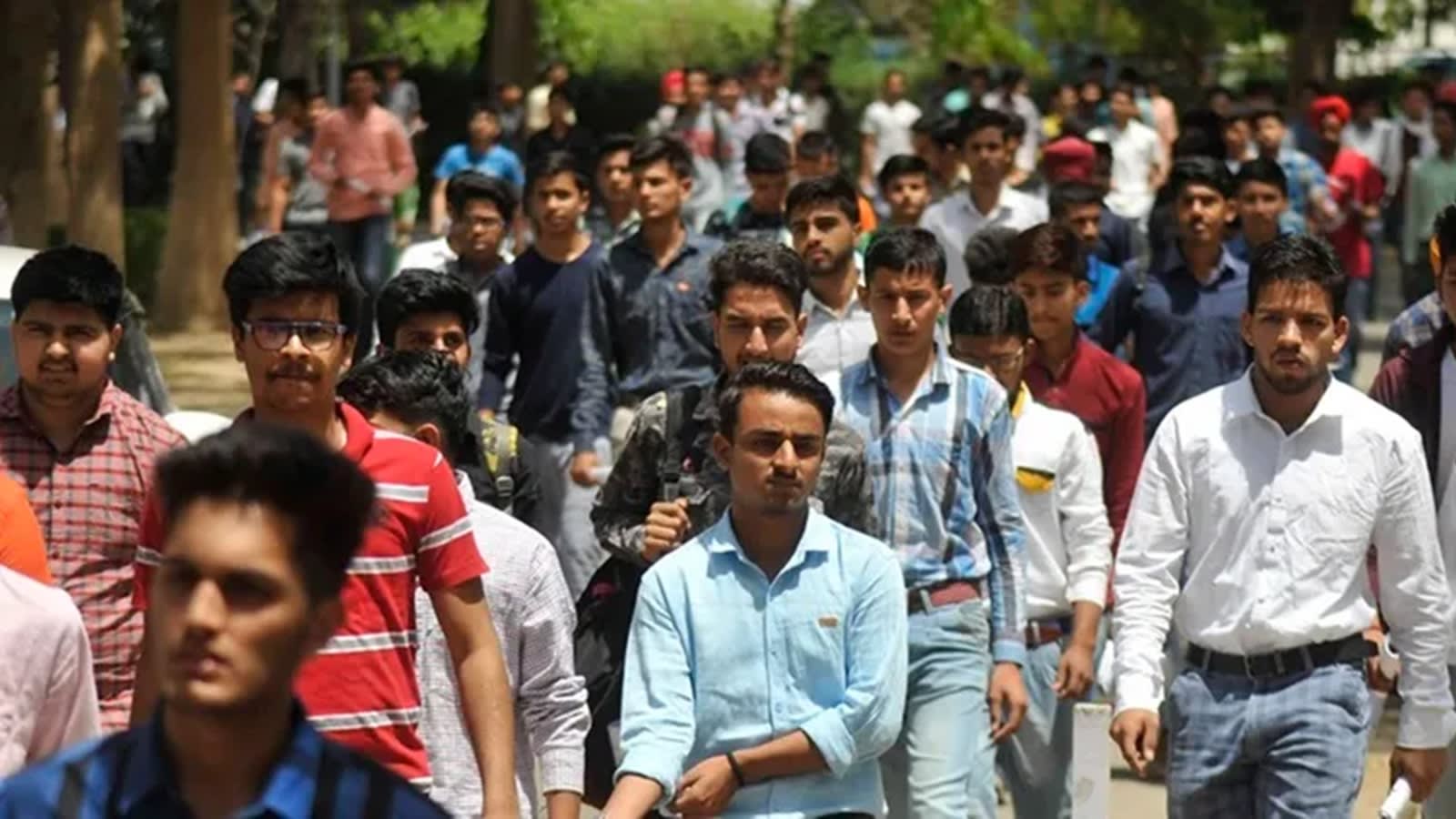
India's economic trajectory under the Narendra Modi administration seeks to balance engineering-led industrial growth with democratic oversight. This approach contrasts with Western reform models, focusing on long-term structural productivity.
India's Path to Industrial Maturity
Recent discourse, inspired by the book Breakneck, has prompted a re-examination of India’s national identity in the global economic landscape. While the United States is often categorized as a 'lawyerly society' and China as an 'engineering state,' India is carving out a unique middle ground. Over the past decade, the Indian government has attempted to merge the technical ambition of an engineering-focused development model with the complex, often friction-heavy, structure of a multiparty democracy.
The Modi Era: A Distinctive Reform Strategy
The administration of Prime Minister Narendra Modi represents a significant departure from traditional reform paradigms. Unlike the 'subtractive' reforms seen in the West—such as those led by Ronald Reagan or Margaret Thatcher, which largely focused on deregulation and shrinking the state—India's current path is additive. It involves building massive infrastructure, digitizing governance, and creating new industrial frameworks within a democracy that inherently demands consensus and legal transparency.
Challenges of the Engineering-Democracy Hybrid
Attempting to replicate the rapid industrialization of an authoritarian engineering state within a democratic framework poses unique challenges. The primary obstacle is the speed of implementation; democratic checks and balances, while vital for long-term stability and human rights, often slow down capital-intensive projects. However, the Indian approach attempts to leverage these very constraints to ensure that development is more sustainable and politically inclusive than it might be in a top-down, centralized system.
The Quest for Productive Employment
At the heart of the current national agenda is the transition toward more productive, high-value jobs. The shift requires moving beyond basic manufacturing and service-sector outsourcing toward a more robust industrial ecosystem. This necessitates a workforce that is not only skilled in engineering and technology but also supported by an infrastructure that allows for efficient, large-scale production, reflecting the country's aspiration to become a global manufacturing hub.
Global Implications and Future Trends
If India successfully navigates this path, it could provide a blueprint for other emerging economies seeking to modernize without compromising democratic values. The global economic order is watching closely to see if the 'engineering-democracy' model can produce the same level of productivity gains as its authoritarian counterparts. The success of this experiment will likely dictate India's influence in the coming decades, determining whether it can bridge the gap between its vast demographic potential and its economic reality.
Conclusion
In summary, India's current economic development is a high-stakes balancing act. By synthesizing the technical rigor of an engineering state with the deliberative processes of a democracy, the nation is attempting a rare feat of structural transformation. The focus on creating productive, sustainable jobs remains the ultimate benchmark for the success of this ambitious national project.