India’s green transition is missing long-duration energy storage
Source Entity
India Latest News: Top National Headlines Today & Breaking News | The Hindu
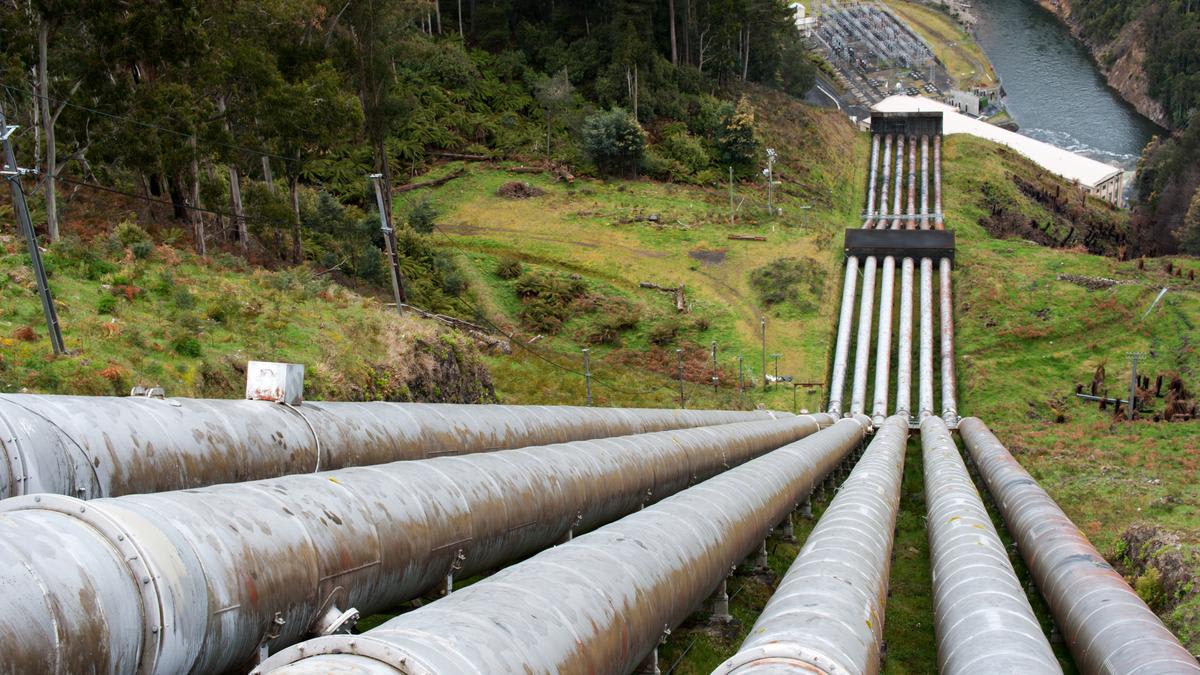
India's record peak power demand of 270.8 GW highlights a critical gap in long-duration energy storage. Current plans for battery and pumped hydro storage are insufficient for grid stability during prolonged nocturnal demand spikes.
India's Energy Storage Crisis: Bridging the Gap
India’s energy landscape reached a significant inflection point on May 21, when the nation recorded a staggering peak power demand of 270.8 gigawatts (GW). This figure represents a massive surge of approximately 90 GW compared to similar periods in 2019, illustrating the rapid acceleration of electricity consumption driven by economic growth and rising temperatures. As the nation grapples with this unprecedented demand, the limitations of current energy infrastructure, particularly regarding storage, have come into sharp focus.
The Challenge of Nocturnal Demand
While power generators have historically managed to stabilize the grid during daytime peaks, the shift in consumption patterns—largely due to the pervasive use of air conditioning—has created a secondary crisis at night. When solar generation drops to zero and wind patterns fluctuate, the grid relies heavily on thermal backups. To maintain grid reliability during these prolonged periods of low renewable output, India requires energy storage solutions that can discharge power over much longer durations than current technologies typically allow.
Economic Hurdles of Long-Duration Storage
The core economic challenge lies in the trade-off between discharge duration and cost. Technology economics dictate that while longer discharge times improve the utility of a storage system, the capital expenditure required to scale capacity rises exponentially. Current industry standards suggest that for discharge durations exceeding six hours, short-duration storage systems—such as standard lithium-ion batteries—are likely to become cost-prohibitive, necessitating a shift toward alternative storage architectures.
Evaluating the 2035-36 Roadmap
The government’s 2026 Long-Term National Resource Adequacy Plan serves as the primary policy framework for addressing these needs. It targets the deployment of 80 GW of battery energy storage systems (BESS) and 94 GW of pumped hydroelectric energy storage (PHES) by fiscal year 2035-36. However, analysts note that these targets translate to average discharge durations of only 4 to 6 hours. This timeframe is largely insufficient for the multi-hour, overnight balancing required to offset the intermittency of solar and wind power.
Strategic Implications for Grid Stability
The mismatch between current storage plans and the actual requirements for a decarbonized grid presents a significant risk to India's green transition. Without a strategic pivot toward long-duration energy storage (LDES)—technologies capable of discharging for 8 to 24 hours or more—the grid remains vulnerable. Future policy must evolve to incentivize the development of LDES to ensure that India’s ambitious climate goals do not compromise the essential reliability of its national power supply.
Verification Required?