India’s move against Jack Dorsey’s Bitchat sparks legal debate
Source Entity
Jagmeet Singh
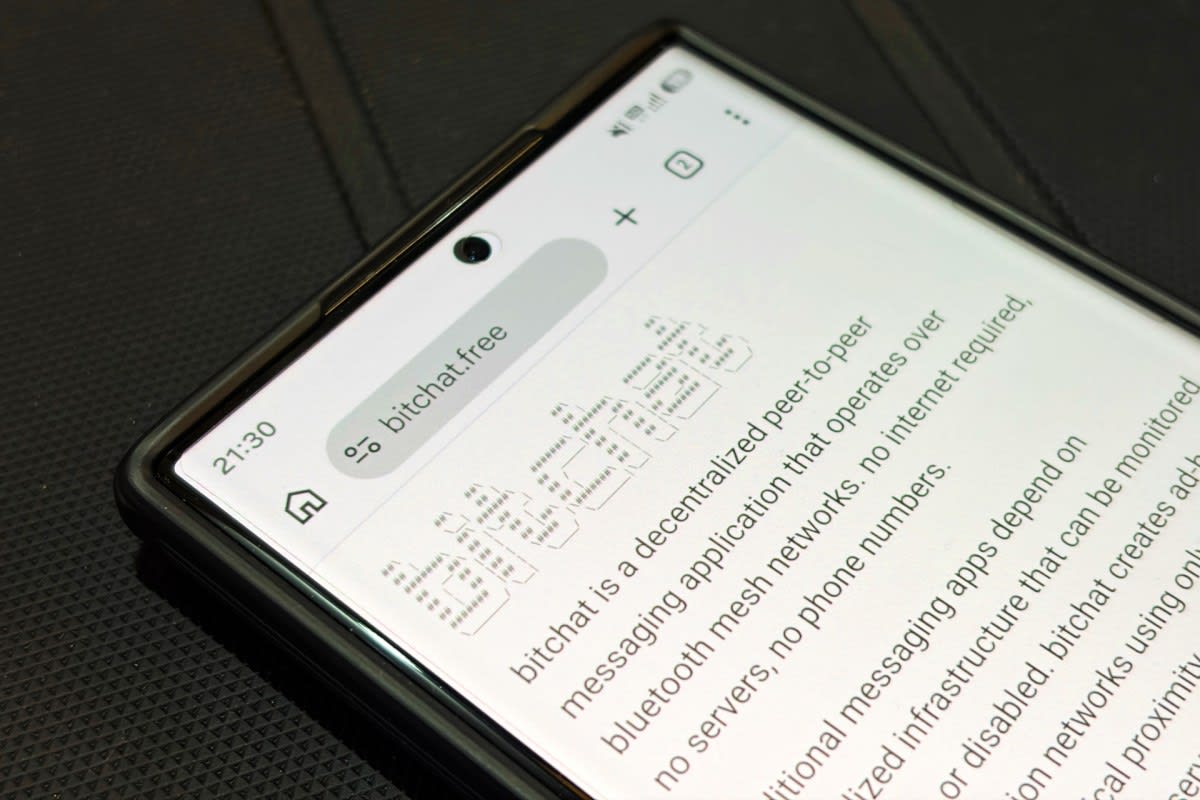
The Indian government has ordered GitHub to remove Jack Dorsey’s BitChat app, citing national security risks regarding anonymous, offline communication. Digital rights groups argue the move is unconstitutional and threatens open-source innovation.
The Crackdown on BitChat: Security vs. Digital Rights
The Government’s Rationale for Removal
The Indian government, through its cybercrime coordination center, has initiated a move to block the messaging application 'BitChat' by directing Microsoft-owned GitHub to remove its repositories. This action is rooted in significant security concerns regarding the application's core functionality: anonymous, offline, Bluetooth-based messaging. Officials argue that because the app operates without mandatory user registration, phone verification, or centralized message logging, it poses a severe threat by potentially enabling terrorists and criminal organizations to coordinate activities while evading lawful state surveillance.
Contextualizing the Protest Connection
This regulatory intervention follows the observation of protestors utilizing similar offline messaging technologies during recent unrest in New Delhi, specifically involving the Cockroach Janta Party (CJP) at Jantar Mantar. The government perceives the decentralized nature of BitChat as a tool that allows users to bypass internet shutdowns and maintain communication channels that the state cannot monitor. By targeting the source code hosted on GitHub, the Ministry of Home Affairs is attempting to curb the proliferation of tools that circumvent traditional telecommunications infrastructure.
Legal and Constitutional Challenges
The directive has sparked an immediate outcry from digital rights advocates, most notably the Internet Freedom Foundation (IFF). The IFF has labeled the order 'unconstitutional,' arguing that the government has exceeded its legal authority under the Information Technology Act. Their contention is that by targeting open-source software repositories, the state is infringing upon free speech and stifling the development of secure communication tools. This creates a significant legal debate regarding the extent to which a government can regulate code simply because of its potential for misuse.
The Future of Open-Source and Surveillance
This case highlights the growing tension between decentralized technology and state sovereignty. Jack Dorsey’s involvement in the development of BitChat adds a layer of high-profile scrutiny to the situation. As global authorities grapple with the reality of 'mesh networking' and offline messaging apps, we can expect future trends to involve increased pressure on platforms like GitHub to police the content they host. This sets a precarious precedent for open-source developers who create tools that can be used for both legitimate privacy and illicit coordination.
Conclusion: A Balancing Act
Ultimately, the situation surrounding BitChat reflects the broader struggle of modern governance in the digital age. While the state maintains that its actions are necessary to prevent unlawful activities and ensure public order during times of protest, the digital rights community emphasizes the importance of maintaining an open internet. The outcome of this dispute will likely influence how India approaches the regulation of decentralized software and whether the government's current interpretation of the IT Act will hold up under judicial scrutiny.
Multiple Citing Sources