Roku raises streaming stick prices by up to 60 percent
Source Entity
Scharon Harding
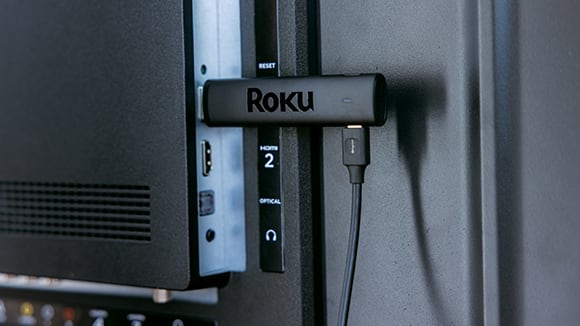
Roku has implemented significant price increases across its entire streaming hardware lineup, citing global memory shortages as the primary driver. These hikes affect various models, with some retail prices rising by as much as 60 percent.
Roku Adjusts Hardware Pricing Strategy Amid Supply Chain Pressures
The Scope of the Price Increase
In a significant shift for the consumer electronics market, Roku has officially raised the MSRPs across its entire portfolio of streaming hardware. The price adjustments are substantial, with entry-level devices like the HD Streaming Stick jumping from $29.99 to $39.99. Higher-end models, such as the Roku Ultra and the Streambar SE, have seen even steeper increases, rising from $100 to $150. These changes represent a broad-based inflation of hardware costs, affecting nearly every tier of the company’s product ecosystem.
The Role of Global Memory Shortages
According to statements provided by Roku executives to industry reporters, the primary catalyst for these price hikes is an ongoing global memory shortage. As streaming devices become more sophisticated, requiring higher-density RAM to handle 4K streaming and complex user interfaces, the cost of these components has fluctuated significantly. This supply chain bottleneck has forced the company to pass increased manufacturing costs directly to the consumer to protect its hardware margins.
Contradictory Narratives and Market Context
Interestingly, the justification of a "memory shortage" stands in contrast to previous comments from Roku’s leadership. Earlier in the year, the CEO characterized the supply chain situation as "great" for the business, suggesting the company was initially able to navigate disruptions better than its competitors. This pivot underscores the volatility of the tech sector, where conditions can shift rapidly from manageable to critical, ultimately impacting the accessibility of budget-friendly streaming hardware.
Strategic Marketing and Consumer Impact
To soften the blow of these price hikes, Roku has implemented a marketing strategy that frames the new, higher MSRPs as the base price, while continuing to offer the devices at temporary "sale" prices. This approach allows the company to maintain a psychological price point for consumers while effectively raising the floor of their hardware revenue. For example, the bundle including the Streaming Stick Plus and a subscription to Fox One has seen a marked shift in both its base MSRP and its promotional price point compared to earlier in the summer.
Broader Implications for the Streaming Wars
These price increases occur against a backdrop of intense competition in the streaming space. Roku, which has long relied on hardware as an entry point for its platform-based advertising model, is now testing the price sensitivity of its user base. As the hardware becomes more expensive, Roku faces the challenge of maintaining its market share against competitors who may not be subject to the same supply chain constraints or who may be willing to subsidize hardware costs to capture user data and ad revenue.
Future Trends and Conclusion
Looking forward, the tech industry is likely to see continued volatility in hardware pricing as companies grapple with the dual pressures of component shortages and rising logistics costs. Roku’s decision to move toward higher price points suggests a shift in focus toward profitability over rapid user acquisition through cheap, loss-leading hardware. While the current "sale" pricing offers a temporary reprieve, consumers should anticipate that the era of ultra-low-cost streaming sticks may be entering a period of significant recalibration.
Multiple Citing Sources