'Comprehensive sex education' coming soon to schools, govt tells Supreme Court
Source Entity
TNN
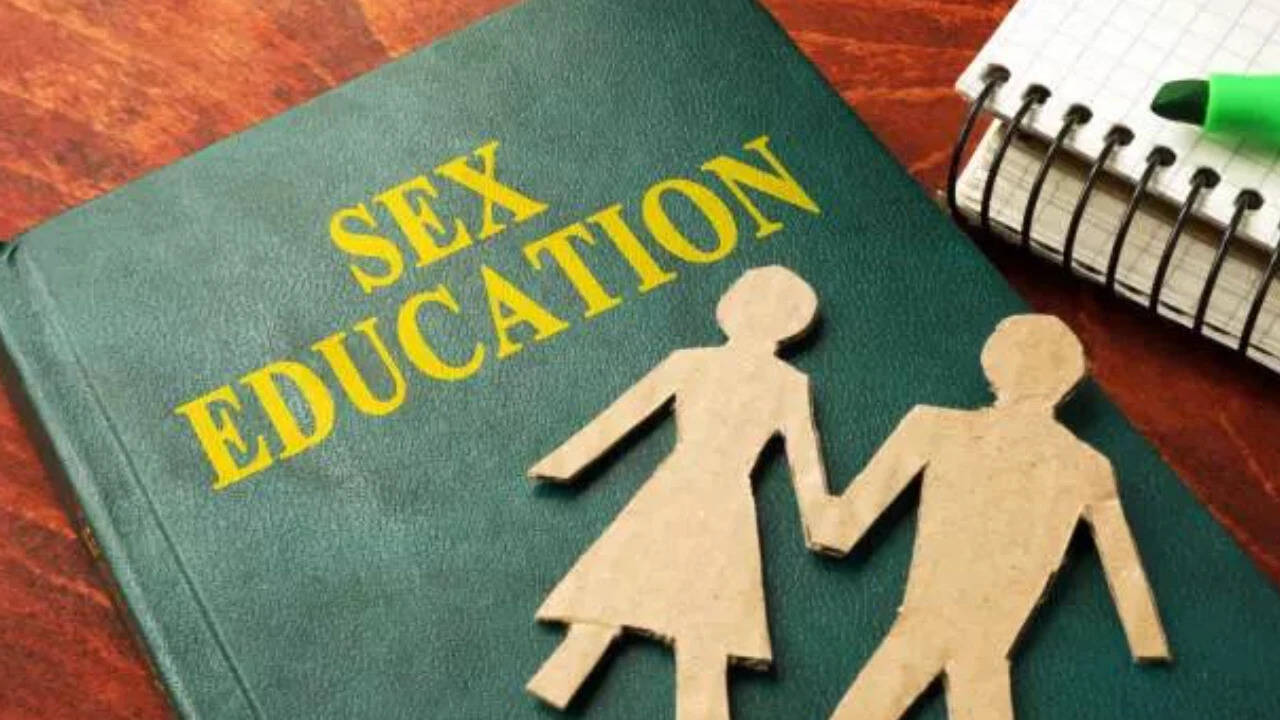
India will formally introduce comprehensive sex education in schools and colleges nationwide. The government has accepted a committee's report recommending this significant curriculum change. This move aims to address concerns regarding adolescent pregnancies and criminalization under the Pocso Act. Subjects like child sexual abuse and safety will be integrated from foundational stages. The National Council of Educational Research and Training will develop the new curriculum.
A Paradigm Shift in Indian Pedagogy: The Introduction of Comprehensive Sex Education
In a landmark move towards modernizing the national educational framework, the Indian government has formally committed to the Supreme Court that comprehensive sex education (CSE) will be integrated into schools and colleges across the country. This decision, stemming from the acceptance of a specialized committee's recommendations, represents a significant departure from the traditionally conservative approach to reproductive health and safety in Indian classrooms. By moving toward a standardized, nationwide curriculum, the government acknowledges that silence on these issues is no longer a viable strategy for protecting the youth.
Addressing the Legal and Protective Framework
One of the primary drivers behind this initiative is the critical need to align educational awareness with the legal protections afforded by the Protection of Children from Sexual Offences (POCSO) Act. For too long, there has been a gap between the law's existence and the children's understanding of their own bodily autonomy and rights. By integrating subjects like child sexual abuse and safety from the foundational stages, the government aims to empower children to identify, resist, and report abuse. This proactive approach is expected to reduce the vulnerability of minors and potentially streamline the legal process by ensuring that victims can articulate their experiences more accurately and promptly.
Combating Public Health Challenges
Beyond the legal implications, the move is a strategic response to pressing public health concerns, most notably the prevalence of adolescent pregnancies. In many parts of India, a lack of scientifically accurate information regarding reproductive health leads to risky behaviors and unplanned pregnancies among teenagers, which often result in severe health complications or the discontinuation of their education. By providing comprehensive sex education, the state intends to equip students with the knowledge necessary to make informed decisions, thereby reducing the incidence of early pregnancies and improving the overall health outcomes for adolescent girls and boys.
The Role of NCERT and Curriculum Design
The National Council of Educational Research and Training (NCERT) has been tasked with the monumental challenge of developing this curriculum. The complexity lies in creating a tiered system that is age-appropriate, culturally sensitive, yet scientifically rigorous. Implementing CSE from 'foundational stages' implies that the curriculum will not simply be a biology lesson in high school, but a progressive introduction to boundaries, consent, and hygiene starting in early childhood. The NCERT's role will be pivotal in ensuring that the content is standardized across diverse linguistic and regional boundaries, preventing the fragmentation of information that often occurs in decentralized educational systems.
Navigating Sociocultural Sensitivities
Despite the clear benefits, the rollout of comprehensive sex education in India is likely to face significant sociocultural headwinds. In a society where discussions regarding sexuality are often relegated to the private sphere or shrouded in taboo, the formalization of these topics in schools may encounter resistance from conservative parental groups. However, the government's decision to announce this via the Supreme Court provides a layer of legal legitimacy and urgency that may help override local hesitations. The success of this initiative will depend heavily on how well the government communicates the 'safety' and 'health' aspects of the curriculum rather than just the 'sexual' components.
Future Outlook and Implementation Hurdles
Looking ahead, the primary challenge will transition from policy design to classroom execution. The effectiveness of CSE depends less on the textbook and more on the teacher's ability to deliver the content without bias or discomfort. This suggests a future need for massive teacher-training programs to ensure educators are equipped to handle sensitive questions. If implemented successfully, India could see a long-term decline in child abuse cases and a marked improvement in youth health literacy. This move signals a transition toward a more transparent and protective environment for students, aligning India with global educational standards for adolescent well-being.
Summary
In summary, the government's commitment to the Supreme Court to introduce comprehensive sex education is a multifaceted strategy targeting legal protection, public health, and social awareness. By leveraging the NCERT to build a foundational-to-advanced curriculum, India is attempting to break a long-standing cycle of ignorance regarding reproductive health and personal safety. While cultural challenges remain, the integration of POCSO-related awareness and pregnancy prevention into the national syllabus marks a critical step toward safeguarding the next generation.