‘Ready to roll out sex education in schools’: Centre tells Supreme Court
Source Entity
The Indian Express
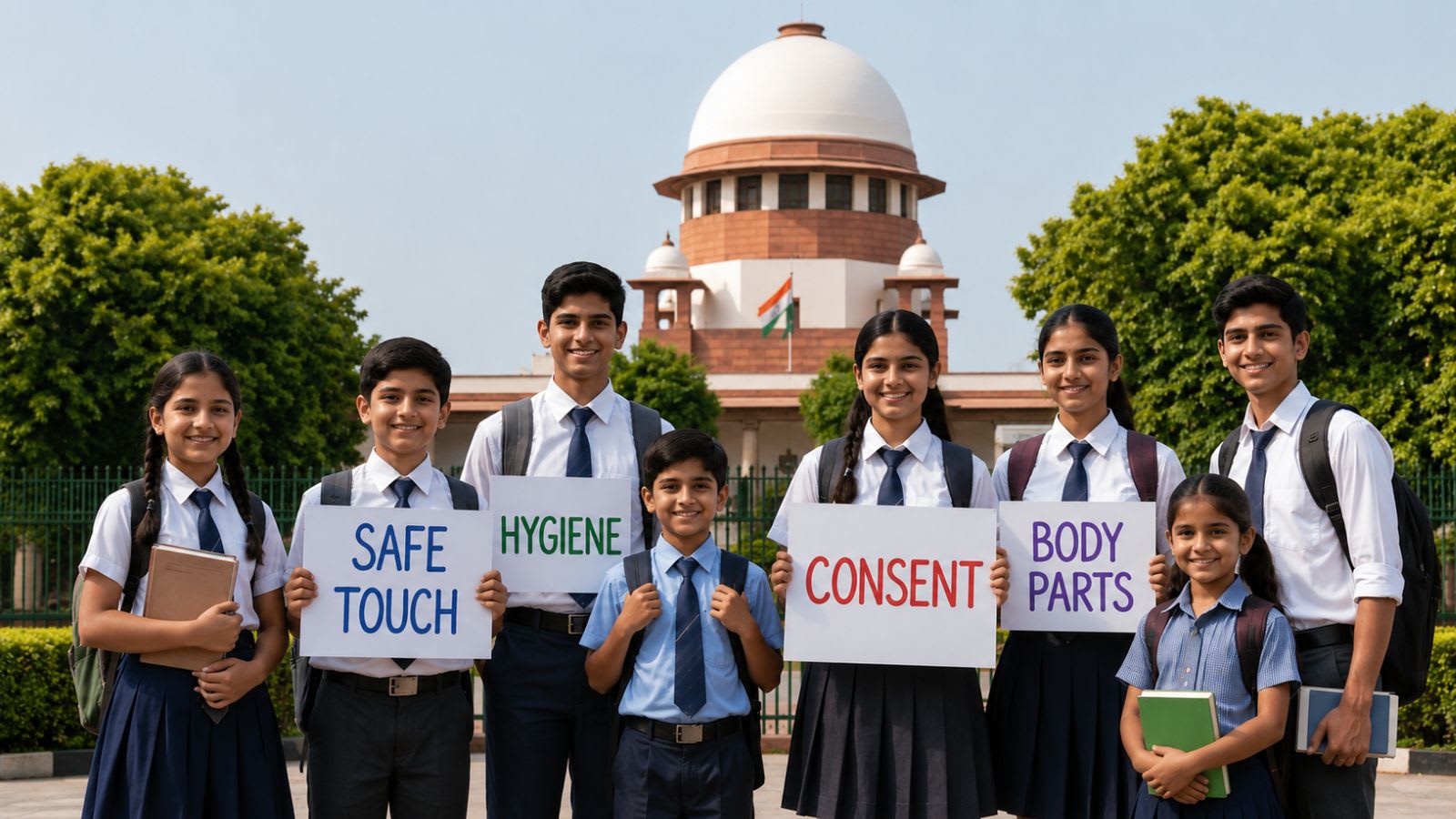
The Indian Central Government has informed the Supreme Court that it is preparing to implement comprehensive sex education (CSE) across schools and colleges nationwide to promote health, safety, and awareness among youth.
A Paradigm Shift in Indian Pedagogy: The Introduction of Comprehensive Sex Education
In a landmark development for the Indian education system, the Central Government has formally informed the Supreme Court of its readiness to implement 'comprehensive sex education' (CSE) across schools and colleges. This announcement marks a pivotal transition from a traditionally conservative approach to reproductive health toward a more scientific and holistic framework. By acknowledging the necessity of this curriculum, the government is addressing a long-standing gap in the national education strategy, moving toward a model that prioritizes student wellbeing and informed decision-making.
Legal Impetus and Judicial Oversight
The government's decision is not an isolated policy shift but is deeply intertwined with judicial oversight. The Supreme Court of India has frequently been the catalyst for social reform, and this specific directive stems from a recognition that access to accurate information regarding sexual health is a fundamental component of the right to health and dignity. By bringing this matter before the court, advocates have highlighted the dangers of misinformation and the critical need for a standardized, age-appropriate curriculum that protects students from exploitation and health risks.
Defining the Scope of Comprehensive Sex Education
Unlike traditional 'sex education,' which often focuses narrowly on biological reproduction and anatomy, Comprehensive Sex Education (CSE) encompasses a broader spectrum of human development. This includes discussions on consent, personal boundaries, gender identity, and the prevention of sexually transmitted infections (STIs) and HIV/AIDS. By integrating these topics, the government aims to equip students with the emotional and social intelligence required to navigate interpersonal relationships safely and respectfully, thereby fostering a culture of mutual respect and bodily autonomy.
Navigating Cultural Taboos and Societal Resistance
Despite the scientific necessity, the rollout of CSE in India faces significant cultural headwinds. In many parts of the country, discussions regarding sexuality remain deeply taboo, often viewed through a lens of morality rather than public health. The government must navigate a complex landscape of parental concerns and conservative societal norms. However, the shift toward a formal curriculum is intended to replace unreliable sources of information—such as unregulated internet content—with evidence-based guidance provided by trained educators in a safe environment.
Impact on Student Safety and Abuse Prevention
One of the most critical implications of this initiative is its potential to curb child sexual abuse. By teaching children about 'good touch' and 'bad touch' and empowering them with the language to report discomfort or abuse, CSE serves as a primary prevention tool. This aligns with the objectives of the Protection of Children from Sexual Offences (POCSO) Act, as an informed student population is more likely to identify grooming behaviors and seek help from trusted adults, thereby creating a stronger safety net for minors across the country.
Implementation Challenges and Future Outlook
Looking forward, the success of this rollout will depend on two main factors: teacher training and curriculum standardization. Because education is a concurrent subject in India, the Central Government must coordinate closely with state governments to ensure uniformity in delivery. There is a pressing need for specialized training for educators to ensure they can handle sensitive topics without bias or discomfort. If implemented effectively, this move is predicted to lead to a significant decline in teenage pregnancies and a marked improvement in the overall public health metrics related to reproductive wellness over the next decade.
Summary
The Central Government's commitment to introducing comprehensive sex education in schools and colleges represents a bold step toward modernizing India's approach to youth health. By anchoring this transition in a legal framework via the Supreme Court, the state is prioritizing scientific literacy and student safety over traditional taboos, potentially safeguarding millions of students from health risks and abuse.