Can green steel become the next industrial policy success
Source Entity
Latest News: Todays Latest News Headlines from India & World | Hindustan Times
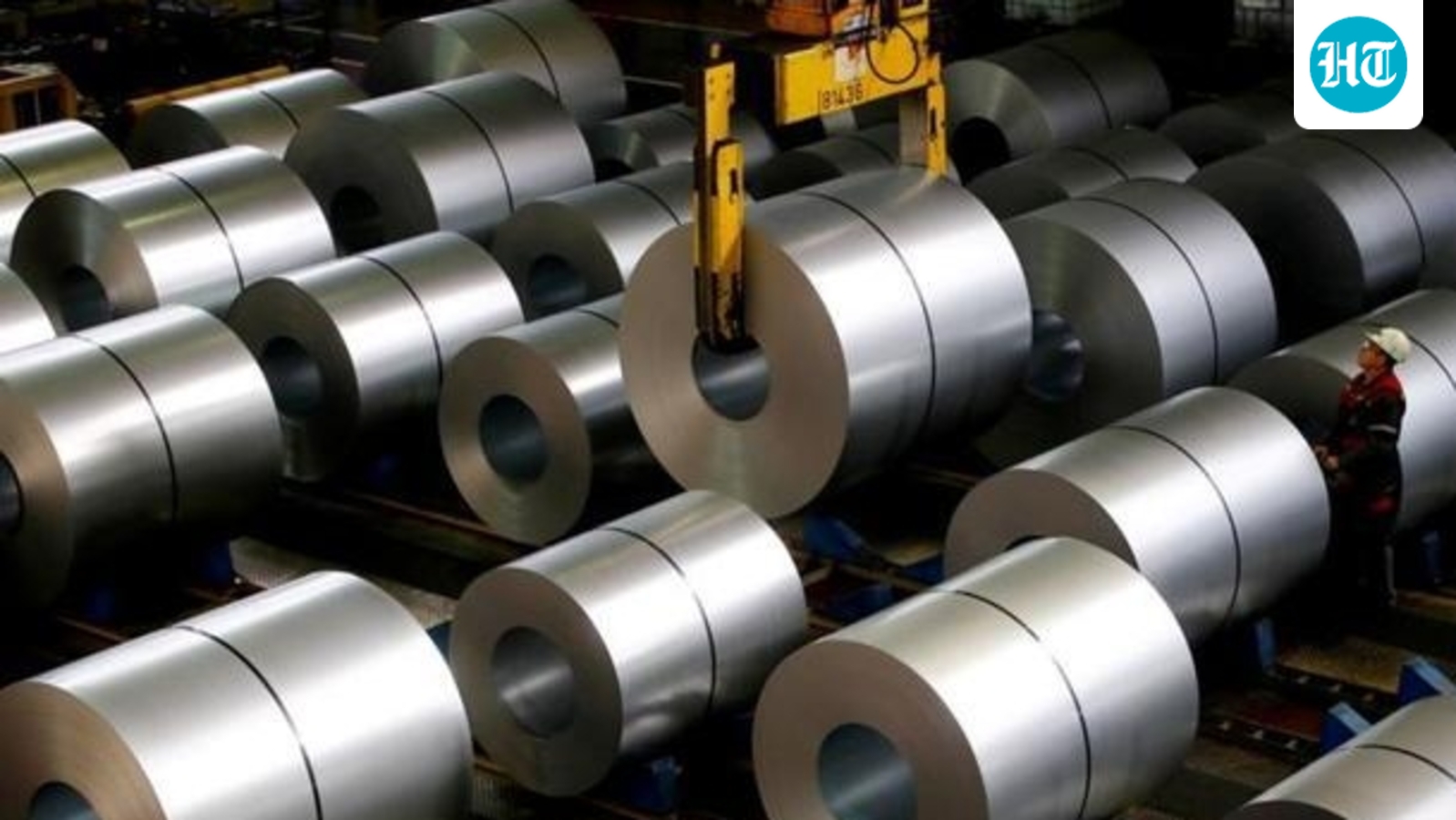
India's steel industry faces a critical challenge to scale production to 300 million tons by 2030 while transitioning away from carbon-intensive coal dependency. Balancing infrastructure growth with green technology adoption remains a significant hurdle for the nation's industrial policy.
The Green Steel Dilemma: India’s Industrial Crossroads
India’s steel sector is currently navigating a precarious path between aggressive industrial expansion and the urgent necessity of decarbonization. As the country urbanizes and builds out its infrastructure at a record pace, the demand for steel has surged, with production reaching 149 million tons in 2024. However, this growth is heavily tethered to traditional blast furnace methods that rely on imported coking coal, creating a structural dependency that threatens both environmental sustainability and economic resilience.
The Challenge of Scaling Production
The Indian government has set an ambitious target to double crude steel production to 300 million tons by the 2030-31 fiscal year. While this expansion is essential to support the nation's manufacturing ambitions and infrastructure development, the reliance on carbon-intensive production methods poses a long-term risk. By continuing to prioritize traditional blast furnaces, India risks 'locking in' high-carbon infrastructure that could become a liability as global markets and international trade regulations increasingly penalize high-emission products.
Economic Vulnerabilities and Commodity Markets
Beyond environmental concerns, the current model exposes India to the volatility of global commodity markets. Dependence on imported coking coal leaves the domestic industry vulnerable to price shocks, supply chain disruptions, and geopolitical instability. Transitioning to green steel is not merely an environmental goal; it is a strategic economic imperative to insulate the domestic economy from the unpredictable costs of fossil fuel imports.
The Hard Reality of Transition
The transition to green steel—which involves technologies like green hydrogen or carbon capture—is fraught with difficulty. The sheer scale of the 300-million-ton target suggests that a significant portion of this capacity will still be rooted in legacy production methods. This creates a 'carbon trap,' where the infrastructure built today will dictate the emissions profile of the industry for decades to come, making it increasingly difficult to meet future climate commitments.
Policy Implications and Future Outlook
For green steel to become a success story in India's industrial policy, the government must incentivize a shift toward cleaner technologies early in the investment cycle. If the country fails to decouple its industrial output from coal, it may face future barriers in international trade, particularly as regions like the European Union implement carbon border adjustment mechanisms. The path forward requires a delicate balance: satisfying the immediate hunger for development while laying the groundwork for a sustainable, low-carbon industrial future.
Conclusion
In summary, India stands at a pivotal juncture where the decisions made today regarding steel production will define its industrial legacy for the next half-century. While the target of 300 million tons by 2030 is achievable through traditional means, the long-term cost of doing so without integrating green technology is substantial. Policymakers must now prioritize innovation and capital allocation toward sustainable methods to ensure that India’s industrial rise does not come at the expense of its climate goals.
Verification Required?