310 km long Nagpur–Warangal-Vijayawada highway to be completed by December 2027: Komatireddy
Source Entity
India Latest News: Top National Headlines Today & Breaking News | The Hindu
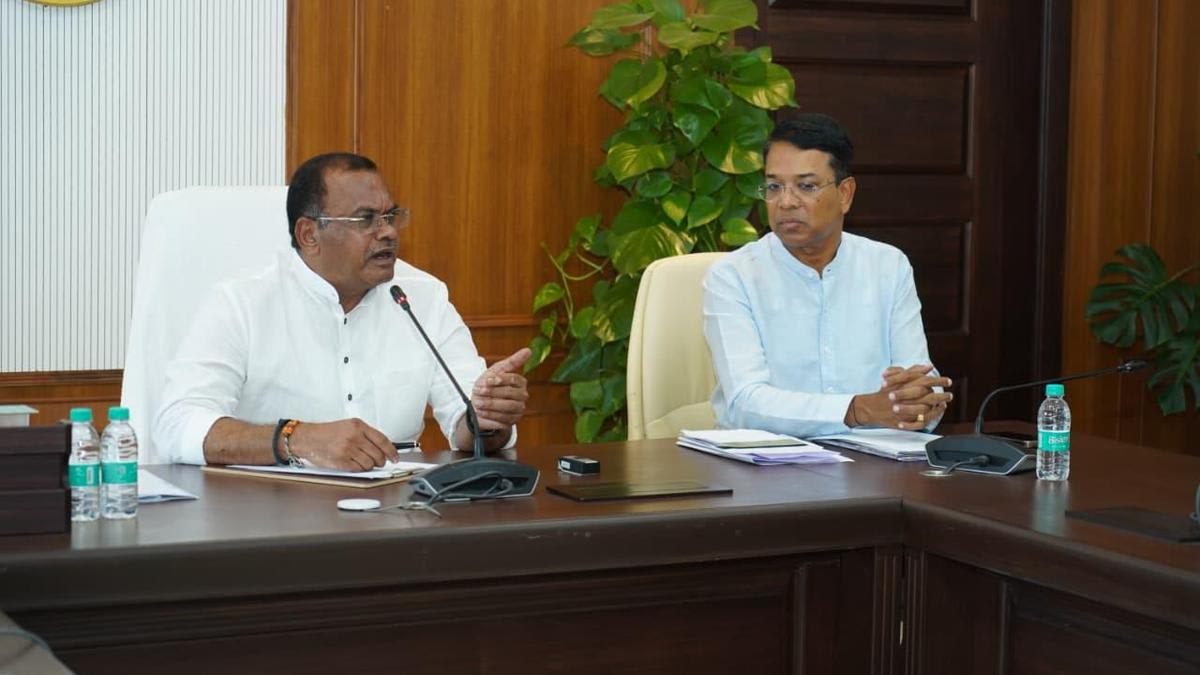
Union Minister Nitin Gadkari announced that all national highway toll booths will be barrier-free by March 2027, potentially boosting revenue by ₹25,000 crore annually. Simultaneously, Telangana Minister Komatireddy Venkat Reddy confirmed the 310-km Nagpur–Vijayawada greenfield highway is on track for completion by December 2027.
India's Infrastructure Transformation: Digital Efficiency and Connectivity
India is currently undergoing a significant shift in its infrastructure landscape, characterized by a dual focus on technological integration and expansive physical connectivity. Recent announcements from both federal and state-level leadership underscore a concerted effort to modernize transport networks by 2027, aiming to improve both administrative efficiency and regional economic integration.
The Digital Leap: Barrier-Free Toll Systems
Union Minister for Road Transport and Highways Nitin Gadkari recently highlighted the success and future trajectory of the FASTag electronic toll collection system. During the Global Fintech Fest in Mumbai, the Minister revealed that the transition to fully barrier-free toll booths on national highways is slated for completion by March 2027. This digital-first approach is projected to yield significant fiscal rewards, with the government expecting an annual revenue increase of ₹20,000 to ₹25,000 crore. By eliminating physical barriers, the system not only streamlines traffic flow but also minimizes revenue leakage, building upon the substantial growth in toll income that has already surged from ₹7,000 crore to over ₹82,000 crore due to previous FASTag implementations.
Strategic Connectivity: The Nagpur–Vijayawada Greenfield Highway
Complementing the national digital initiative, regional infrastructure is receiving a massive boost through the development of the Nagpur–Mancherial–Warangal–Khammam–Vijayawada greenfield highway. Telangana Roads and Buildings Minister Komatireddy Venkat Reddy confirmed that this 310-km project is expected to be completed by December 31, 2027. With approximately 280 km of the route situated within Telangana, the project serves as a vital artery for the state, connecting numerous districts and enhancing logistical efficiency across the region.
Addressing Local Needs and Land Acquisition
Infrastructure development often faces challenges regarding land acquisition and local accessibility. Minister Venkat Reddy reported that most land acquisition hurdles for the Nagpur–Vijayawada project have been resolved, clearing the path for construction. Furthermore, the state government is proactively addressing local demands, such as the provision of a highway exit near Parkal. By directing the National Highways Authority of India (NHAI) to incorporate such exits, the government is balancing high-speed national connectivity with the socio-economic requirements of local residents.
Broader Implications and Economic Forecast
These developments signify a broader trend toward 'intelligent' infrastructure. The integration of barrier-free tolling is not merely a technological upgrade but a fundamental change in how the Indian government manages public assets. By reducing wait times and improving transparency, the government aims to lower the cost of logistics—a critical factor in India's goal to become a global manufacturing hub. The synergy between digital tolling and the expansion of greenfield highways suggests a long-term strategy designed to reduce travel times and fuel consumption, ultimately contributing to a lower carbon footprint and higher economic productivity.
Conclusion: A Roadmap to 2027
The dual commitments of nationwide barrier-free tolling and the completion of major greenfield corridors by 2027 reflect a coherent vision for India's transport sector. While the financial benefits of the FASTag system are clear, the successful delivery of complex projects like the Nagpur–Vijayawada highway will depend on the continued resolution of local logistical issues and sustained coordination between state and central authorities. As these projects move toward completion, they are poised to drastically reshape the mobility landscape for millions of citizens.
Verification Required?