‘Returned with hope…’: After threats, Kashmiri Pandit staffers write to Amit Shah
Source Entity
Bashaarat Masood
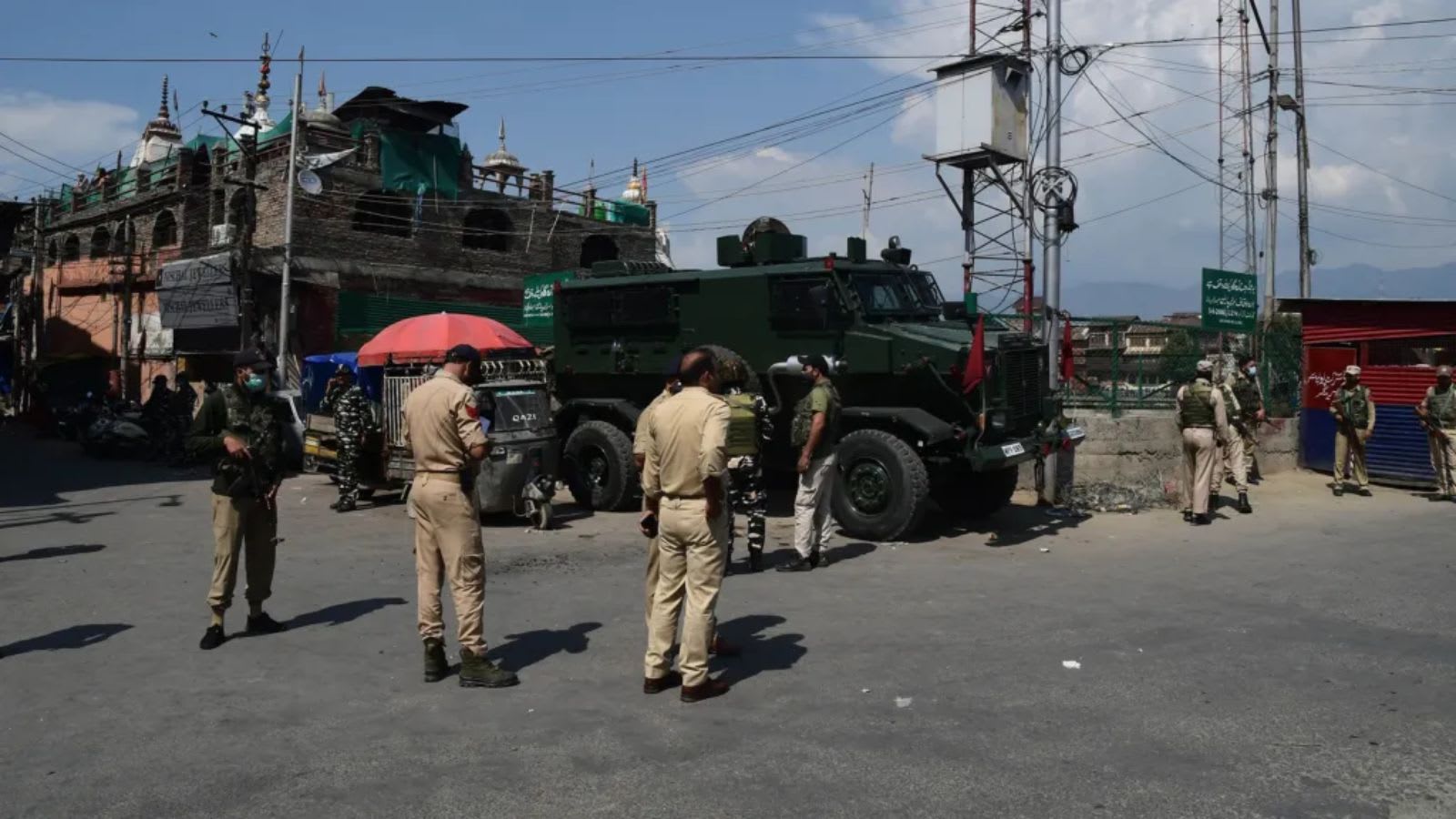
Kashmiri Pandit employees in the Valley have written to Home Minister Amit Shah seeking urgent intervention regarding their safety and property rights. The move follows a series of recent threat letters targeting the community, fueling an atmosphere of uncertainty.
The Plight of Returning Kashmiri Pandits: A Call for Security and Rights
The Current Crisis of Uncertainty
Kashmiri Pandit employees currently working in the Kashmir Valley have officially petitioned Union Home Minister Amit Shah to address the deteriorating climate of fear surrounding their community. The core of their grievance centers on an "atmosphere of uncertainty" that has stifled their efforts to rebuild lives and careers in their homeland. Despite their return with hope, the employees emphasize that the process of social rehabilitation and genuine local acceptance has stalled, leaving many in a state of professional and personal vulnerability.
The Impact of Targeted Threats
This plea follows a disturbing series of threat letters issued against the community over the last two months. These communications have moved beyond vague intimidation, often including specific details such as the addresses and phone numbers of migrant Kashmiri Pandit staffers. This escalation represents a direct challenge to the safety of those participating in government-led resettlement initiatives, effectively weaponizing personal information to instill terror and force a secondary displacement of the workforce.
Demands for Transparency and Legal Protection
Beyond physical security, the letter highlights the urgent need for a robust framework to handle "legitimate property rights and grievances." The petitioners argue that for any return to be sustainable, the mechanisms for addressing property disputes must be transparent and legally sound. Without such protections, the long-term viability of the community's presence in the Valley remains precarious, as they lack the institutional confidence that their assets and claims will be upheld against encroaching pressures.
The Necessity of State Intervention
Given the gravity of the threats, the employees have formally demanded a thorough investigation into the origin and intent of the intimidatory letters. The reliance on the Union Home Minister underscores the belief that local security measures have been insufficient to mitigate the risks. By elevating their concerns to the federal level, the community is seeking a broader policy shift that prioritizes the protection of minority rights as a cornerstone of the region's stability.
Historical Context and Future Implications
For the Kashmiri Pandit community, this situation is deeply rooted in the historical trauma of the 1990s, which saw mass displacement. The current attempt at reintegration is a litmus test for the government's long-term policy goals in the Union Territory. If the state cannot provide a secure environment where civil servants can perform their duties without fear, the broader objective of achieving normalcy and social harmony will likely face significant, if not insurmountable, hurdles in the coming years.
Conclusion: A Path Toward Stability
The request sent to Amit Shah is more than an administrative grievance; it is a plea for the fundamental right to live and work with dignity. Whether the government can effectively neutralize these security threats and codify property protections will determine the future of the Kashmiri Pandit presence in the Valley and, by extension, the success of the current administration's regional integration strategy.