With India as host, here are better goals for BRICS than ‘confronting the West’
Source Entity
The Indian Express
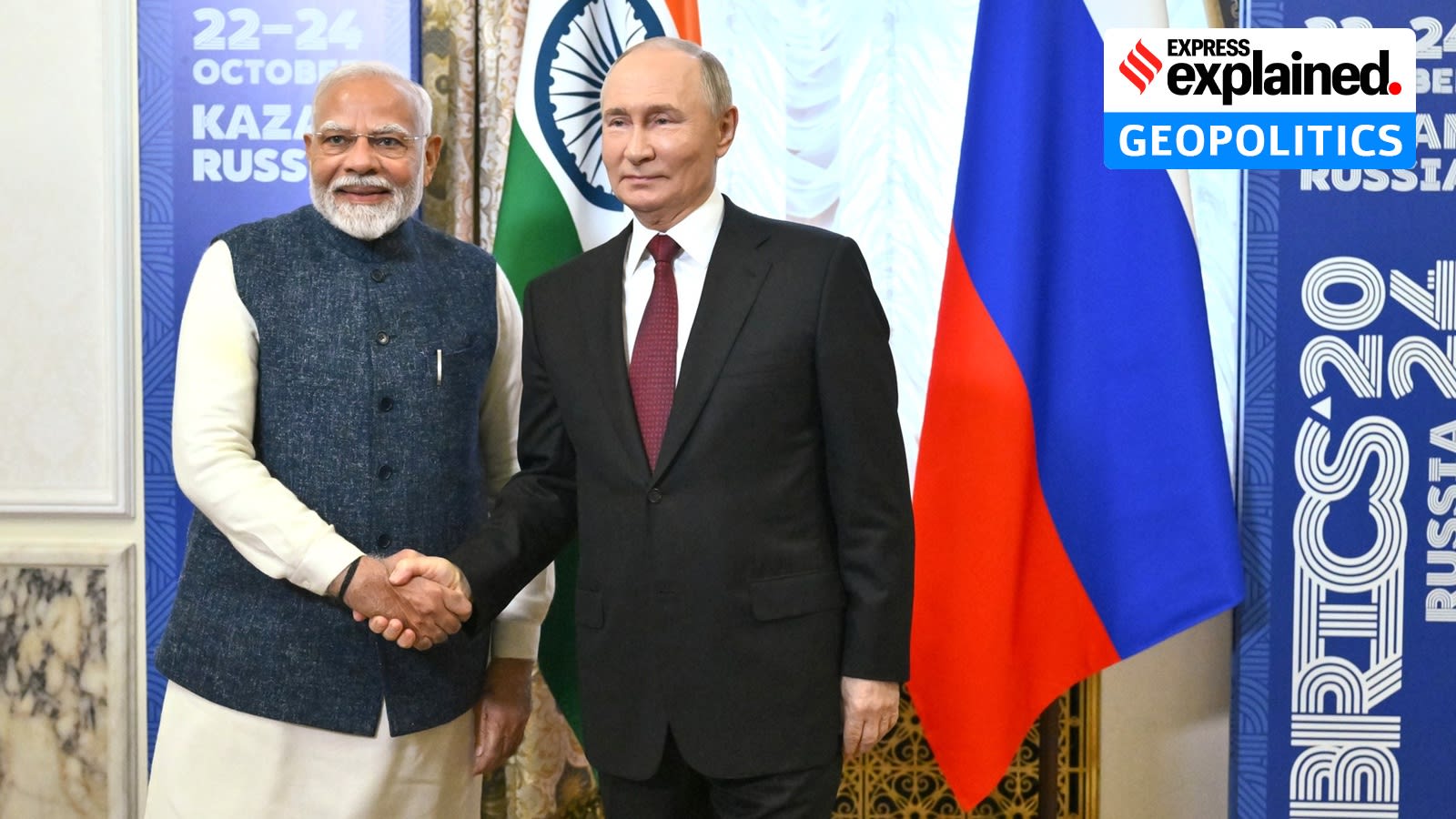
India is set to host the 18th BRICS Summit in New Delhi this September, marking two decades of the bloc's existence. The event serves as a pivotal moment to evaluate BRICS' economic growth relative to the G7 and navigate complex diplomatic relations with China.
The 18th BRICS Summit: A Strategic Milestone for India
As India prepares to host the 18th BRICS Summit in New Delhi on September 12 and 13, the geopolitical landscape surrounding the bloc has shifted significantly. Marking 20 years since its formalization in 2006, the summit serves as a critical juncture for the grouping to reflect on its foundational objectives. While initially formed to amplify the voices of emerging economies, the bloc now faces the challenge of adapting to a multipolar world order where its collective influence is increasingly scrutinized.
Economic Shifts: BRICS vs. The G7
The economic trajectory of BRICS has been profound. In 2000, the original members—Brazil, Russia, India, and China—accounted for approximately 23% of global GDP on a purchasing power parity (PPP) basis, while the G7 commanded nearly 52%. By 2024, the dynamic has fundamentally reversed. The now 11-member BRICS collective accounts for roughly 36.8% of global GDP (PPP), effectively outpacing the G7, which has seen its share fall below 29%. This economic maturation necessitates a shift in how the bloc engages with global financial institutions.
Diplomatic Context and Sino-Indian Relations
The lead-up to the New Delhi summit has been defined by high-stakes diplomacy, particularly regarding India-China relations. Recent engagements, such as the 25th round of talks between Special Representatives Ajit Doval and Wang Yi in Beijing, resulted in an 8-point consensus aimed at establishing a framework for settling long-standing boundary issues. This diplomatic activity, occurring alongside the Shanghai Cooperation Organisation (SCO) summit in Bishkek, sets a complex backdrop for the upcoming BRICS discussions.
Redefining the Bloc's Purpose
There is a growing consensus among analysts, including Capt. Anurag Bisen and Raj Kumar Sharma, that BRICS should move beyond the narrative of merely 'confronting the West.' As the bloc occupies a larger share of global economic output, its leadership—with India at the helm for this summit—has the opportunity to pivot toward pragmatic cooperation. This involves focusing on internal economic integration, sustainable development, and creating a more balanced international order rather than purely oppositional posturing.
Future Trends and Implications
The expansion of BRICS to 11 members signals a new era of inclusivity for the Global South. As India hosts this summit, the expectations are high for the bloc to articulate a clear vision for the next decade. Future trends suggest that the group will likely focus on strengthening intra-BRICS trade mechanisms and fostering deeper diplomatic alignment. By leveraging its economic weight, the bloc is positioned to influence global policy, provided it can manage the internal complexities of its diverse member states and navigate the evolving geopolitical tensions that define modern international relations.