Sugar output may dip 11%, says govt, rules out ethanol diversion impact on prices
Source Entity
DIPAK K DASH
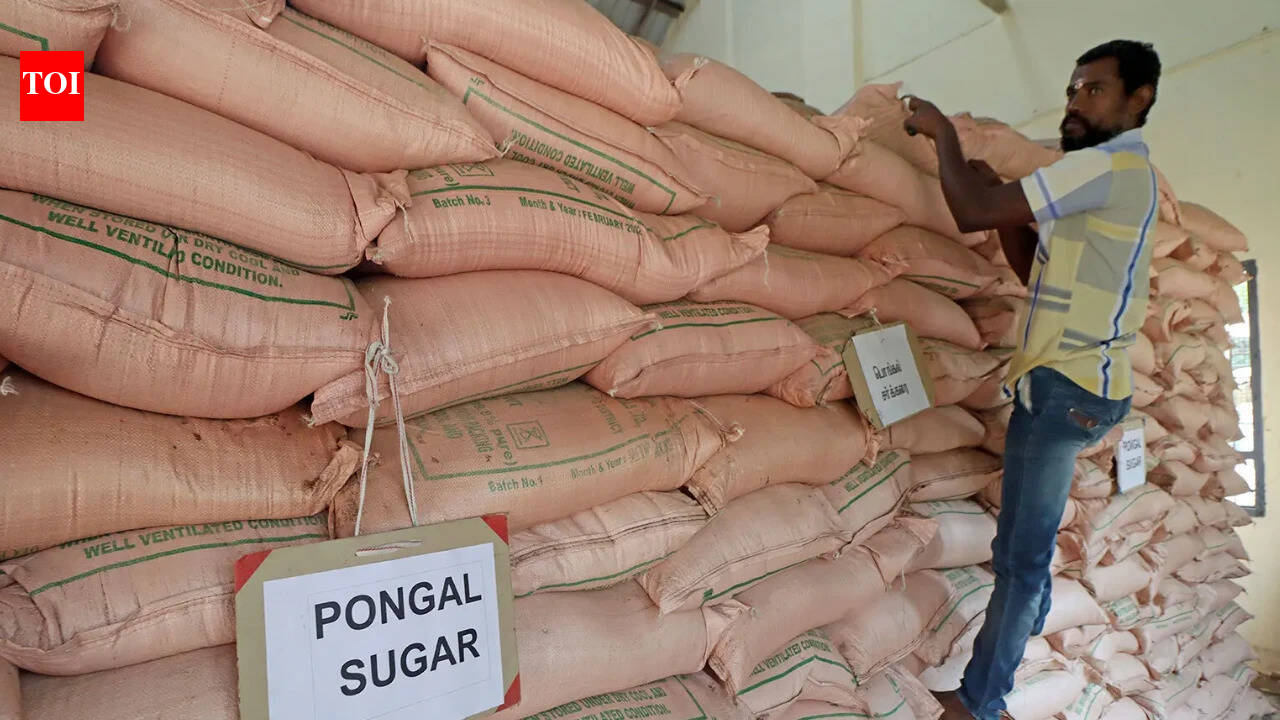
The Indian government has imposed sugar stockholding limits on bulk consumers and permitted 10 lakh metric tonnes of duty-free raw sugar imports. These measures aim to curb a 40% price surge ahead of the festive season, amid concerns over reduced domestic sugarcane yields.
Addressing the Sugar Price Surge: An Analysis of Government Intervention
In a strategic effort to stabilize the domestic sugar market, the Indian government has initiated a two-pronged intervention involving regulatory supply management and trade liberalization. With domestic sugar prices witnessing a staggering 40% increase over the last two months—and a 10% jump in the past month alone—the Centre has moved to impose stockholding limits on bulk consumers. This intervention is specifically targeted at large-scale institutional buyers, including confectioners, soft drink manufacturers, and food processing units, who consume at least ten metric tonnes of sugar monthly.
The Timing and Economic Rationale
The timing of this policy shift is critical, as India approaches its peak festive season, a period historically characterized by heightened demand for sugar-based products. By capping inventories for institutional buyers, the government aims to prevent hoarding and ensure that domestic supplies remain available for retail consumers during this high-demand window. This measure serves as a cooling mechanism for a market currently grappling with supply-side constraints, which have been exacerbated by adverse weather conditions affecting sugarcane production.
Balancing Imports and Domestic Supply
To further augment domestic availability, the government has authorized the duty-free import of 10 lakh metric tonnes (1 million metric tons) of raw sugar, effective until October 31. This decision reflects a pragmatic approach to managing inflation, signaling a willingness to leverage international markets to bridge the domestic supply gap. By allowing these duty-free imports, the Centre intends to temper the record-high prices that have been fueled by tightening supplies and lower agricultural yields.
Political Discontent and Ethanol Policy
The government's intervention has not been without political friction. Critics, including figures like Arvind Kejriwal, have questioned the broader policy framework, specifically alleging that the diversion of sugarcane for ethanol production has inadvertently contributed to the current domestic sugar shortage. The argument posits that prioritizing ethanol targets has forced the nation to expend valuable foreign exchange to import sugar, thereby creating a policy paradox that impacts consumer pricing.
Broader Market Implications
Beyond domestic borders, India's decision to allow significant raw sugar imports is likely to have a ripple effect on global sugar markets. As one of the world's largest producers and consumers, India’s supply-demand balance is a key driver of international price indices. The move to import 1 million metric tons represents a significant shift in trade dynamics, which market analysts suggest could influence global price trajectories in the short term as the world monitors the impact of India's regulatory actions.
Conclusion
The current situation highlights the complex challenge of balancing industrial goals, such as ethanol production, with the necessity of maintaining food security and price stability for the common citizen. As the government navigates these conflicting priorities, the success of these measures will depend on the effective implementation of the stockholding limits and the seamless arrival of the sanctioned raw sugar imports. For now, the policy serves as a vital stop-gap to ensure market stability during a period of intense seasonal consumption.
Multiple Citing Sources