When the Supply Chain Broke, Freight Tech Answered: The 2021 to 2023 Acceleration Years
Source Entity
Yahoo Finance
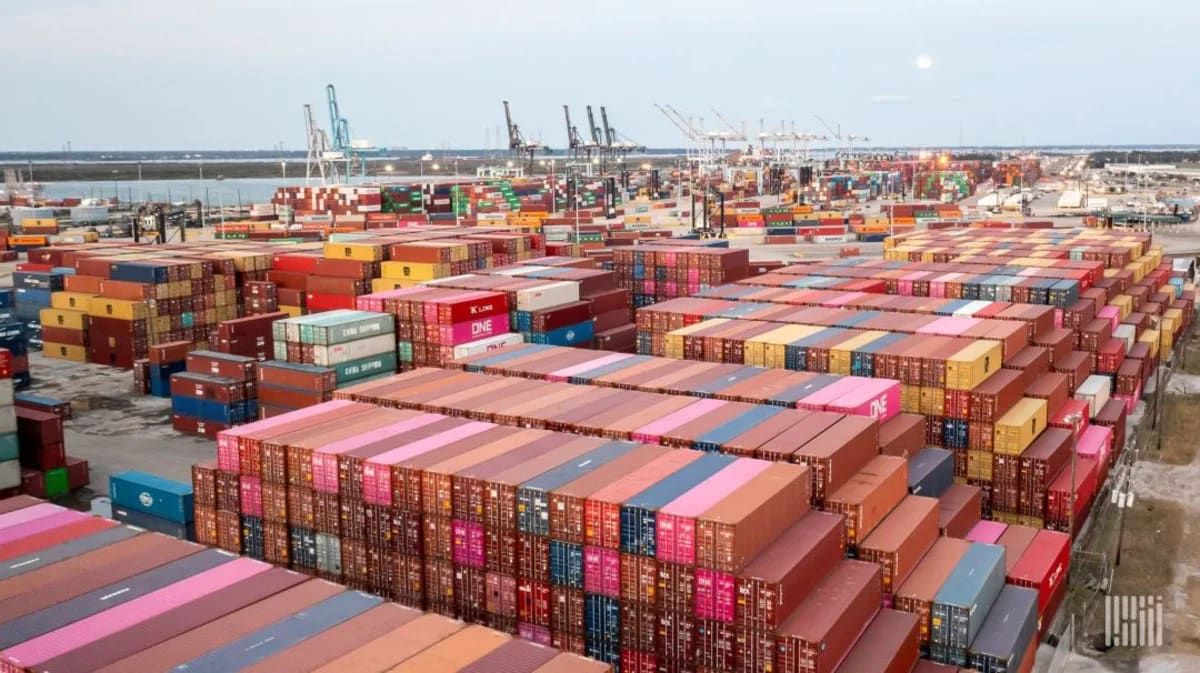
The 2021-2023 supply chain crisis acted as a catalyst for the rapid adoption of freight technology. Industry experts emphasize that bridging the gap between shipper and broker perspectives is now essential for navigating market volatility.
The Digital Transformation of Freight: A Catalyst Born of Crisis
For years, the freight technology sector existed as a collection of innovative solutions searching for an industry ready to embrace them. The logistical inertia of the traditional shipping sector was finally shattered in 2021, when the pandemic-era supply chain crisis transformed abstract digital concepts into immediate operational necessities. The sight of container ships idling outside ports and the subsequent erratic behavior of shipping rates forced a rapid evolution in how freight is managed.
From Sales Pitches to Operational Emergencies
Before 2021, tools focused on real-time visibility, capacity matching, and automation were often viewed as secondary enhancements. However, when capacity vanished and traditional methods failed, these technologies became the primary survival mechanism for shippers, brokers, and carriers. What would have taken a decade of conventional sales efforts was accomplished in eighteen months, as the industry scrambled to build the 'plumbing' of a modern digital freight infrastructure to survive the volatility.
The Dual-Perspective Advantage
As the industry matures past this period of rapid acceleration, the focus has shifted toward institutional knowledge and collaborative strategy. Tony Broyles of Overdrive Logistics highlights the critical importance of a 'dual perspective'—understanding the motivations of both shippers and brokers. This duality is not merely beneficial; it is essential for fostering long-term stability in a landscape where market shifts are often signaled by subtle changes in lane-specific rate pressures.
Identifying Market Shifts
Broyles notes that his brokerage identified a tightening freight market as early as November, well before the broader industry acknowledged the trend. This underscores the value of deep market intelligence and the ability to interpret early warning signs in truck supply and rate fluctuations. By moving beyond a transactional mindset to a relationship-based approach, companies can better navigate the inherent instability of the modern supply chain.
Future Trends and Resilience
Looking ahead, the integration of freight technology and dual-side expertise will likely define the leaders of the logistics sector. The era of 'pain-driven' adoption is transitioning into a phase of strategic optimization. Future success will depend on the ability to harmonize digital tools with the nuanced, human-centric understanding of the supply chain, ensuring that the industry remains resilient against future disruptions.
Conclusion: A New Industry Standard
The transformation of the freight industry from 2021 to 2023 was a crucible that forged a more sophisticated, tech-enabled marketplace. By synthesizing the lessons learned from the supply chain crisis with a deeper understanding of the symbiotic relationship between shippers and brokers, the logistics sector is now better positioned to handle the complexities of a globalized economy.