'Clock it', 'delulu': How Gen Z lingo took over Parl during anti-paper leak Bill debate
Source Entity
TOI NEWS DESK
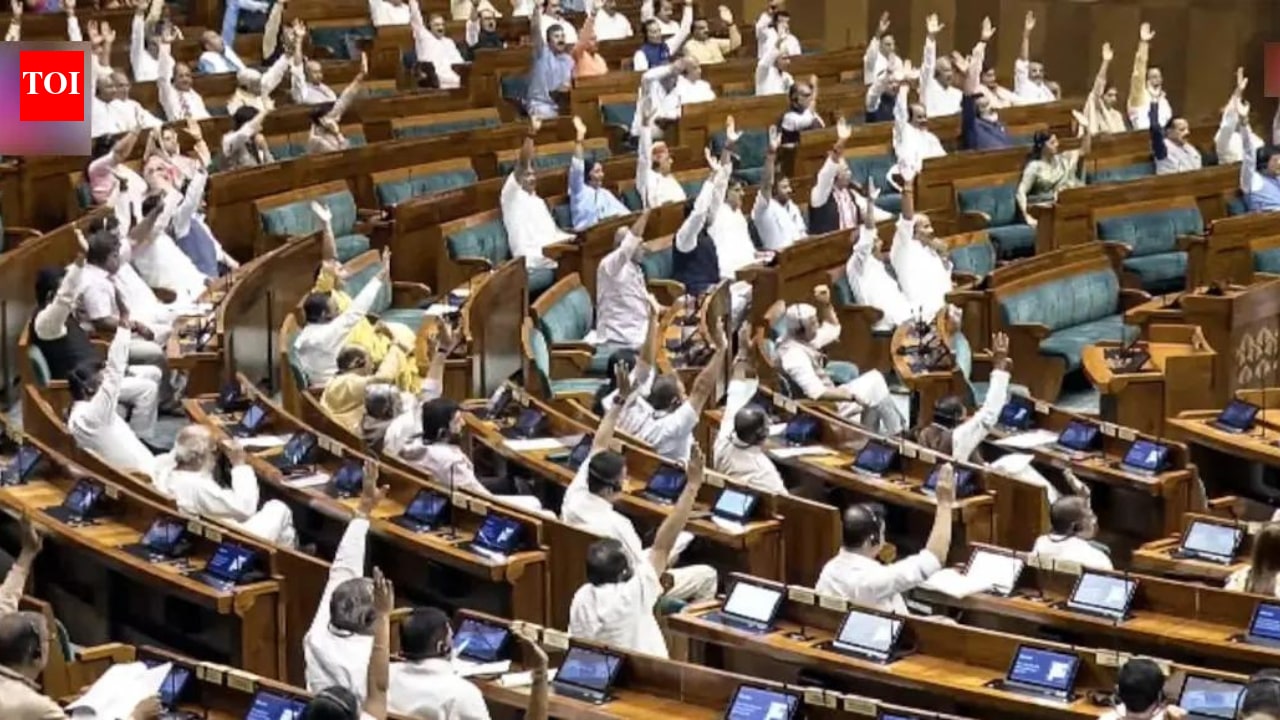
The government has introduced the Public Examinations (Prevention of Unfair Means) Amendment Bill, 2026, to impose stricter penalties for paper leaks. This legislative move follows intense nationwide protests led by the Cockroach Janta Party and the subsequent resignation of Education Minister Dharmendra Pradhan.
Strengthening Educational Integrity: The 2026 Anti-Paper Leak Bill
A Legislative Response to Crisis
The introduction of the Public Examinations (Prevention of Unfair Means) Amendment Bill, 2026, in the Lok Sabha marks a critical pivot in how the Indian government addresses examination malpractices. Driven by a wave of nationwide student protests, the bill seeks to replace the existing two-year-old framework with a far more punitive structure. By proposing a 10-year prison sentence and a substantial ₹50 lakh fine, the government is signaling a zero-tolerance approach toward those who compromise the sanctity of competitive exams.
Accountability and the Political Landscape
The political climate surrounding this bill is highly charged. The legislation comes in the wake of the resignation of Union Education Minister Dharmendra Pradhan, a direct consequence of sustained pressure from the Cockroach Janta Party (CJP) following the NEET(UG) question paper leak. This transition highlights the efficacy of grassroots mobilization in forcing legislative reform, as the government seeks to restore public confidence in the examination system after months of unrest.
Fast-Tracking Justice
A core pillar of the 2026 amendment is the focus on procedural efficiency. The bill introduces a two-month cap on investigations, ensuring that cases do not languish in bureaucratic limbo. By providing statutory backing to fast-track courts, the legislation aims to ensure that trials are concluded with the urgency that the future of the nation’s youth demands. This shift from protracted litigation to time-bound resolution is intended to act as a significant deterrent to potential offenders.
Navigating Parliamentary Friction
The path to this legislation was not without significant turbulence. The Lok Sabha faced a week of repeated disruptions as the Opposition raised concerns regarding alleged police excesses during the July 20 march to Parliament. The ultimate consensus, brokered by Speaker Om Birla and government floor managers, represents a rare moment of parliamentary cooperation. This breakthrough was essential to move beyond the logjam and address the substantive policy demands of the protesting students.
Implications for Future Governance
As the bill moves through the legislative process, its success will depend on the effective implementation of these stringent measures. The commitment articulated by Minister of State Jitendra Singh reflects a broader strategy to safeguard the welfare of students. Looking ahead, the enforcement of these penalties will serve as a litmus test for the administration's ability to balance security measures with the rights of citizens, while simultaneously shielding the integrity of national examinations from organized corruption.
Multiple Citing Sources