Tejasvi Surya's "Delulu" Jibe At Congress Over Paper Leak Bill
Source Entity
NDTV News Search Records Found 1000
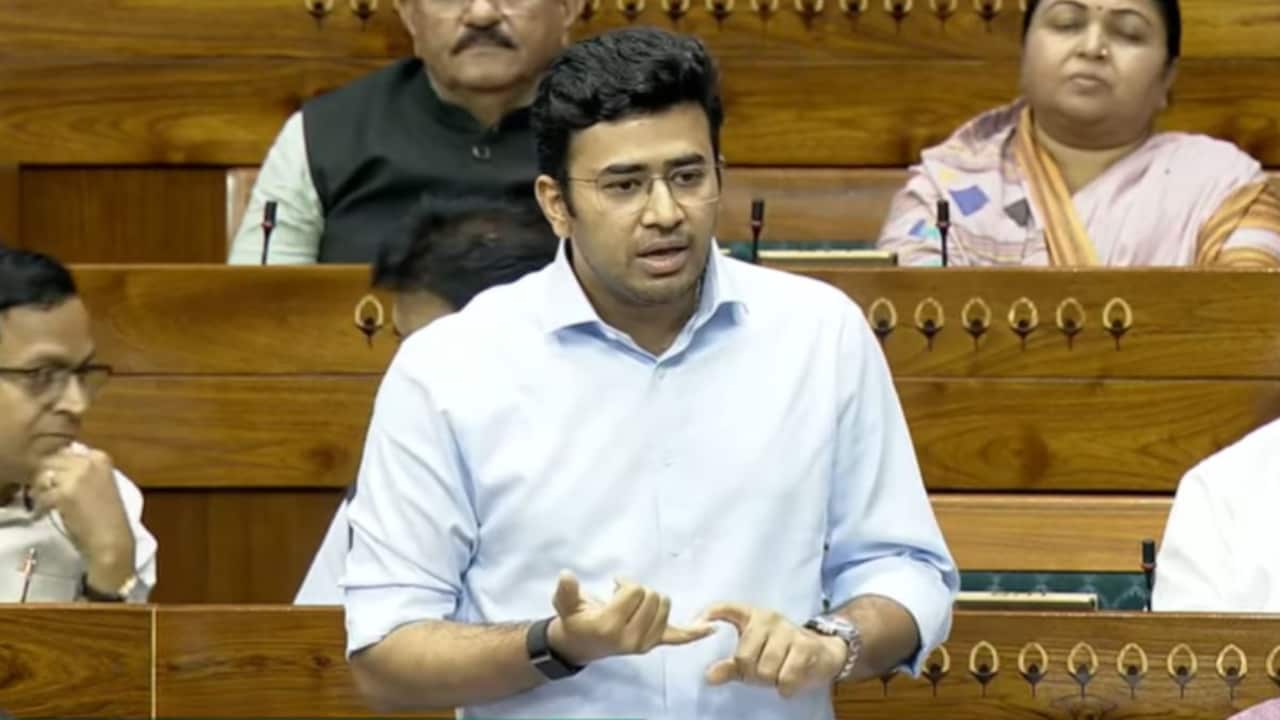
The Indian government has introduced the Public Examinations (Prevention of Unfair Means) Amendment Bill, 2026, to impose stricter penalties for paper leaks. This follows significant political pressure and student protests led by the Cockroach Janta Party, which also resulted in the resignation of Education Minister Dharmendra Pradhan.
Strengthening Academic Integrity: The 2026 Anti-Paper Leak Bill
The introduction of the Public Examinations (Prevention of Unfair Means) Amendment Bill, 2026, in the Lok Sabha marks a pivotal shift in the Indian government’s approach to maintaining the sanctity of national examinations. By proposing a 10-year prison term and a ₹50 lakh fine for those involved in examination malpractices, the government is signaling a zero-tolerance policy toward the systemic corruption that has plagued competitive testing. This legislative push is a direct response to the widespread student and youth protests that have gripped the nation, creating an urgent need for institutional reform.
Political Context and Parliamentary Breakthrough
The tabling of this bill follows a period of intense parliamentary deadlock, characterized by repeated disruptions and heated exchanges between the government and the Opposition. The legislative breakthrough was achieved through intense negotiations facilitated by Speaker Om Birla, which allowed the House to transition from a state of total paralysis to a constructive debate. This shift was necessary to address the growing public outcry regarding the NEET(UG) question paper leak, which served as the primary catalyst for the recent wave of civil unrest.
The Impact of Grassroots Mobilization
Central to this legislative development is the role of the Cockroach Janta Party (CJP), which spearheaded the protests against the systemic failures in examination management. The influence of these protests cannot be overstated, as they directly contributed to a significant political casualty: the resignation of Union Education Minister Dharmendra Pradhan. The government's decision to bring forward this more stringent legislation is a clear acknowledgment of the political imperative to address the grievances of the student community, who have demanded greater transparency and accountability.
Key Provisions of the 2026 Amendment
The proposed bill does not merely increase the severity of sentencing; it also seeks to optimize the judicial process surrounding these crimes. By placing a two-month cap on investigations and providing statutory backing for fast-track courts, the bill aims to eliminate the long delays that often undermine justice in cases of systemic fraud. These measures are designed to ensure that those who compromise the future of students face swift and decisive legal consequences, thereby acting as a powerful deterrent against future malpractices.
Broader Implications for Governance
Union Minister of State in the PMO, Jitendra Singh, described the bill as a "reaffirmation of the government’s commitment to safeguard the welfare of students and youth." The expansion of the existing two-year-old law demonstrates a willingness to adapt legislative frameworks to evolving challenges. As the nation grapples with the complexities of large-scale competitive exams, this bill represents a significant effort to bridge the trust gap between the administration and the aspirants who depend on these tests for their professional futures.
Future Outlook
Looking ahead, the success of this legislation will depend on the effectiveness of its implementation. While the 10-year jail term and heavy fines provide a robust legal shield, the ultimate test will lie in the efficiency of the newly empowered fast-track courts and the integrity of the investigative processes. Should this bill pass and be enforced rigorously, it could fundamentally reshape the landscape of competitive examinations in India, potentially restoring public confidence in the fairness and meritocracy of the national testing system.
Multiple Citing Sources
Verification Required?