India invites Bangladesh PM to Brics Summit
Source Entity
AHSAN TASNIM
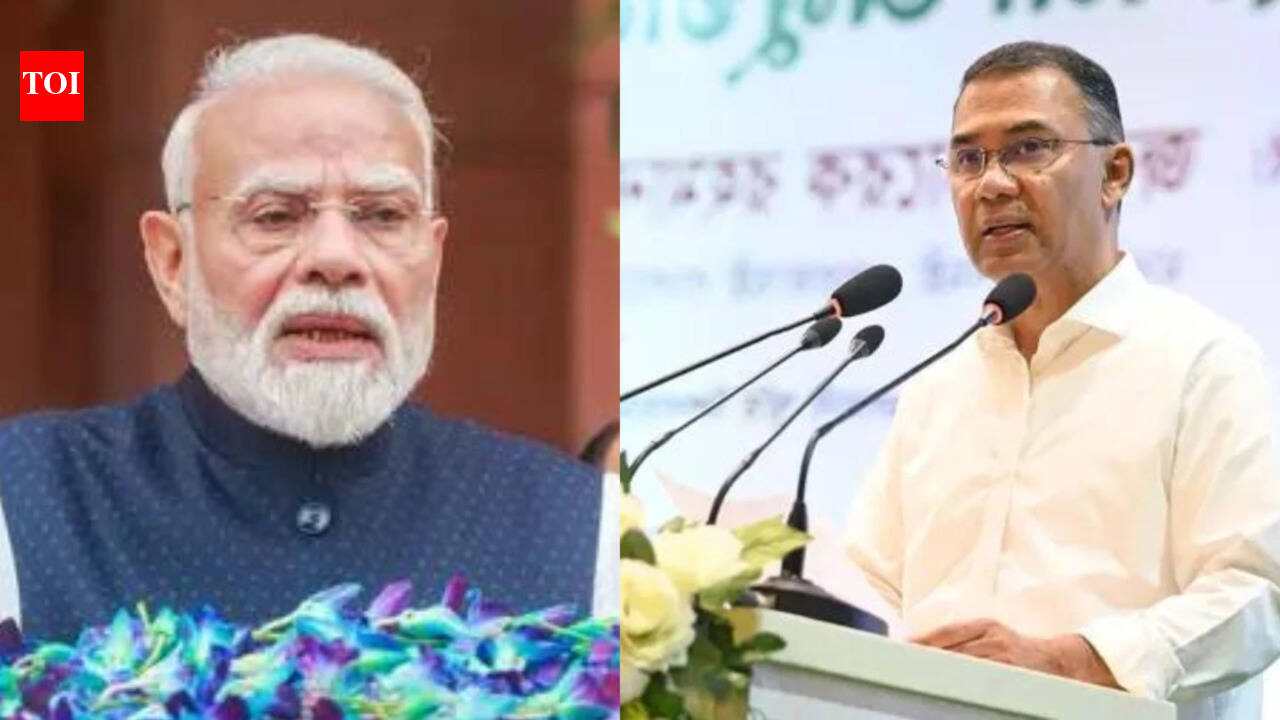
India has invited Bangladesh Prime Minister Tarique Rahman to attend the BRICS Summit in New Delhi this September as a special guest. The invitation highlights India's diplomatic outreach, though Rahman's attendance remains uncertain due to domestic political sensitivities.
India Extends BRICS Invitation to Bangladesh
India has officially invited Bangladesh Prime Minister Tarique Rahman to attend the 18th BRICS Summit, scheduled to take place in New Delhi on September 12-13. As the current chair of the BRICS grouping, India is leveraging this platform to foster broader international collaboration, with a specific focus on trade, sustainable development, and global cooperation. The invitation marks a significant diplomatic gesture, positioning Bangladesh as a key partner in India's regional outreach strategy.
The Diplomatic Significance of the BRICS Summit
By inviting non-member nations like Bangladesh as special guests, India is signaling an intent to expand the influence of BRICS beyond its core membership. The summit serves as a vital venue for emerging economies to align on economic policies and infrastructure development. For Bangladesh, receiving such an invitation underscores its growing importance in South Asian geopolitics and its potential role in future regional trade frameworks, even without formal observer status within the bloc.
Navigating Domestic Political Sensitivities
Despite the strategic importance of the invitation, the potential for Prime Minister Rahman to attend remains complex. Reports indicate that Rahman has been hesitant to visit India since taking office, primarily due to the political optics surrounding the presence of former Prime Minister Sheikh Hasina on Indian soil. This domestic friction creates a delicate balancing act for the Bangladeshi leadership, as they weigh the benefits of international engagement against potential internal political backlash.
Historical Context and Future Trends
This is not the first time Prime Minister Narendra Modi has reached out to his Bangladeshi counterpart; an invitation was previously extended in February. The persistence of the Indian government in securing Rahman’s presence highlights the priority Delhi places on maintaining a stable and collaborative relationship with Dhaka. Future trends suggest that India will continue to utilize multilateral forums like BRICS to strengthen ties with its neighbors, despite the presence of historical or domestic hurdles that may complicate these bilateral interactions.
Conclusion: Assessing the Path Forward
As the September summit approaches, all eyes remain on Dhaka to see if the invitation will be accepted. The successful participation of Prime Minister Rahman would represent a major step toward normalizing and deepening ties between the two nations. Conversely, a refusal would highlight the persistent challenges that domestic political realities pose to regional diplomacy. Ultimately, the invitation serves as a litmus test for the resilience of India-Bangladesh relations amidst shifting political landscapes.