US sanctions Indian couple, 9 firms over alleged Iran oil trade fraud
Source Entity
AASHISH VASHISTHA
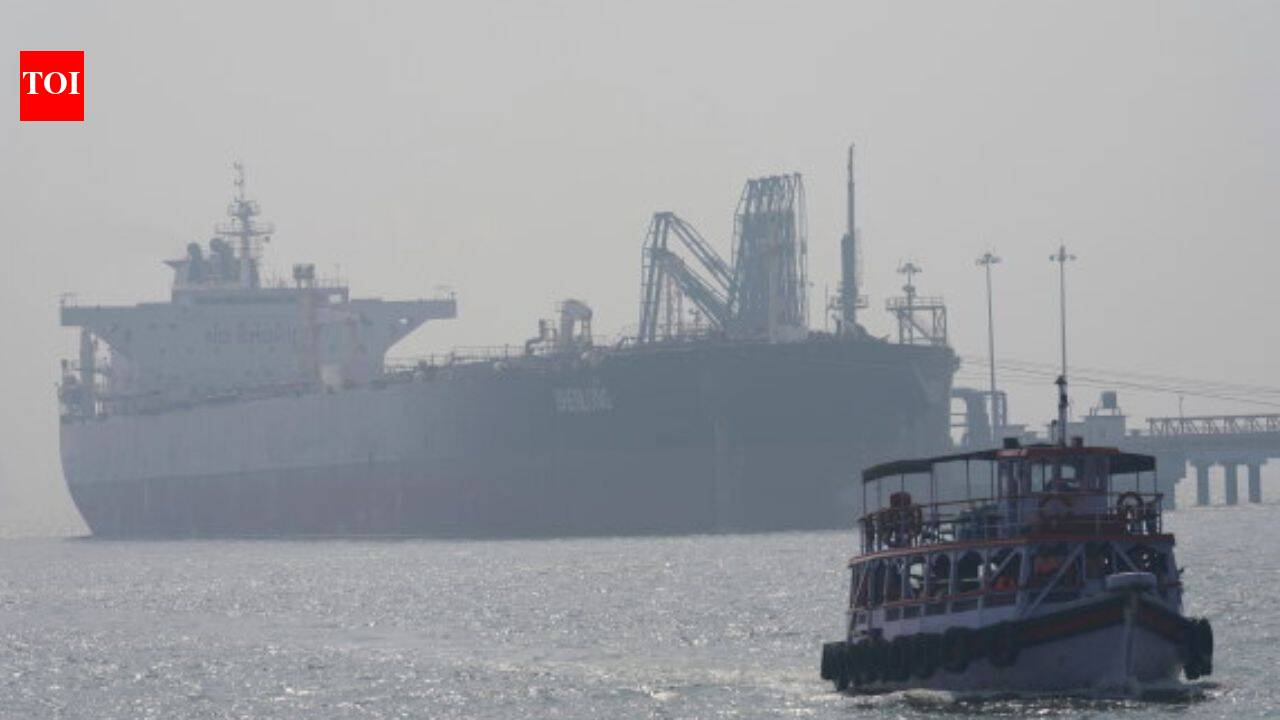
Iran has granted India and China exemptions from Strait of Hormuz transit restrictions amid ongoing West Asian hostilities. Simultaneously, the US has sanctioned Indian nationals and firms for allegedly facilitating Iranian oil trade evasion under 'Operation Economic Outcast'.
The Geopolitical Tightrope: India’s Strategic Balancing Act
Recent developments in West Asia have placed India at a precarious intersection of maritime security and international sanction regimes. While Tehran has officially exempted Indian commercial shipping from transit restrictions currently imposed on the Strait of Hormuz, the United States has simultaneously tightened its economic grip on alleged facilitators of Iranian commerce. This dual reality underscores the immense pressure on New Delhi to navigate its historical ties with Iran while adhering to the increasingly rigid global financial architecture enforced by Washington.
The Strait of Hormuz: A Chokepoint of Conflict
The Strait of Hormuz remains one of the most volatile maritime corridors in the world, responsible for the transit of roughly one-fifth of the global fuel supply. Following the joint US-Israeli strikes on February 28, the passage has been subject to a series of blockades, leaving the global energy market in a state of chronic instability. Tehran's decision to grant India and China specific exemptions from these transit restrictions is a strategic move to maintain vital trade lifelines while signaling a preference for non-Western economic partners amidst an eight-month-long conflict.
Escalation of 'Operation Economic Outcast'
Contrasting this regional exemption is the aggressive expansion of the Trump administration’s 'Operation Economic Outcast.' The US Treasury Department has recently leveled sanctions against Indian businessman Suniel Kumar Sharma, his wife Jaspreet Preeti Shahid, and several associated firms. The allegations center on a sophisticated network accused of employing false flags and fraudulent maritime certifications to bypass international sanctions on Iranian petroleum. These actions highlight the US government’s commitment to dismantling the infrastructure supporting Iran’s oil trade, which Washington views as the primary funding mechanism for Iran's military operations.
Implications of US Domestic Politics
The timing of these sanctions is not merely a matter of foreign policy but is deeply intertwined with US domestic political shifts. Following significant midterm election gains by the Democratic Party—driven by voter frustration over the economic impact of the Iran war and domestic inflation—the administration is under heightened pressure to demonstrate a forceful stance on Iran. By targeting entities in both India and Turkey, the Treasury is signaling that it will pursue any individual or firm that facilitates Iranian oil and aviation exports, regardless of their geopolitical location.
Assessing the Future of Energy Security
Looking forward, the tension between Tehran’s transit exemptions and Washington’s sanctions policy creates a complex regulatory environment for Indian commercial interests. As the US continues to monitor and penalize networks involved in maritime fraud, Indian firms operating in the region face heightened scrutiny. The situation suggests a prolonged period of volatility where energy security remains hostage to the broader military and economic confrontation between Iran and the United States. India must now manage a delicate diplomatic path to protect its energy imports while mitigating the risk of being caught in the crosshairs of US financial enforcement.
Multiple Citing Sources