US sanctions Indian couple over ‘maritime fraud’ supporting Iran’s shadow fleet
Source Entity
The Indian Express
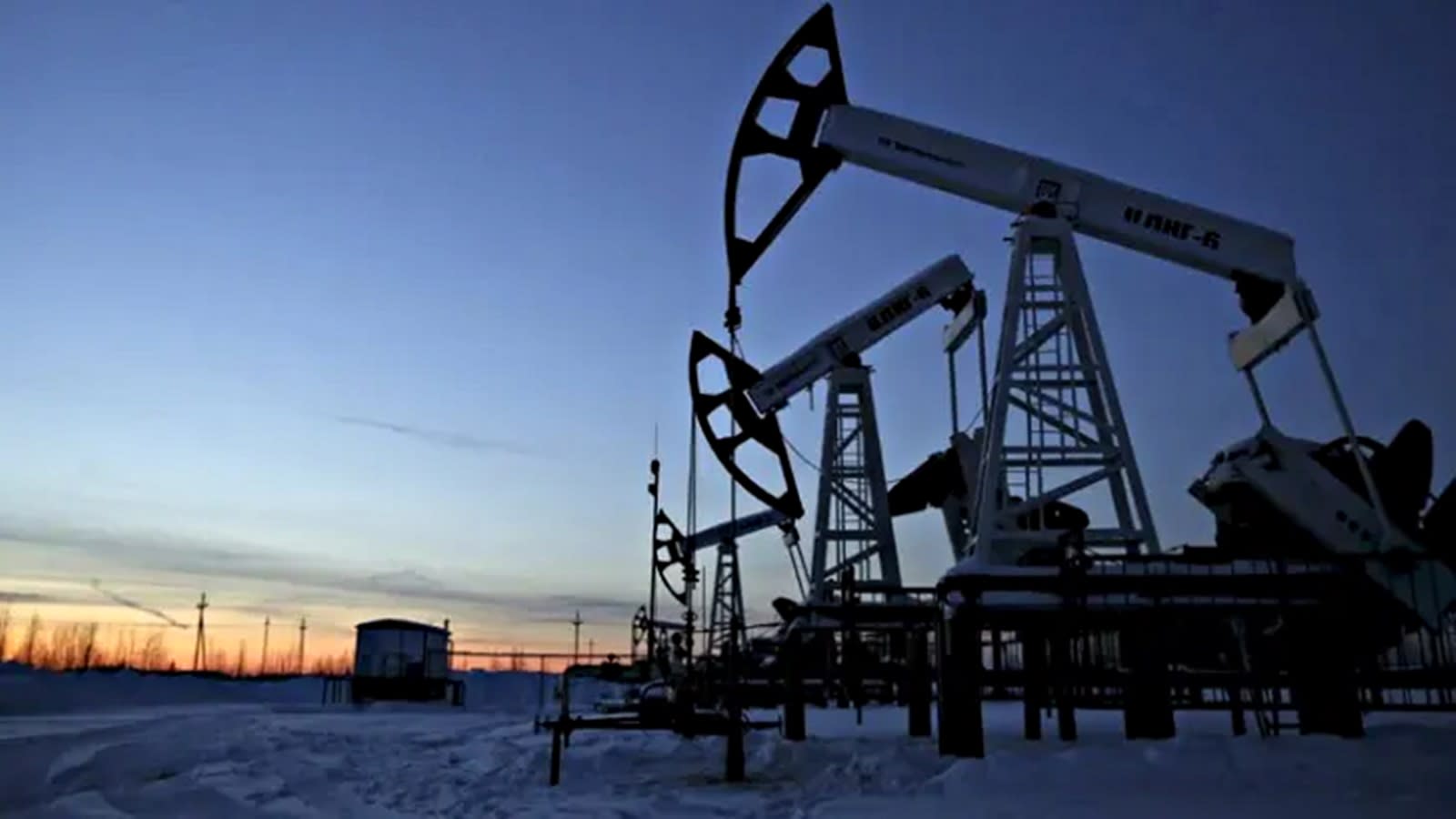
Tehran has granted India and China exemptions for shipping through the Strait of Hormuz amid ongoing regional hostilities. Simultaneously, the US has imposed sanctions on an India-based network for allegedly helping Iran evade oil trade restrictions.
The Geopolitical Tightrope: India's Maritime Strategy Amidst Iran-US Tensions
The Strategic Importance of the Strait of Hormuz
The Strait of Hormuz serves as one of the world's most critical maritime chokepoints, historically accounting for approximately 20% of the global fuel supply. The current closure of this artery, following joint US and Israeli strikes on February 28, has created a severe bottleneck in global energy trade. After eight months of escalating hostilities—most recently marked by US strikes on Iranian targets on November 2—the region remains a powder keg. Tehran’s decision to exempt commercial vessels from specific nations, including India and China, from transit restrictions represents a calculated effort to maintain essential economic lifelines despite the ongoing blockade.
Balancing Economic Survival and Diplomatic Pressure
For India, the exemption granted by Iran is a vital diplomatic and economic concession. As a major energy importer, India’s access to the Strait of Hormuz is essential for maintaining domestic fuel stability. However, this access comes at a time when the United States is intensifying its economic pressure on Tehran. The Trump administration’s "Operation Economic Outcast" seeks to systematically isolate Iran by cutting off its ability to fund military activities through oil revenues. India finds itself navigating a difficult path, attempting to secure its energy interests while avoiding the fallout of US-led economic warfare.
The Crackdown on Sanctions Evasion
The recent imposition of US sanctions against an India-based businessman, Suniel Kumar Sharma, and his spouse, Jaspreet Preeti Shahid, highlights the friction caused by this balancing act. The US Treasury Department alleges that this network operated a sophisticated system of maritime fraud, utilizing false flags and fraudulent certifications to facilitate the transit of Iranian petroleum. By targeting these specific Indian companies and individuals, the US is signaling that it will aggressively pursue any entity deemed to be facilitating Iranian sanctions evasion, regardless of the broader geopolitical relationships involved.
Domestic Political Context in the United States
The timing of these sanctions is deeply intertwined with US domestic politics. Following significant gains by the Democratic Party in midterm elections, where voters expressed deep frustration regarding the Iran war and its contribution to domestic inflation, the administration is under pressure to show results. The Treasury Department's move is a direct attempt to demonstrate a commitment to economic warfare against Tehran, aiming to curb the funding streams that sustain the ongoing conflict in West Asia.
Future Implications and Regional Stability
Looking ahead, the tension between Iran’s need for revenue and the US-led blockade will likely continue to create volatility in global shipping routes. The exemption for Indian and Chinese ships suggests that Iran is prioritizing relationships with key Asian powers to maintain its economic relevance. However, as the US continues to expand its "Operation Economic Outcast" to include entities in India and Turkey, the risk for commercial operators increases. The future of trade through the Strait of Hormuz will depend heavily on whether diplomatic channels can mitigate the impact of these competing economic pressures or if the cycle of sanctions and evasion will lead to further maritime instability.
Multiple Citing Sources