Rajnath Singh's 'Mahasagar Vision' Mention In Talks With Japan Counterpart
Source Entity
NDTV News Search Records Found 1000
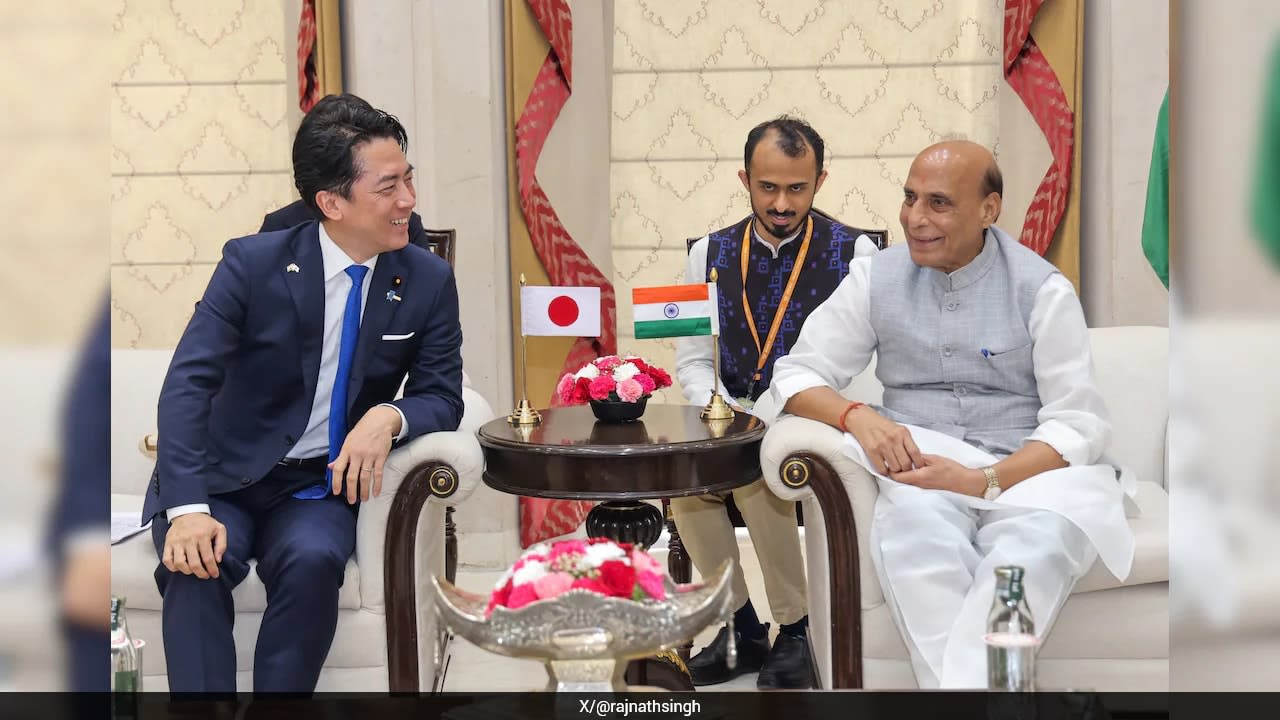
India and Japan have signed a significant maritime security pact to enhance naval cooperation and operational logistics in the Indo-Pacific. The agreement focuses on information sharing, joint exercises, and safeguarding vital sea lanes amidst regional instability.
Strengthening the Indo-Pacific Security Architecture
On August 20, 2026, India and Japan reached a landmark milestone in their bilateral defence relations by signing a Memorandum of Arrangement (MoA) on Maritime Security Cooperation. During high-level talks in New Delhi, Indian Defence Minister Rajnath Singh and his Japanese counterpart, Shinjiro Koizumi, solidified their commitment to the 'Japan-India Special Strategic and Global Partnership.' This agreement serves as a direct response to the evolving geopolitical landscape of the Indo-Pacific, where both nations seek to preserve a rules-based order.
Operational Synergy and Logistics
The pact goes beyond symbolic diplomacy, establishing a concrete framework for operational cooperation between the Indian Navy and the Japan Maritime Self-Defense Force. By formalizing agreements on ship repair, logistics support, and information sharing, both nations are lowering the barriers to interoperability. This is particularly significant given the vast geography of the Indo-Pacific; the ability for Indian and Japanese vessels to utilize each other's logistics infrastructure effectively multiplies the maritime reach of both forces.
Strategic Focus: MDA and Humanitarian Relief
A core component of the new arrangement is the enhancement of Maritime Domain Awareness (MDA). By synchronizing their surveillance capabilities, India and Japan aim to maintain a clearer picture of regional maritime activities. Furthermore, the inclusion of Search and Rescue (SAR) operations and Humanitarian Assistance and Disaster Relief (HADR) highlights the dual-use nature of this partnership—ensuring both military readiness and the ability to respond to regional crises collectively.
Opposing Unilateralism
The joint statement issued by the ministers carries significant weight, explicitly expressing opposition to unilateral actions that threaten freedom of navigation and overflight. This stance is a calculated reaction to the increasing attempts to alter the status quo in the Indo-Pacific through coercion. By emphasizing the protection of vital Sea Lines of Communication, the two nations are signaling a unified front against activities that impede international maritime security.
Integrating the Mahasagar Vision
During the discussions, Defence Minister Rajnath Singh highlighted his 'Mahasagar Vision,' which frames maritime security as an essential pillar for regional stability and economic prosperity. The integration of this vision into the talks with Japan underscores India’s proactive role in regional security architecture. As Japan reviews its defence equipment and technology transfer frameworks, the potential for future joint technological development becomes a key trend to watch, potentially reshaping the defence manufacturing landscape between the two countries.
Future Implications
The signing of this MoA sets a precedent for future bilateral and minilateral security arrangements in the region. As India and Japan continue to align their strategic interests, the Indo-Pacific is likely to see more frequent joint naval exercises and deeper intelligence integration. This partnership not only bolsters the security of the Indian and Pacific Oceans but also serves as a stabilizing influence, deterring unilateral aggression and promoting a free, open, and inclusive regional environment.
Verification Required?