'Dream About To Come True': PM Modi Ahead Of Launch Of 1st Hydrogen Powered Train
Source Entity
NDTV News Search Records Found 1000
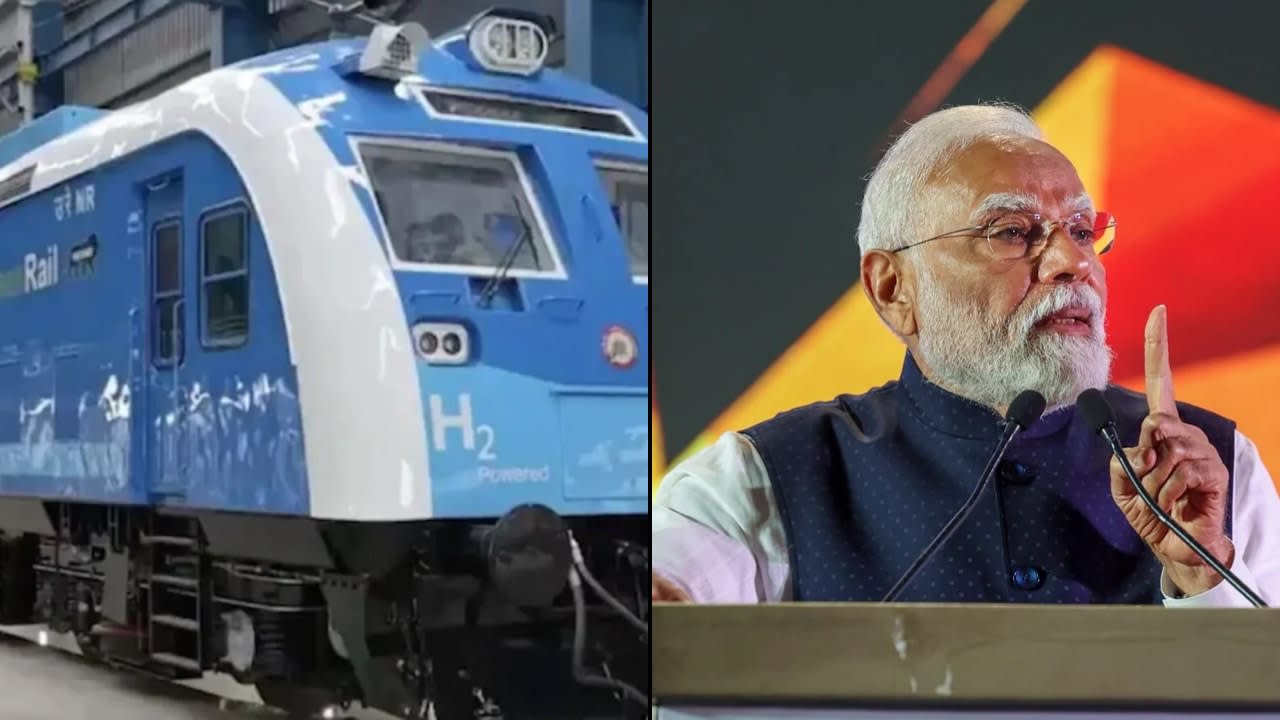
Prime Minister Narendra Modi has officially launched India's first hydrogen-powered train in Jind, Haryana, marking a significant milestone in sustainable transportation. This 10-coach train utilizes hydrogen fuel cell technology to produce zero carbon emissions, positioning India among the global leaders in green rail innovation.
India Enters the Green Rail Era: A Milestone in Sustainable Mobility
Prime Minister Narendra Modi recently flagged off India’s first hydrogen-powered train in Jind, Haryana, representing a landmark achievement in the nation’s transition toward sustainable infrastructure. This initiative is not merely a technological upgrade for the Indian Railways but a strategic pivot toward decarbonizing the transport sector. By integrating hydrogen fuel cell technology, India joins an elite group of nations actively pursuing zero-emission rail solutions, aligning with global climate goals and domestic environmental mandates.
The Mechanics of Hydrogen Rail
At the core of this technological leap is the hydrogen fuel cell system. Unlike traditional diesel locomotives, these trains function by converting hydrogen and oxygen into electricity. This chemical reaction powers the traction motors without the need for combustion, effectively eliminating smoke and harmful pollutants. The system is designed for efficiency, utilizing hydrogen fuel cells that produce 1,200 kW of power, augmented by lithium iron phosphate batteries and specialized hydrogen storage cylinders. The only byproduct of this process is harmless water vapor, cementing its status as a truly clean energy solution.
Scaling for Public Transit
The scale of this project is significant, as the new train features 10 coaches with the capacity to transport 2,600 passengers. This capacity demonstrates that hydrogen technology is not just a niche experiment but a viable alternative for high-density public transportation. The establishment of a dedicated hydrogen facility at Jind further indicates a commitment to creating the necessary infrastructure to support refueling and maintenance, ensuring the long-term operational viability of the fleet.
Broader Implications for Energy Security
Beyond the immediate benefits of rail modernization, this project holds profound implications for India’s energy security. By diversifying the energy mix away from fossil fuels, the hydrogen rail initiative supports the government's broader vision for cleaner mobility. It encourages the domestic development of hydrogen supply chains and storage technologies, which are essential for reducing reliance on imported fuels and fostering a self-reliant energy ecosystem.
Challenges and Future Trends
While the launch is a celebratory milestone, the transition to hydrogen mobility faces inherent challenges, including the high cost of green hydrogen production and the need for widespread infrastructure expansion. However, the success of this pilot project serves as a foundational step. Future trends will likely focus on scaling production, optimizing fuel cell efficiency, and expanding the hydrogen rail network to connect more regions. As technology matures, the cost-benefit ratio is expected to improve, paving the way for a cleaner, more resilient, and technologically advanced Indian railway system.
Multiple Citing Sources
Verification Required?