Skyroot’s Vikram-1 to launch delayed, lift off shortly
Source Entity
The Indian Express
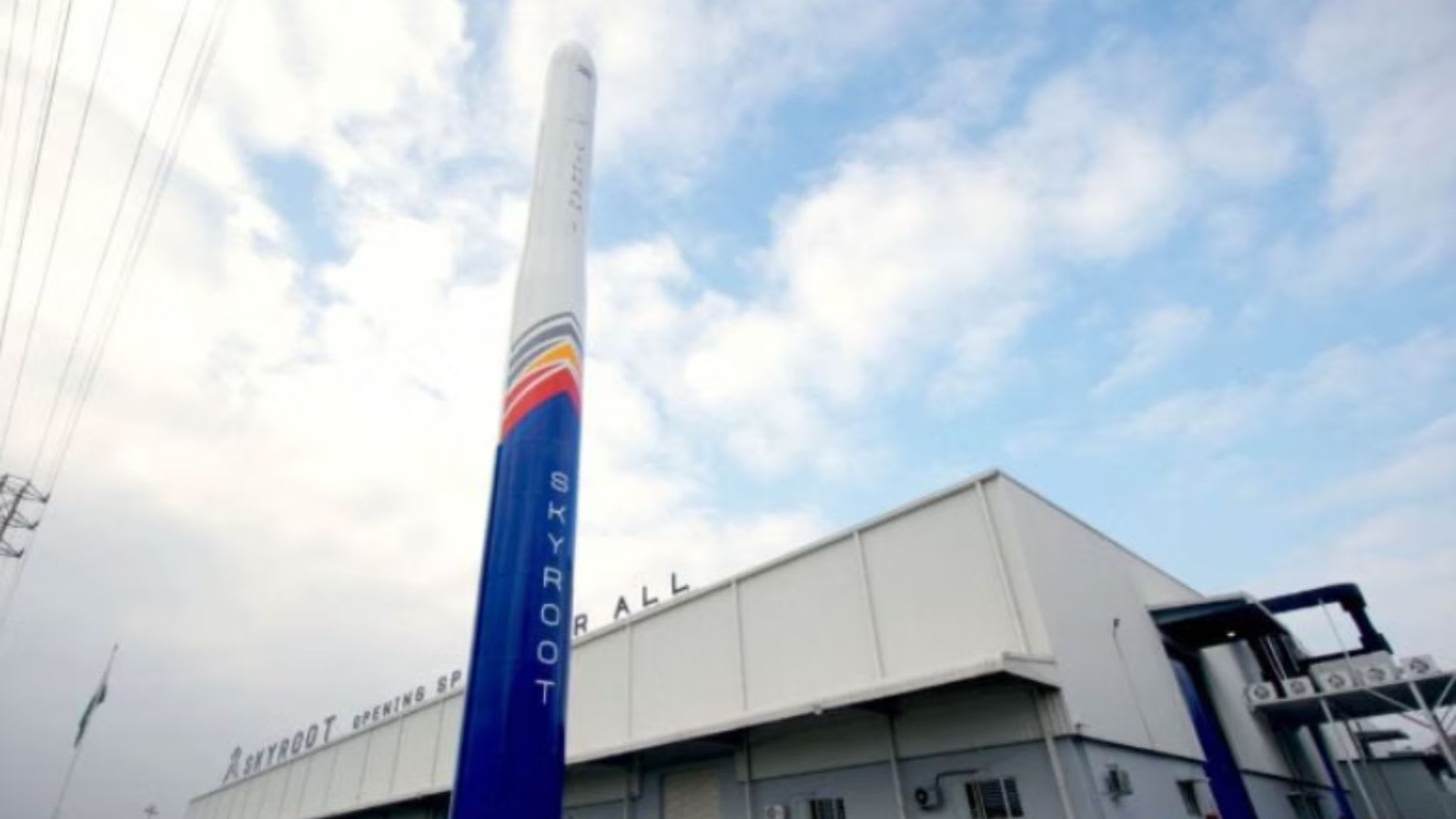
Skyroot Aerospace has initiated the maiden orbital launch of its Vikram-1 rocket, named mission 'Aagaman', from the Satish Dhawan Space Centre. Despite a brief delay due to a planned hold, this milestone marks a historic shift toward private sector participation in India's space industry.
A New Era for Indian Space Exploration
Skyroot Aerospace is currently making history at the Satish Dhawan Space Centre in Sriharikota, Andhra Pradesh, with the highly anticipated maiden orbital launch of the Vikram-1 rocket. Known as mission 'Aagaman', this launch represents a monumental leap for India's domestic space capabilities, as it marks the first time a private Indian entity has attempted an orbital-class launch. This event has garnered significant attention from the highest levels of government, with Prime Minister Narendra Modi publicly praising the talent of the nation's youth in driving this technological breakthrough.
The Technological Significance of Vikram-1
Vikram-1 is a sophisticated four-stage launch vehicle specifically engineered for rapid, cost-effective launch services. Unlike conventional heavy-lift rockets, its design philosophy focuses on agility and responsiveness, catering to the growing global demand for small satellite launches. By successfully developing an orbital-class rocket, Skyroot Aerospace demonstrates that India’s private sector is no longer just a support system for state-run agencies but a primary driver of aerospace innovation.
Navigating the Challenges of Launch
Space exploration is inherently fraught with technical complexities, and the 'Aagaman' mission is no exception. While the launch was initially scheduled for 11:30 AM, mission controllers initiated a 'planned hold' at T-minus 4 minutes and 59 seconds. This procedure, while causing a delay, highlights the rigorous safety protocols and automated systems embedded within the Vikram-1 platform. Such pauses are standard in the aerospace industry to ensure system integrity before the final ignition sequence.
Broader Implications for the Private Sector
The shift toward private spaceflight in India, catalyzed by policy reforms, has effectively opened a new frontier for technological growth. By transitioning from government-monopolized space operations to a collaborative ecosystem involving private firms like Skyroot, India is positioning itself to capture a larger share of the global satellite launch market. This transition is not merely commercial; it is a strategic effort to foster a culture of entrepreneurship and high-tech engineering among Indian youth.
Future Trends and Outlook
Looking ahead, the success of the Vikram-1 platform could lead to a surge in private space investment within India. As the nation continues to build out its space infrastructure, the ability to launch satellites independently and frequently will enhance India's connectivity, surveillance, and scientific research capabilities. The 'Aagaman' mission serves as a litmus test for the viability of this private model, setting the stage for more frequent orbital missions and potentially lowering the barrier to entry for domestic and international satellite operators alike.
Multiple Citing Sources