India must turn Europe's China problem into its manufacturing moment
Source Entity
Latest News: Todays Latest News Headlines from India & World | Hindustan Times | Hindustan Times
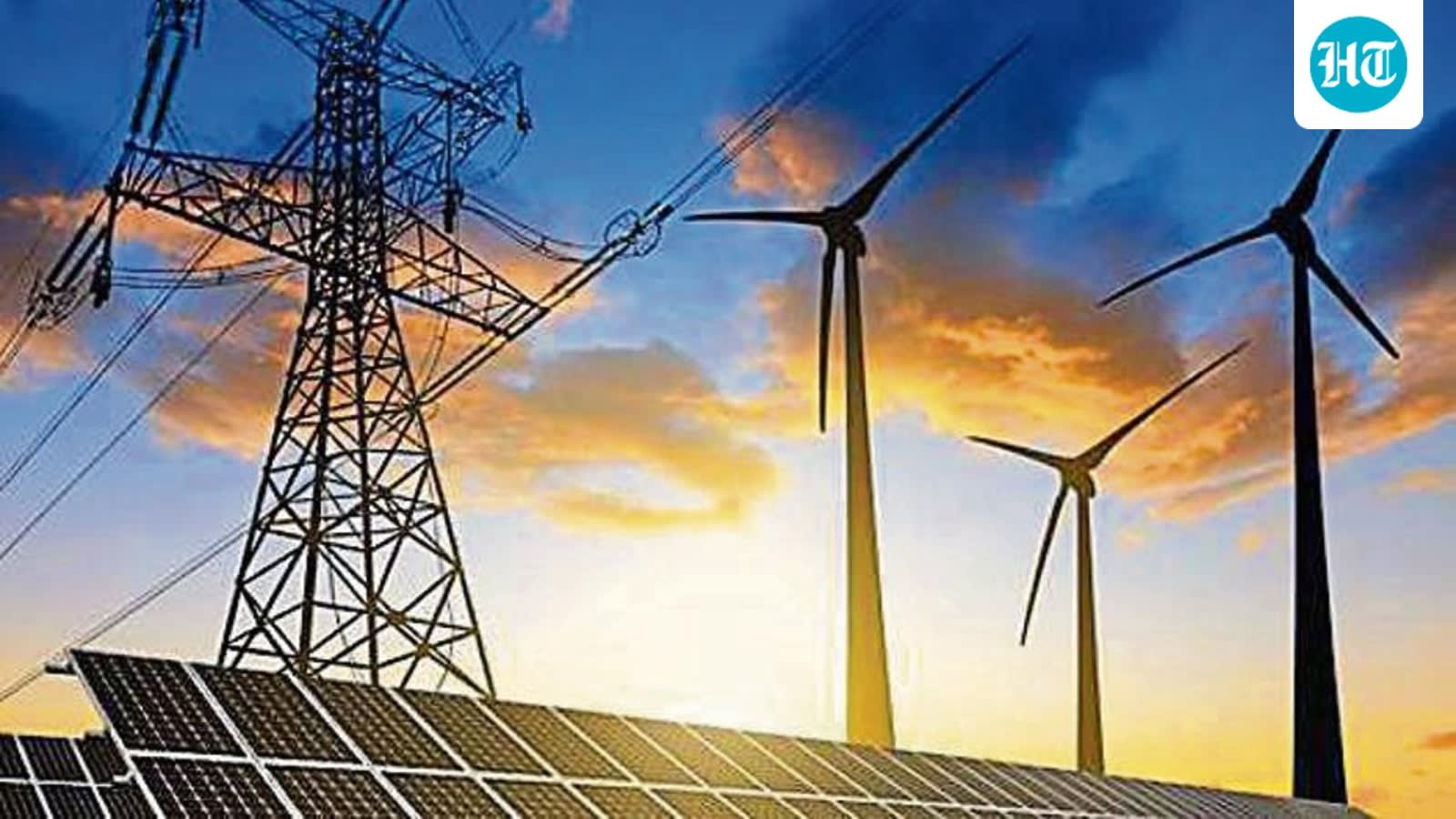
India is uniquely positioned to capitalize on global efforts to reduce reliance on Chinese supply chains in the clean-energy sector. By localizing manufacturing and diversifying partnerships, India can transform its energy transition into a robust industrial growth strategy.
India’s Strategic Pivot: From Energy Transition to Industrial Powerhouse
India’s clean-energy transition has evolved beyond simple capacity targets of gigawatts installed; it has fundamentally transformed into a sophisticated exercise in industrial policy and geoeconomics. As authors Jagjeet Sareen and Anuj Gupta highlight, the focus is shifting toward self-reliance in manufacturing the critical infrastructure required for a green future. This shift is not merely domestic but a reaction to the precarious reality of global supply chains that currently rely heavily on a single dominant player.
The Vulnerability of Global Green Supply Chains
The urgency of this transition is underscored by the fragility of current international supply chains. Data indicates that more than half of the solar panels, wind turbines, and lithium-ion batteries imported by India, the European Union, and the United Kingdom originate from China. This concentration creates a significant systemic risk for nations attempting to decarbonize their economies, as any disruption in Chinese manufacturing or trade policy could effectively halt global climate initiatives.
The Concentration of Critical Mineral Processing
The challenge is even more pronounced when examining the upstream segment of the clean-energy value chain. The processing of essential minerals—the raw building blocks of modern technology—is heavily centralized within China. With the country controlling roughly 70% of the world's lithium, 78% of its cobalt, and an overwhelming 96% of battery-grade graphite, the global energy transition is currently tethered to a narrow geographical bottleneck. This dominance poses a strategic threat to any nation seeking energy security.
Leveraging the 'China Plus One' Strategy
For India, the current geopolitical climate offers a distinct opportunity to present itself as a viable alternative to the status quo. As European and Western nations seek to de-risk their supply chains, India can position itself as a key manufacturing hub. By investing in domestic refining capabilities and assembly lines for clean-energy components, India can turn Europe’s 'China problem' into a domestic manufacturing moment, fostering industrial growth while ensuring energy sovereignty.
Long-Term Economic and Geopolitical Implications
If India successfully integrates itself into these global value chains, the long-term benefits are substantial. Beyond achieving net-zero targets, the nation stands to gain significant export revenue and high-value job creation. By forming strategic partnerships with the EU and the UK, India can diversify its trade dependencies and become a cornerstone of a more resilient global green economy. This transition requires not just capital, but a sustained commitment to policy frameworks that incentivize domestic innovation and mineral security.
Future Trends and Strategic Outlook
Looking ahead, the success of India’s industrial policy will hinge on its ability to scale upstream processing capacity and secure raw material access through international alliances. The transition from an importer of green technology to a competitive global manufacturer will be the defining economic narrative of the decade. By aligning its clean-energy goals with robust industrial policy, India is not just mitigating climate change; it is securing its place as an essential node in the future of global manufacturing.
Verification Required?