Car stolen, claim rejected over keys left in ignition, insurer liable to pay Rs 4.25 lakh
Source Entity
Somya Panwar
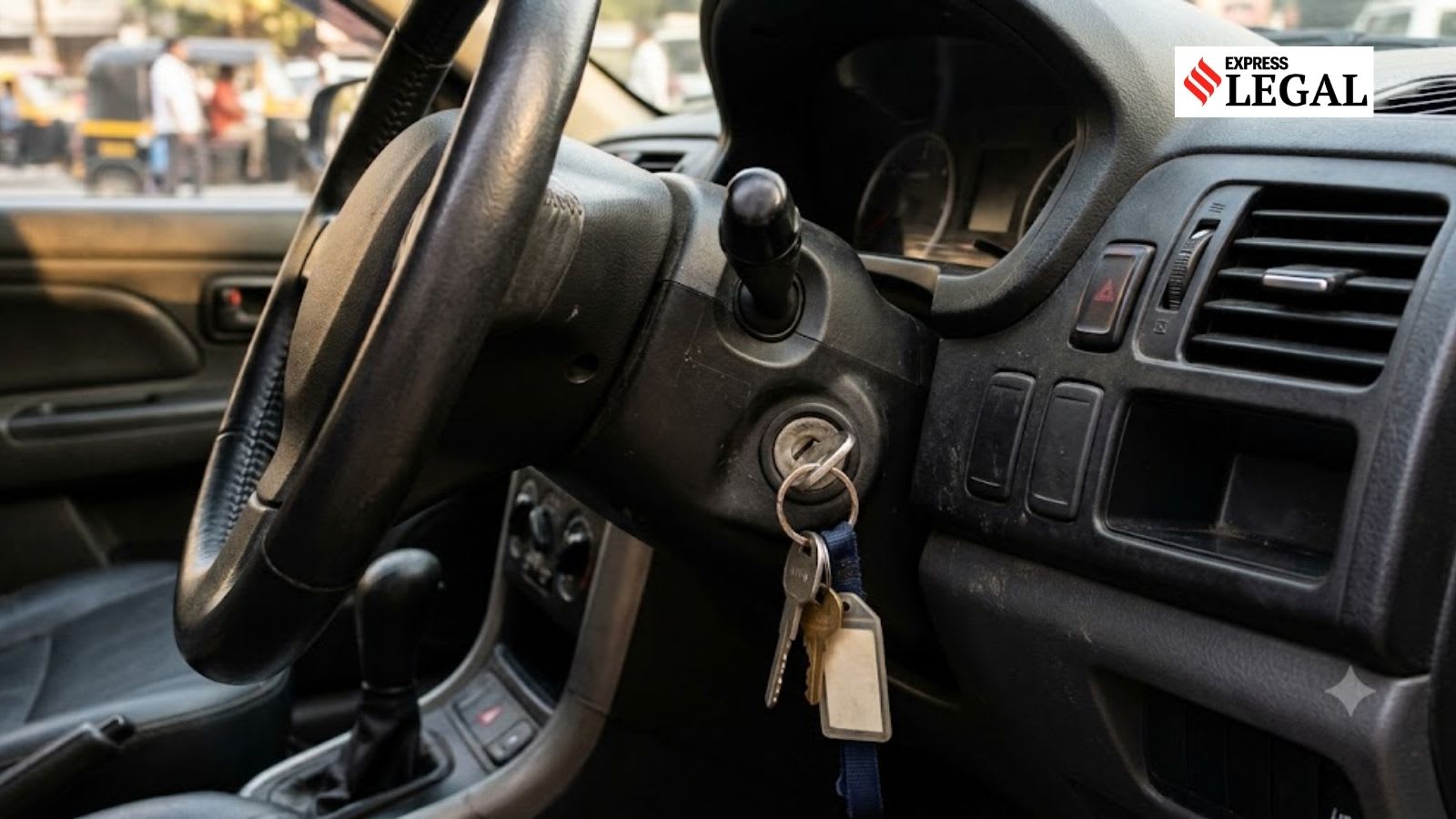
The Delhi Consumer Commission has ruled that insurance companies cannot reject theft claims solely due to policy breaches like leaving keys in the ignition. The insurer must pay Rs 4.25 lakh, as the theft was deemed an unforeseen event unrelated to the owner's negligence.
Consumer Rights and Insurance Liability: A Landmark Ruling
The Incident and Initial Dispute
In a significant development for consumer rights in India, the Delhi Consumer Commission has addressed a dispute involving an insurance claim rejection. A vehicle owner faced a total loss after his car was stolen while the keys were left in the ignition. The insurance provider initially denied the claim, citing 'gross negligence' on the part of the owner, arguing that such behavior constituted a fundamental breach of policy conditions regarding the security of the asset.
Interpreting 'Gross Negligence' vs. Policy Breach
At the heart of the legal debate was the distinction between a technical policy violation and an event that negates the insurer's liability. The insurer maintained that the complainant failed to take reasonable steps to safeguard the vehicle. However, the Commission, led by President Sonica Mehrotra alongside members Richa Jindal and Anil Kumar, scrutinized whether a lapse in judgment should entirely absolve an insurance company of its contractual obligations.
The Commission's Legal Reasoning
The Commission determined that the theft itself was an unforeseen event, distinct from the act of leaving the keys in the ignition. By ruling that a breach of policy conditions does not automatically terminate the insurer’s liability, the court signaled a shift toward protecting consumers from overly restrictive interpretations of insurance contracts. The panel emphasized that the insurer could not evade its primary responsibility simply by pointing to a technicality that did not directly cause the criminal act of theft.
Broader Implications for the Insurance Sector
This verdict serves as a critical precedent for policyholders who have historically struggled against blanket denials from insurance firms. By ordering a payout of Rs 4.25 lakh, which includes compensation for harassment, mental agony, and loss of time, the Commission has set a standard that insurance companies must prove that a policy breach was the proximate cause of the loss. This ruling forces insurers to adopt a more nuanced approach to risk assessment rather than relying on standard denial clauses.
Historical Context and Consumer Protection
Historically, insurance companies have utilized 'reasonable care' clauses to reject claims involving minor lapses in security. This judgment aligns with the broader objective of the Consumer Protection Act, which aims to balance the power dynamic between individual policyholders and large corporations. It reinforces the principle that insurance is intended to provide a safety net for unforeseen circumstances, even when human error is a factor.
Future Trends and Conclusion
Moving forward, this decision is likely to influence how insurance contracts are drafted and how claims are processed in India. We can anticipate that insurance firms will now be more cautious in their denial strategies, potentially leading to more transparency in claim settlements. Ultimately, the Delhi Consumer Commission's ruling reinforces the legal expectation that insurance providers act in good faith, ensuring that technicalities do not supersede the fundamental purpose of the insurance policy.