Vertiv earnings just sent an upbeat signal about AI ahead of Big Tech results
Source Entity
Tomi Kilgore
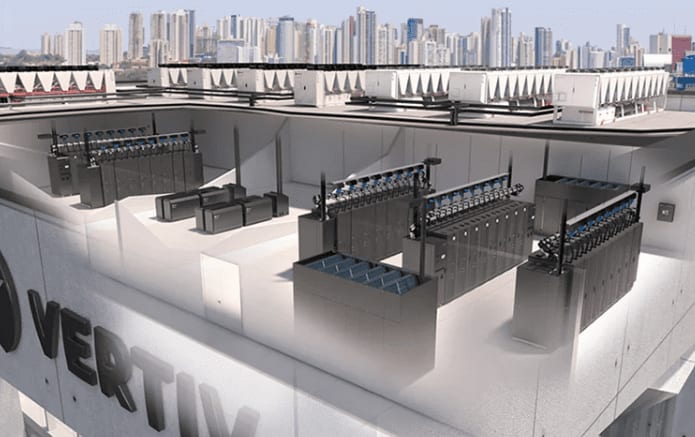
Vertiv's recent earnings report highlights a significant surge in sales, signaling an accelerated expansion of artificial intelligence infrastructure. This performance serves as a key indicator of market optimism ahead of broader Big Tech earnings reports.
The AI Infrastructure Boom: Analyzing Vertiv’s Market Signal
A Bellwether for the AI Economy
Vertiv’s latest earnings report has emerged as a crucial indicator of the current state of the artificial intelligence sector. By posting a significant sales beat, the company has provided empirical evidence that the physical infrastructure required to power AI—specifically cooling systems and power management—is expanding at an accelerated pace. As the market looks ahead to upcoming earnings reports from the world’s largest technology firms, Vertiv’s performance offers a rare, ground-level look at the actual capital expenditure being deployed into data center hardware.
The Mechanics of the Buildout
Artificial intelligence is not merely a software phenomenon; it is a hardware-intensive endeavor. The massive computational power required to train and run large language models necessitates high-density data centers that generate significant heat and demand unprecedented electrical loads. Vertiv’s success is directly tied to this reality. Their ability to outperform expectations suggests that hyperscalers and enterprise clients are not slowing down their procurement of critical infrastructure, but rather ramping it up to meet the demands of the AI race.
Broader Implications for Big Tech
For investors and industry analysts, Vertiv’s results act as a proxy for the broader Big Tech ecosystem. Companies like NVIDIA, Microsoft, and Alphabet are the primary drivers of this infrastructure demand. When a supplier like Vertiv reports strong sales, it confirms that the multi-billion dollar commitments made by these tech giants are successfully transitioning from balance sheets into physical assets. This validates the thesis that the AI buildout is in a robust, multi-year growth phase rather than a temporary spike.
Historical Context of Infrastructure Cycles
Historically, major technological shifts—from the electrification of cities to the fiber-optic buildout of the internet—have always been preceded by massive investments in infrastructure. We are currently witnessing a parallel shift in the digital landscape. Just as telecommunications companies once needed routers and cables, modern AI firms need advanced thermal management and power distribution. Vertiv’s recent surge is indicative of a sector that has moved past the experimental phase and into a period of industrial-scale deployment.
Future Trends and Market Outlook
Looking forward, the trend toward higher power density in data centers is likely to continue, if not intensify. As AI models become more complex, the demand for sophisticated cooling solutions will only grow. The market should expect continued volatility in supply chains as firms compete for critical components. However, Vertiv’s ability to clear these hurdles suggests that the infrastructure supply chain is maturing alongside the software capabilities, creating a more sustainable foundation for long-term AI integration across the global economy.
Conclusion
In summary, Vertiv’s earnings report serves as a definitive signal that the AI buildout is not only continuing but gaining momentum. By bridging the gap between high-level technological ambitions and the physical realities of power and cooling, the company has underscored the viability of the current AI-driven capital expenditure cycle. As Big Tech results approach, the narrative remains clear: the foundation of the AI era is being built in real-time, and it is growing rapidly.
Verification Required?