25% youths in 250 districts not in education or jobs: Survey
Source Entity
SHIVA RAJORA
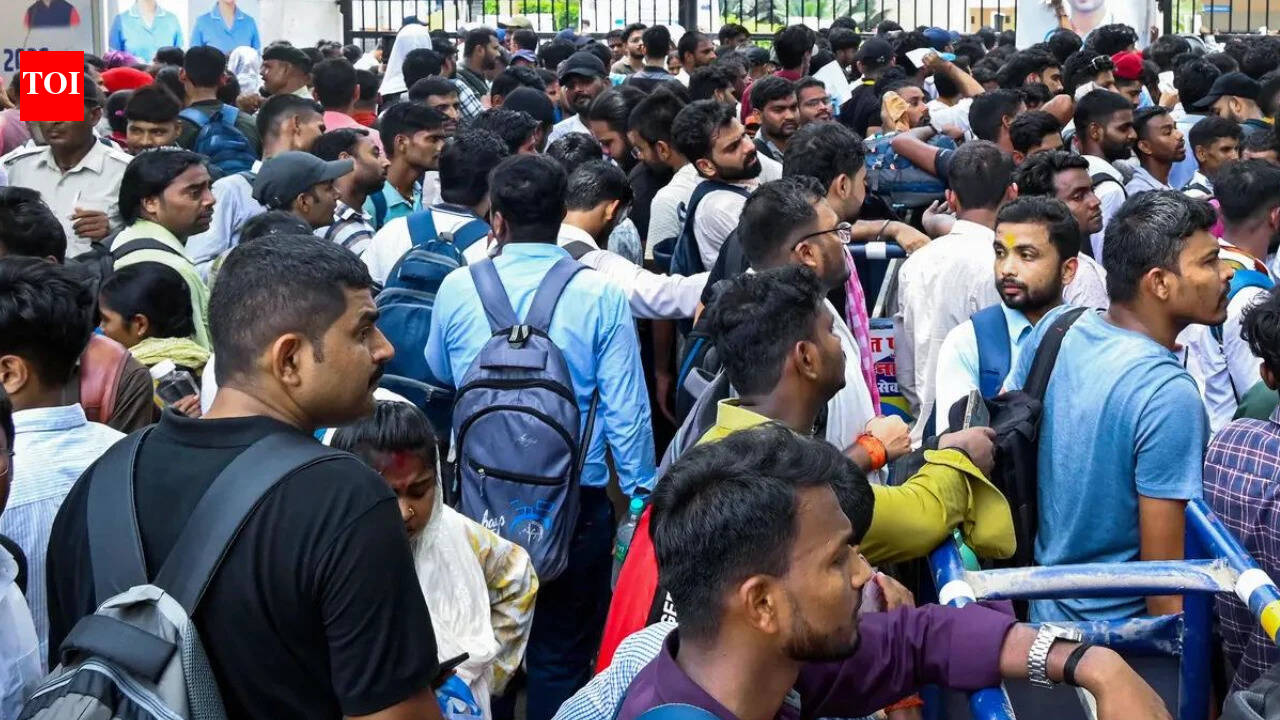
Recent MoSPI data reveals a significant NEET crisis, with 25% of youth in 250 Indian districts neither employed nor in education. Northern states and specific regions in Odisha show particularly high rates, highlighting a critical gap in human capital utilization.
The NEET Crisis: A Challenge to India's Demographic Dividend
Recent data from the Ministry of Statistics and Programme Implementation (MoSPI) has brought to light a concerning trend regarding India's youth population. In approximately 250 districts across the country, more than 25% of individuals aged 15 to 29 fall into the 'NEET' category—Not in Education, Employment, or Training. This classification is a critical indicator of human capital underutilization and poses a significant challenge to the nation's economic development goals.
Regional Disparities and Northern India's Struggle
The situation is notably acute in Northern India, where states such as Bihar, Uttar Pradesh, Haryana, Punjab, and West Bengal are disproportionately represented. In these regions, nearly two-thirds of the districts report that at least a quarter of their youth population is neither working nor studying. Bihar, in particular, stands out with 81% of its districts exceeding the 25% NEET threshold, highlighting a systemic failure to integrate a massive portion of the youth demographic into the formal labor market or educational pipeline.
Localized Extremes: The Case of Odisha
While the national averages are alarming, localized data from the 2025 Periodic Labour Force Survey reveals even more staggering figures. In Odisha, the districts of Anugul and Kendrapara have reported that more than 50% of their youth are in the NEET category. Anugul, specifically, recorded a NEET share of 56.1%, which stands as one of the highest in the country. Such localized data points are essential for policymakers to understand that the NEET issue is not uniform and requires region-specific intervention strategies.
The Economic Implications of Human Capital Gaps
For a country relying on its demographic dividend to drive future growth, the NEET crisis represents a major bottleneck. When over a quarter of the youth population is detached from productive economic activity or skill-building, the potential for long-term GDP growth is diminished. This detachment creates a cycle of dependency and limits the availability of a skilled workforce necessary for industrial and technological advancement. Without bridging this gap, India risks losing the competitive edge that its large, young population is supposed to provide.
Future Trends and Policy Imperatives
Addressing this crisis will require a multi-pronged approach focused on vocational training, improved access to formal education, and local job creation. As the 2025 survey data continues to be analyzed, it is clear that the focus must shift toward districts with the highest NEET concentrations. Future trends will likely depend on whether the state and central governments can implement targeted employment policies that align with the specific economic profiles of these high-NEET regions. Failing to act risks stalling the socio-economic progress of millions of young Indians who currently remain on the sidelines of the national economy.
Multiple Citing Sources