Sikkim Proposes 3 Ways To Mitigate Glacial Lake Outburst Flood Risks
Source Entity
NDTV News Search Records Found 1000
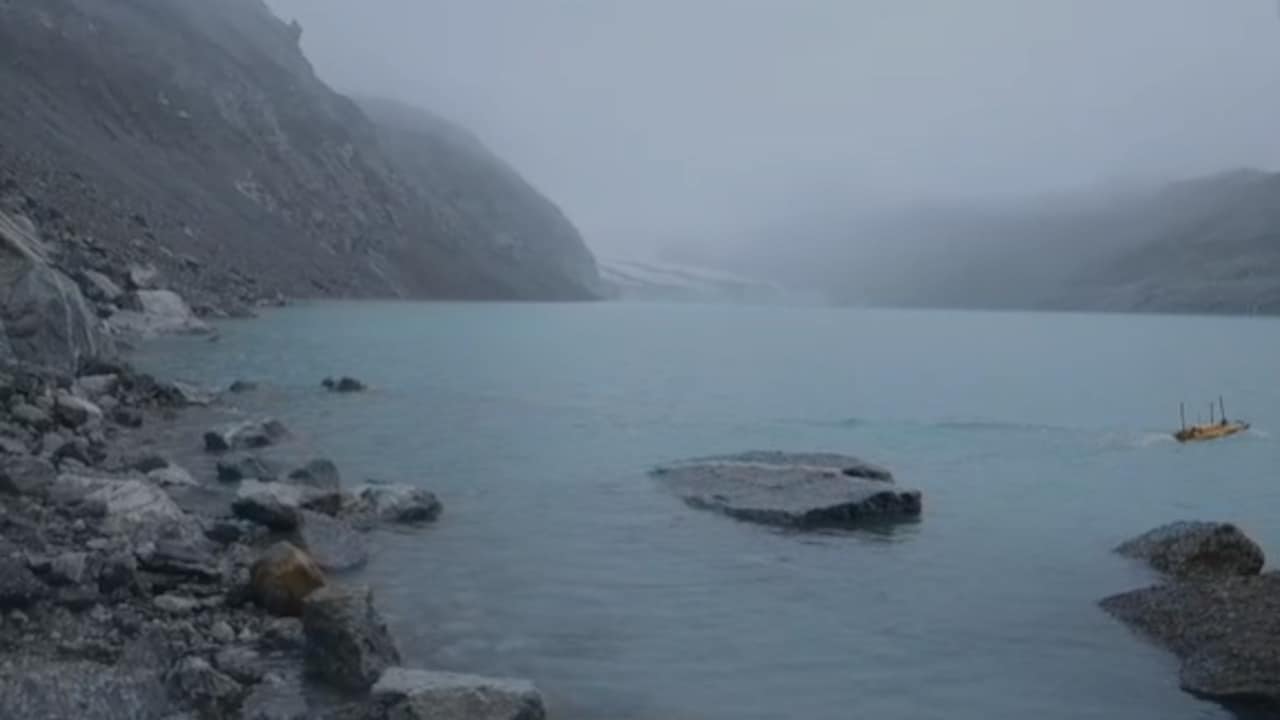
India has committed to rebuilding a flood-ravaged school in Nepal following catastrophic glacier-induced floods that claimed over 1,100 lives. While families perform symbolic rites for the missing, experts are calling for better transboundary monitoring to address missed early warning signs.
The Humanitarian and Infrastructure Crisis in Nepal
The recent catastrophic flooding in Nepal, triggered by a massive glacier collapse along the Nepal-China border, has left a trail of devastation that extends far beyond the immediate loss of life. With the death toll surpassing 1,100, the disaster has forced communities into a period of deep mourning. In Kathmandu, the somber reality of the tragedy is evident as families gather at Pashupati Aryaghat to perform symbolic Hindu funeral rites using kusha grass effigies for those still missing. This practice highlights the profound human cost of the disaster, where the lack of remains leaves families in a state of suspended grief.
India’s Role in Educational Reconstruction
Amidst the widespread destruction, India has stepped forward with a significant humanitarian gesture: a pledge to provide full support for the reconstruction of the Tribhuvan Trishuli Secondary School in Bidur. This commitment follows a harrowing incident on August 26, where approximately 900 students were saved due to an emergency evacuation just before the flash floods engulfed the campus. By relocating the school to higher, safer ground, this initiative not only restores educational access but also serves as a model for climate-resilient infrastructure in the region.
The Science of Missed Warnings
Scientific analysis provided by the HiRISK consortium has brought the issue of disaster preparedness to the forefront. Experts identified clear 'pre-event indications' days before the collapse, including the appearance of brown meltwater and visible cracks propagating into the bedrock slope. These findings suggest that the tragedy might have been partially mitigated had robust, real-time early warning systems been operational. The failure to act on these visual cues underscores a critical gap in current Himalayan monitoring capabilities.
The Necessity of Transboundary Cooperation
The tragedy highlights the urgent need for enhanced cross-border cooperation regarding transboundary hazard management. Because the glacier collapse occurred along the Nepal-China border, the disaster demonstrates that localized monitoring is insufficient. Future resilience depends on a coordinated effort between neighboring nations to share satellite data and hydrological information, ensuring that vulnerable downstream communities receive timely alerts.
Looking Ahead: Towards Climate Resilience
The events in Nepal serve as a grim reminder of the intensifying risks posed by glacial instability in the face of a changing climate. As communities begin the long process of recovery, the focus must shift from purely reactionary relief to proactive, systemic resilience. This includes investing in comprehensive glacier and slope monitoring, revising land-use planning to avoid high-risk zones, and fostering international partnerships that prioritize the safety of high-altitude populations. Without these structural changes, the region remains susceptible to future events of similar magnitude.
Multiple Citing Sources
Verification Required?