Nepal floods: Indian Railways makes arrangements for passengers returning home
Source Entity
Anish Mondal
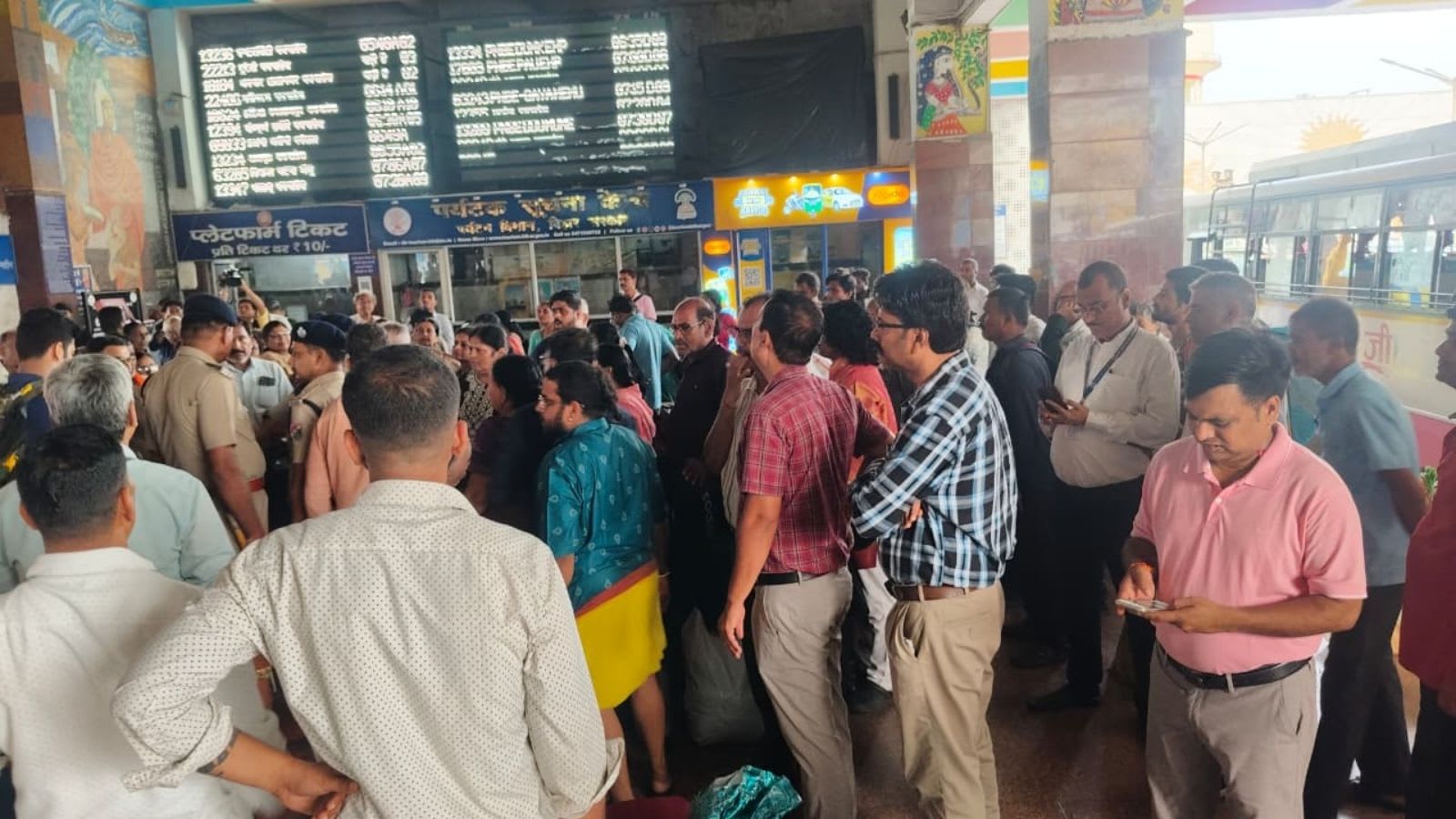
In response to catastrophic flooding in Nepal, India has mobilized humanitarian relief and logistical support, including the transport of stranded passengers and early power imports. This cooperation highlights the strong bilateral ties as Nepal works to recover from severe infrastructure damage.
India's Multi-Faceted Response to Nepal's Flood Crisis
A Humanitarian Corridor for Stranded Travelers
As Nepal grapples with the aftermath of devastating flash floods, the Indian government and Indian Railways have stepped in to facilitate the safe passage of citizens and travelers. Recognizing the logistical nightmare faced by those attempting to return home, the East Central Railway (ECR) has implemented targeted measures. By attaching additional Third AC (3A) coaches to the Patna-Purna Express (train number 17609), authorities successfully accommodated 106 passengers, ensuring they could reach Maharashtra without further delay. This initiative was complemented by the establishment of an emergency ticket counter at Patna Junction, demonstrating a proactive approach to disaster management.
Essential Relief and Logistical Support
Beyond facilitating travel, India has demonstrated its commitment to its neighbor through a massive humanitarian aid operation. Since the onset of the crisis, India has dispatched 57.6 tonnes of critical relief material to the flood-ravaged regions of Nepal. This rapid deployment of resources is vital in stabilizing the immediate needs of affected communities, providing food, water, and medical supplies to those who have lost access to basic services due to the destruction of transport and supply chains.
Securing Energy Stability Amidst Infrastructure Collapse
One of the most profound impacts of the flooding has been the severe damage to Nepal’s power infrastructure. Traditionally, Nepal relies on its own hydroelectric generation, supplemented by imports from India during the winter months. However, the current disaster has necessitated an emergency shift in energy policy. Kathmandu has requested that India advance its electricity import approvals to September, bypassing the standard October schedule to mitigate significant generation deficits. The Indian Union Power Ministry has signaled a willingness to accommodate this request, illustrating the depth of energy interdependence between the two nations.
Historical Context and Bilateral Relations
India and Nepal share a unique 'Roti-Beti' relationship, defined by deep historical, cultural, and geographic ties. This partnership is frequently tested by environmental challenges, as both nations share river systems prone to seasonal flooding. Historically, India has been a first responder during crises in Nepal, viewing regional stability as intrinsically linked to its own. The current cooperation—ranging from human transit to power grid support—reflects a mature bilateral framework capable of adapting to sudden climate-induced disasters.
Looking Ahead: Climate Resilience and Future Trends
This event underscores the growing vulnerability of Himalayan infrastructure to extreme weather events. As climate change increases the frequency of flash floods, the reliance on cross-border infrastructure becomes a critical point of resilience. Future trends will likely focus on more robust, climate-resilient power transmission projects and enhanced early-warning systems shared between India and Nepal. The efficiency with which India has processed these emergency requests sets a precedent for future crisis management, emphasizing the necessity of integrated regional disaster response protocols.
Multiple Citing Sources