India, Netherlands upgrade ties; sign 17 MoUs on water, renewable energy, and semiconductors
Source Entity
India Latest News: Top National Headlines Today & Breaking News | The Hindu
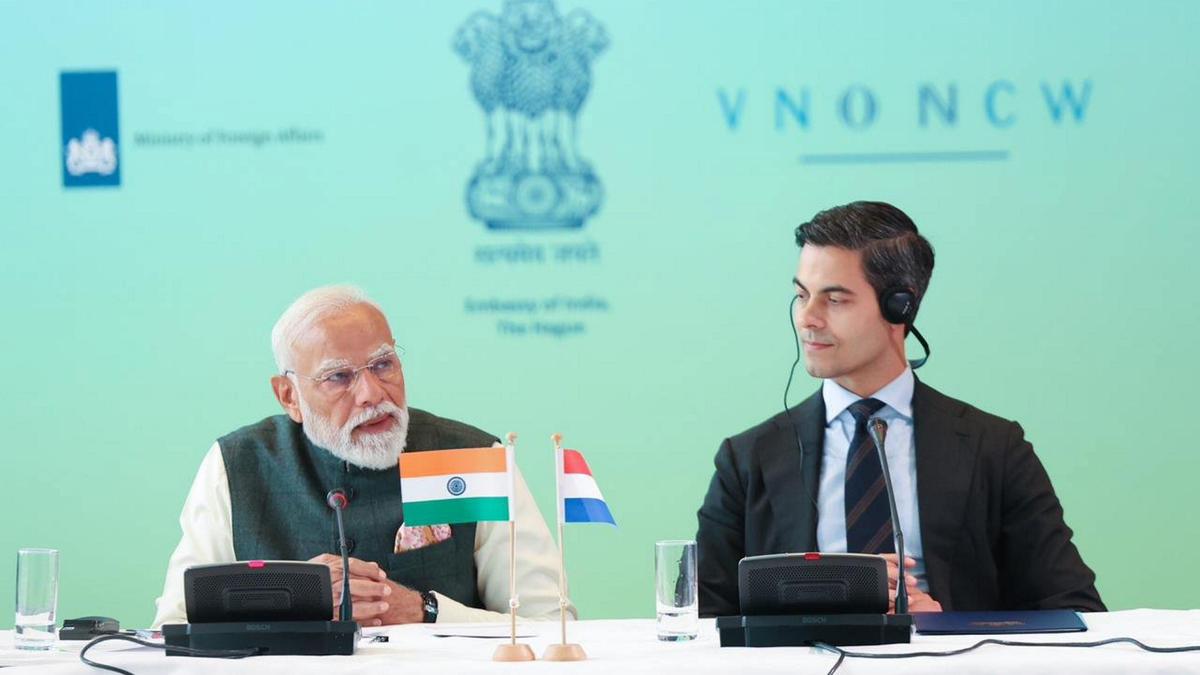
India and the Netherlands have elevated their relationship to a Strategic Partnership, signing 17 agreements focused on semiconductors, water, and renewable energy. Despite this economic cooperation, the two nations navigated diplomatic friction regarding human rights and specific legal custody cases.
A New Strategic Horizon: India and the Netherlands
India and the Netherlands have officially elevated their bilateral relationship to a Strategic Partnership following Prime Minister Narendra Modi’s high-profile visit on May 16-17. This diplomatic upgrade signifies a deepening of ties between New Delhi and The Hague, moving beyond traditional trade interactions toward a comprehensive alliance centered on technological synergy, sustainability, and resource management. By formalizing this partnership, both nations have signaled their intent to align their geopolitical and economic interests more closely in an increasingly multipolar world.
The Technological and Industrial Backbone
At the core of this partnership lies a focus on critical future-tech. The signing of 17 memorandums of understanding (MoUs) spans vital sectors categorized under the "WAH" framework: water, agriculture, and health. However, the most significant industrial development is the semiconductor fabrication project between TATA Electronics and the Dutch tech giant ASML. As the global supply chain for high-end microchips remains a primary battlefield for technological sovereignty, this collaboration positions India as a key node in the global semiconductor manufacturing ecosystem, leveraging Dutch expertise in lithography to bolster India's domestic production capabilities.
Navigating Diplomatic Complexities
While the economic outlook is robust, the visit was not without diplomatic friction. Newly elected Dutch Prime Minister Rob Jetten brought "sensitive topics" to the negotiating table, specifically addressing the long-standing legal custody and abduction case of a Dutch-born child, Insiya. Furthermore, reports from Dutch media indicated that PM Jetten raised concerns regarding press freedoms and minority rights in India. These discussions highlight the inherent tension in modern diplomacy where economic pragmatism must coexist with the internal socio-political scrutiny of democratic partners.
The MEA Response and Foreign Policy Stance
In response to the Dutch concerns, India’s Ministry of External Affairs (MEA) pushed back, maintaining a firm stance on its internal sovereignty. This reaction reflects New Delhi’s broader foreign policy doctrine, which seeks to engage with Western partners on economic and strategic terms while resisting external interference in matters of domestic governance. The ability of both nations to compartmentalize these sensitive political disagreements while simultaneously pushing forward a massive agenda of 17 MoUs demonstrates a mature, albeit complex, bilateral relationship.
Future Trends and Strategic Implications
Looking ahead, the partnership suggests a shift toward "de-risking" supply chains by diversifying critical mineral and technology access. As India focuses on its "Make in India" initiative, the influx of Dutch technical knowledge in water management and renewable energy will be instrumental in meeting India's climate goals. The trajectory of this relationship will likely be defined by how effectively these two nations can maintain their economic momentum while managing the inevitable friction that arises from differing societal and political values in the global arena.
Verification Required?