Rajghat First, Mountains Next: Sonam Wangchuk's Plan After Hospital Release
Source Entity
NDTV News Search Records Found 1000
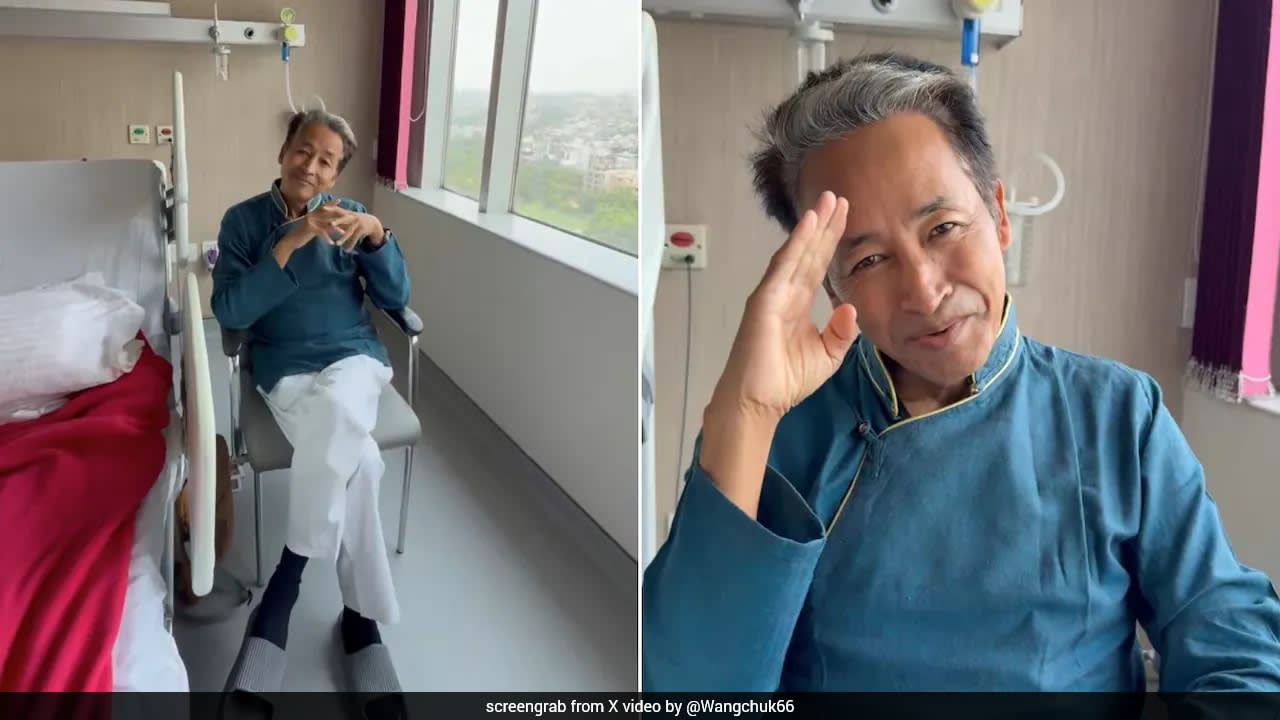
Current reports highlight diverse national developments, including Sonam Wangchuk's post-hunger strike plans, the tragic suicide of a NEET aspirant, and political friction involving Education Minister Dharmendra Pradhan. These events reflect the ongoing social and political discourse within India.
National Developments: Protests, Tragedy, and Political Discourse
Sonam Wangchuk's Activism Continues
Renowned climate activist and educator Sonam Wangchuk has concluded a significant hunger strike that spanned nearly a month, from June 28 to July 23. Following his release from the hospital, his trajectory remains focused on public advocacy. Having already utilized the symbolic site of Rajghat—the memorial to Mahatma Gandhi—to voice his concerns, his shift toward mountainous regions suggests a continued commitment to environmental and regional issues affecting high-altitude communities.
The NEET Aspirant Crisis
In a heartbreaking development, a 19-year-old NEET aspirant named Ankita was found dead by suicide in her room this past Saturday at 4:30 pm. Her family has indicated that she had been struggling with depression. This incident underscores the immense, often overwhelming pressure faced by students in India’s hyper-competitive medical entrance examination ecosystem, prompting renewed calls for mental health support and systemic reform in the coaching and testing sectors.
Parliamentary Tensions
In the political sphere, Union Education Minister Dharmendra Pradhan was welcomed by ruling MPs in Parliament on Monday. The atmosphere turned confrontational when Pradhan responded to a remark from a Congress MP regarding the phrase "It happens." Pradhan, asserting his resilience, described himself as a "street fighter," signaling a combative stance in the face of parliamentary scrutiny regarding his ministry's handling of current educational crises.
Broader Implications of Recent Events
These three distinct occurrences highlight the multifaceted nature of current Indian headlines. From the environmental activism of Wangchuk to the tragic human cost of academic competition and the heated exchanges within the halls of democracy, the nation is grappling with interconnected challenges. The intersection of student welfare, political accountability, and social activism defines the present sociopolitical climate.
Future Trends and Outlook
Moving forward, the pressure on the Ministry of Education is likely to intensify, particularly concerning the NEET examinations, as public outcry over student welfare grows. Simultaneously, activists like Wangchuk continue to influence regional policy debates by bridging the gap between local environmental concerns and national attention. The political climate remains volatile, with opposition parties increasingly utilizing these social crises to challenge the government's efficacy.
Conclusion
While these events are disparate in nature, they collectively illustrate a period of significant tension in India. Whether addressing the mental health of the youth, the demands of climate activists, or the decorum of parliamentary debate, the government faces a complex landscape that requires both immediate policy intervention and long-term structural empathy.
Multiple Citing Sources
Verification Required?