Kohli, Rohit miss the beat in their last dance on New Zealand soil
Source Entity
SAHIL MALHOTRA
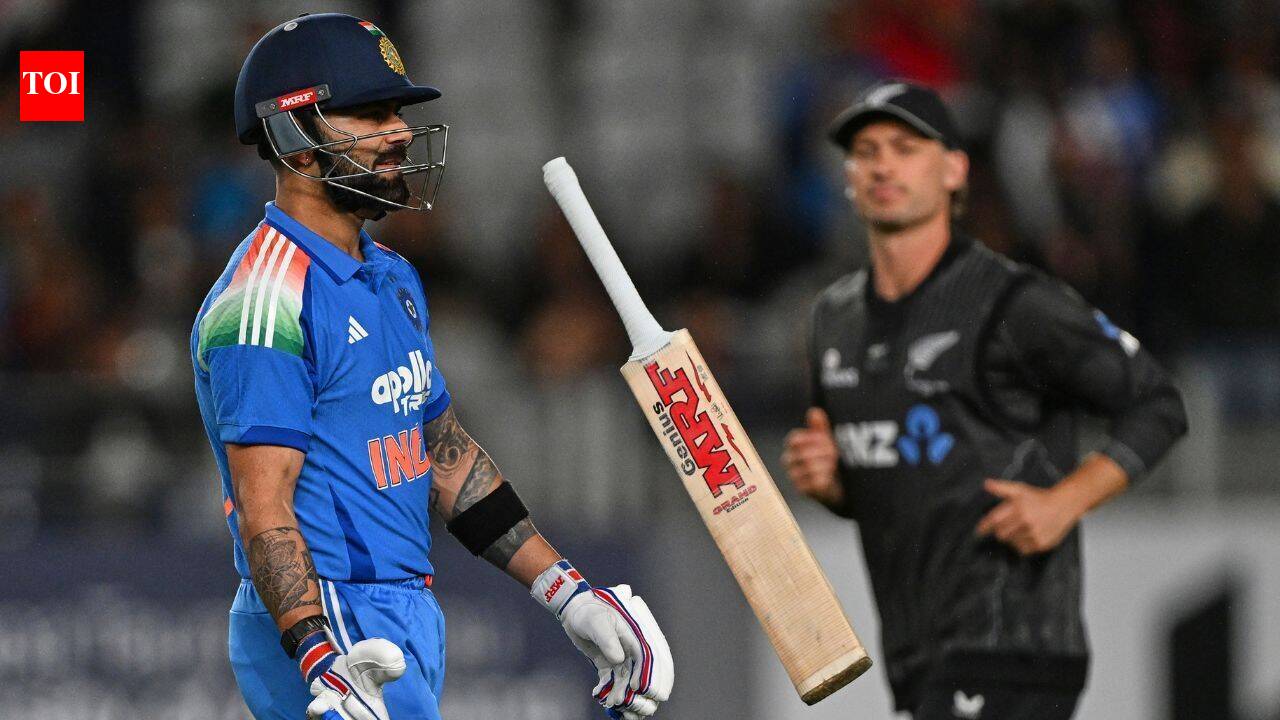
Despite a challenging ODI series for senior stalwarts Virat Kohli and Rohit Sharma, India secured a historic 3-1 series victory in New Zealand. A dominant seam bowling performance proved decisive in overcoming consistent top-order batting collapses.
A Tale of Two Realities: India’s Series Triumph vs. Top-Order Struggles
India’s recent ODI series in New Zealand presented a paradoxical narrative: while the team managed to secure a historic 3-1 series victory—their first in the country in seven years—the performance of iconic veterans Virat Kohli and Rohit Sharma raised significant concerns. Despite the team’s ultimate success, the senior duo struggled to contend with the movement and bounce characteristic of Kiwi pitches, culminating in a series of disappointing individual returns that have sparked debate regarding their longevity in the format.
The Decline of the Stalwarts
Virat Kohli, despite a promising start at Eden Park with a 74 off 51 balls, suffered a precipitous decline, recording scores of 7, 0, and 5 in his subsequent innings. This represents an 11-year low for the former captain, who has historically dominated the New Zealand bowling attack. Similarly, Rohit Sharma struggled to find his rhythm, managing only 86 runs across the series. Their inability to anchor the innings against the relentless accuracy of the New Zealand pace attack suggests that even the most seasoned campaigners are susceptible to the challenging conditions of the Southern Hemisphere.
Tactical Reliance on Seam Bowling
With the top order misfiring, India’s path to victory shifted heavily toward their bowling unit. The series was defined by a collective effort from the seam quartet of Mohammed Siraj, Arshdeep Singh, Auqib Nabi, and debutant Yash Thakur. In the decisive match at Tauranga, this group successfully defended a modest total of 209, proving that India’s bench strength in the bowling department is currently capable of masking systemic batting failures. The tactical pivot by stand-in captain Shreyas Iyer to rely on these pace options was the difference-maker in a series characterized by batting collapses.
Historical Context and Series Dynamics
It is important to view this 3-1 series win as a resilient recovery following a crushing 244-run defeat earlier in the tour. While the victory is a significant milestone for Indian cricket in New Zealand, the recurring batting collapses—notably at the Bay Oval—indicate a lack of stability in the middle and upper-middle order. The victory masks a deeper issue: the team’s over-reliance on individual brilliance rather than consistent top-order contributions.
Looking Toward the 2027 World Cup
As the cricketing world turns its gaze toward the 2027 ODI World Cup in South Africa, these results serve as a critical diagnostic tool for the Indian selection committee. The struggles of Kohli and Sharma raise inevitable questions about squad composition and the necessity of transitioning younger talent into the top order. While the current seam attack provides a strong foundation for future overseas campaigns, the sustainability of the team’s success remains tethered to the ability of the batting unit to handle high-movement conditions.
Conclusion
Ultimately, India leaves New Zealand with a trophy in hand but with substantial tactical questions to address. The combination of a world-class pace attack and the undeniable decline of veteran form creates a complex transition period for Indian cricket. Balancing the legacy of legends with the requirement for future-proofing will be the primary challenge for the coaching staff in the seasons leading up to the next global marquee event.
Multiple Citing Sources