Can India refuse to serve summons in the Pannun case?
Source Entity
India Latest News: Top National Headlines Today & Breaking News | The Hindu
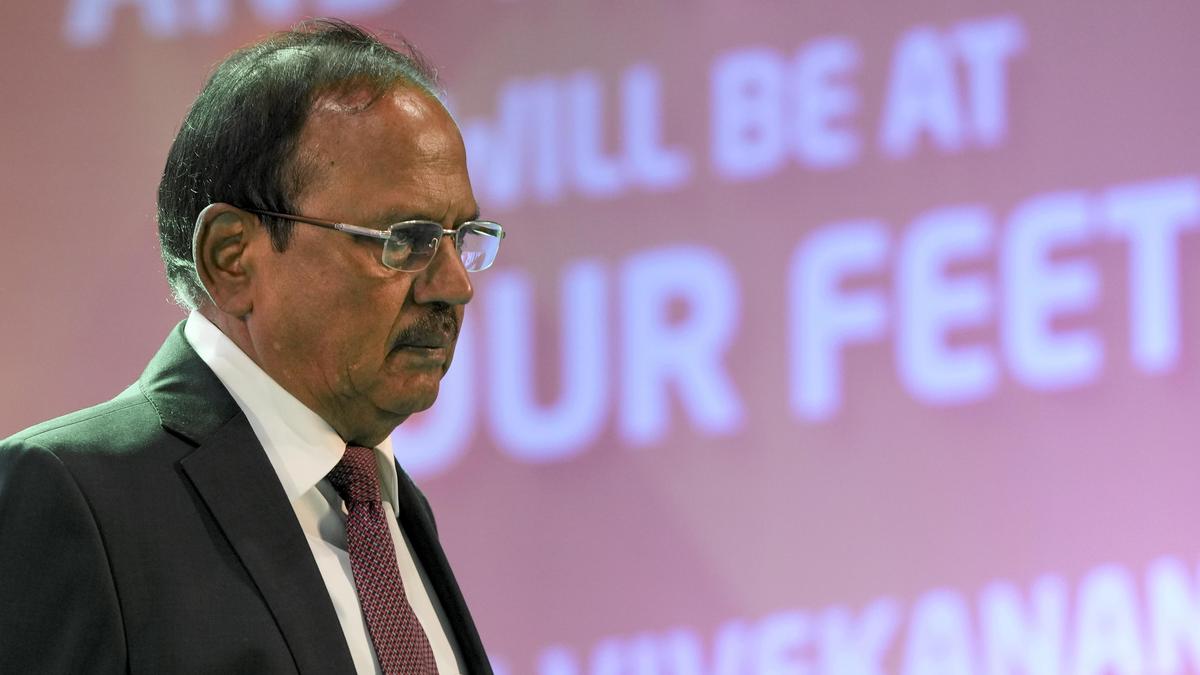
A U.S. court has permitted Gurpatwant Singh Pannun to serve summons on top Indian officials regarding an alleged assassination plot. This legal development highlights escalating tensions between India and Western nations over claims of cross-border intelligence operations.
The Legal and Diplomatic Standoff: Pannun vs. Indian Officials
The recent decision by a U.S. court to allow Khalistani separatist Gurpatwant Singh Pannun to serve summons on National Security Adviser Ajit Doval and former RAW chief Samant Kumar Goel marks a significant escalation in a complex legal and diplomatic saga. Pannun, who is designated as a terrorist under India’s Unlawful Activities Prevention Act (UAPA), has initiated a civil lawsuit alleging a conspiracy to assassinate him on U.S. soil. This judicial development follows reports from the Washington Post and U.S. federal findings alleging a foiled plot directed against him in June 2023.
The Nexus of Allegations and Intelligence
At the heart of the controversy is the alleged involvement of India’s external intelligence agency, the Research and Analysis Wing (R&AW). U.S. media reports have identified former R&AW chief Samant Goel and official Vikash Yadav as key figures in the alleged operation. The reports suggest that Yadav directed an operative named Nikhil Gupta, currently in custody in the Czech Republic, to orchestrate the plot. These allegations represent a rare public spotlight on the operational reach of Indian intelligence, drawing scrutiny from the U.S., Canada, Australia, and Pakistan.
The Sovereignty vs. Accountability Dilemma
This case forces a collision between the principles of sovereign immunity and the mandate for international legal accountability. By permitting the service of summons through Indian courts, the U.S. judiciary is testing the limits of international legal cooperation. Serving summons on high-ranking national security officials is diplomatically unprecedented and presents a formidable challenge to India’s judicial and executive framework, which must now grapple with how to respond to a process initiated by an individual they classify as a terrorist.
Broader Geopolitical Implications
Beyond the specific case of Mr. Pannun, these developments have cast a shadow over India’s intelligence operations in Western nations. The accusations that R&AW spearheaded surveillance and targeted actions against separatists in multiple countries have prompted a defensive posture from New Delhi. The Indian government has consistently navigated these claims while balancing its strategic partnerships with the United States, which are vital for regional security and economic cooperation in the Indo-Pacific.
Historical Context and Future Trends
Historically, intelligence agencies operate within a 'gray zone' of international relations, where state interests often clash with the legal norms of host nations. However, the current trend of public exposure—fueled by investigative journalism and federal investigations—suggests that the era of quiet intelligence operations is being replaced by a more transparent and litigious environment. As this civil case progresses, it is likely to influence how intelligence agencies conduct cross-border activities and how nations manage the fallout of such allegations, potentially leading to new protocols for security cooperation.
Conclusion
In summary, the Pannun lawsuit serves as a critical juncture in India-U.S. relations. Whether or not the summons can be effectively served, the case has already succeeded in bringing allegations of state-sponsored intelligence activities into the public and legal domain. The outcome of this legal battle will likely set a precedent for how future disputes involving national security officials and foreign non-state actors are mediated in international courts.
Verification Required?