New Delhi’s goals, and peace in Kyiv
Source Entity
Latest News: Todays Latest News Headlines from India & World | Hindustan Times
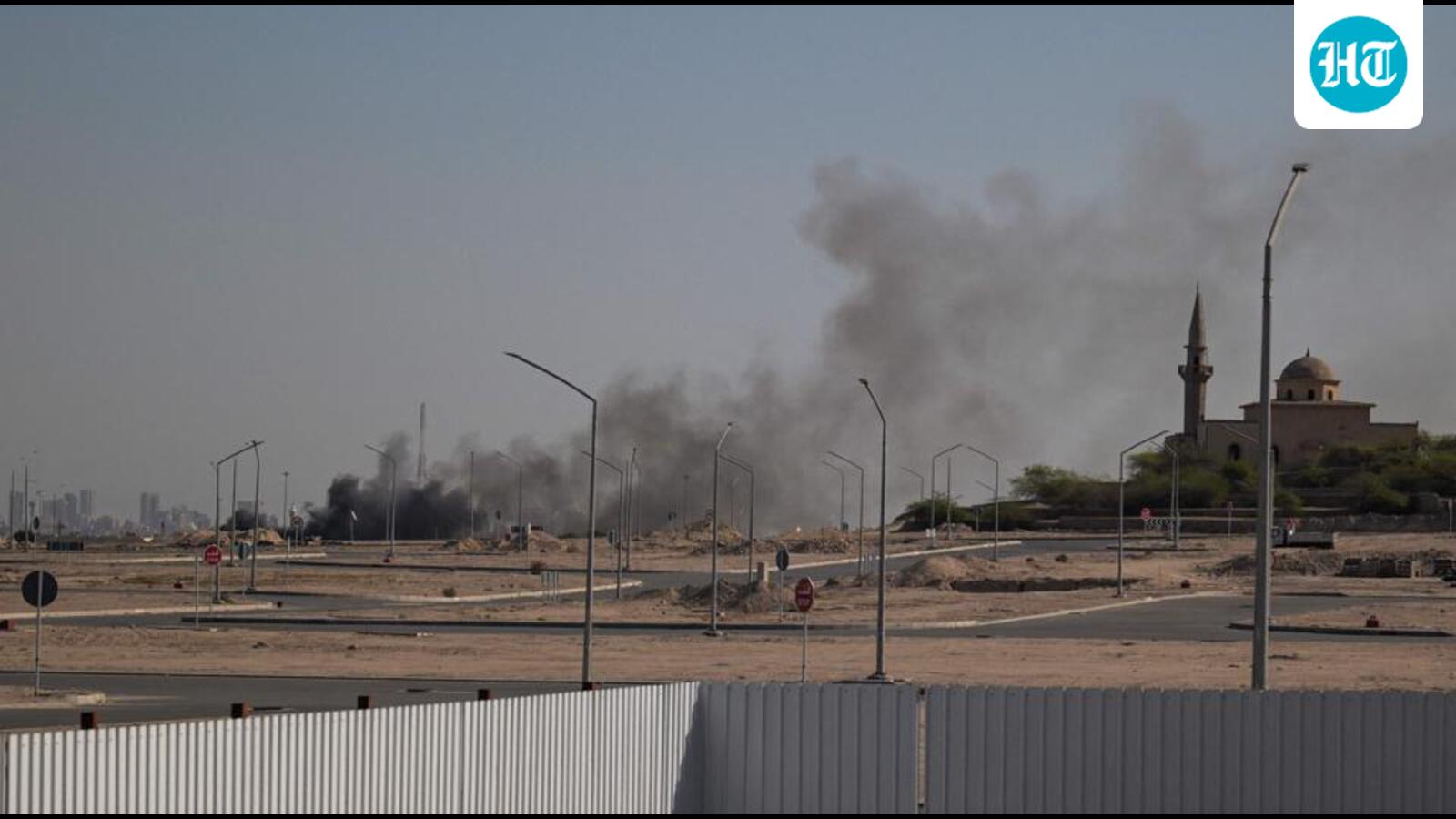
India is positioning itself as a neutral peacebroker in the Russia-Ukraine conflict while simultaneously leveraging the crisis to boost its domestic defense manufacturing. As trilateral talks resume in Abu Dhabi, New Delhi seeks to stabilize energy markets and secure global supply chains.
India’s Strategic Pivot: Balancing Peacebroker Status and Industrial Growth
India has emerged as a pivotal diplomatic actor in the ongoing Russia-Ukraine conflict, utilizing its unique position as a neutral party to facilitate dialogue. Recent high-level engagements, including Prime Minister Narendra Modi’s conversation with President Volodymyr Zelensky and External Affairs Minister S. Jaishankar’s outreach to Sergey Lavrov, underscore New Delhi’s commitment to bridging the gap between Moscow and Kyiv. By advocating for essential initiatives like safe food corridors in the Black Sea, India is reinforcing its influence on the global stage, positioning itself as a reliable mediator capable of navigating complex geopolitical divides.
The Abu Dhabi Trilateral Talks
The current diplomatic momentum is centered on the third round of US-mediated peace talks taking place in Abu Dhabi. With US President Donald Trump signaling potential progress following discussions with Russian envoys, and Jared Kushner confirming substantive meetings with Ukrainian and NATO officials, there is a guarded optimism that the deadliest European conflict since World War II may finally see a resolution. For India, a successful rapprochement is not merely a diplomatic victory but an economic necessity, as a cooling of hostilities could alleviate the crippling energy pressures that have strained the global economy.
Lessons from the Frontlines
The conflict has served as a brutal masterclass in modern warfare, highlighting the inadequacy of peacetime defense stockpiles. The rapid depletion of ammunition in Ukraine and the recent challenges faced by the US in the Middle East demonstrate that long-drawn conflicts are ultimately decided by industrial output, not just advanced platforms. This reality has forced a strategic shift in India’s defense policy, moving away from reliance on government-run entities toward the integration of private firms into the artillery ammunition manufacturing sector.
Scaling Industrial Capacity
For India, the current global climate presents a unique opportunity to transform its defense sector from a consumer into a durable industrial powerhouse. The challenge lies in converting immediate export demand into a sustainable capacity that can handle the sudden surges of wartime replenishment. By incentivizing private sector participation, India is attempting to close the quality and quantity gaps that have historically hampered its defense readiness, ensuring that its industrial base is as robust as its diplomatic ambitions.
Future Trends and Global Implications
Looking ahead, India’s dual-track approach—diplomatic mediation and industrial self-reliance—is likely to define its foreign policy trajectory. As the Abu Dhabi talks progress, New Delhi’s ability to remain a trusted interlocutor will be tested by its capacity to advocate for pragmatic solutions that satisfy both Western and Russian interests. If successful, India’s role as a peacebroker could cement its place at the 'global high table,' while its expanding defense industrial base provides the necessary backbone to support its sovereign interests in an increasingly volatile world.
Multiple Citing Sources
Verification Required?