‘Utterly shameful’: Tharoor slams police action against women protesters in Delhi
Source Entity
AADRITA HALDER
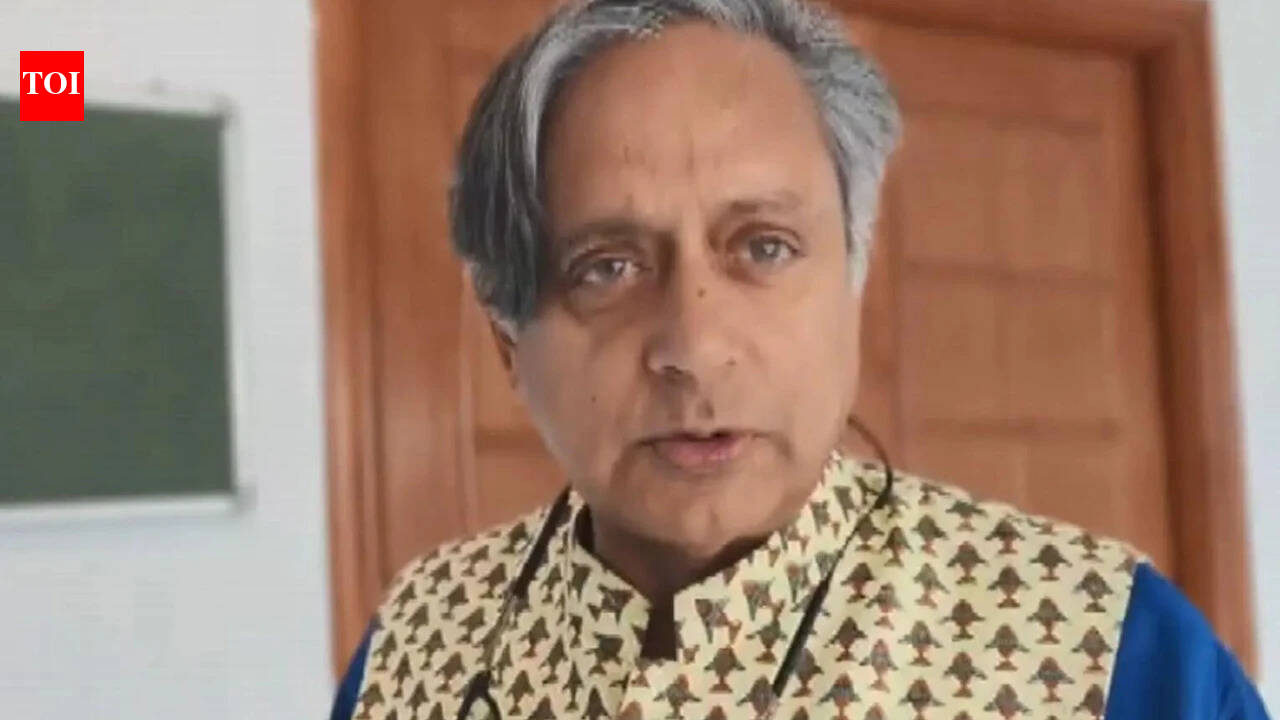
Recent political discourse in India highlights sharp criticism of the Centre regarding historical icons and civil rights. Simultaneously, security forces have intensified operations in Jammu and Kashmir to counter suspected terrorist activity.
The Interplay of Political Dissent and National Security in India
Ideological Battles and Historical Icons
Recent political discourse has seen sharp critiques directed at the Indian government, with figures like Dipke positioning historical leaders Mahatma Gandhi, Jawaharlal Nehru, and B.R. Ambedkar as the 'soul, mind, and backbone' of the nation. This rhetoric underscores a deepening divide regarding the legacy of India’s foundational figures. By invoking these specific names, critics are framing the current political climate as a departure from the constitutional and moral framework established by the architects of modern India, suggesting that the current administration’s policies are at odds with these core values.
Civil Liberties and State Conduct
Concurrent with these political debates, concerns over civil liberties have been amplified by figures such as Shashi Tharoor, who labeled police actions against women protesters in Delhi as 'utterly shameful.' This incident highlights the growing friction between state security apparatuses and the right to peaceful assembly. When authorities engage in aggressive crowd control, it often triggers wider debates regarding the proportionality of force and the protection of democratic spaces, further polarizing public opinion on how the state manages internal dissent.
Security Challenges in Jammu and Kashmir
While political tensions simmer in the capital, the security landscape in Jammu and Kashmir remains volatile. The recent launch of search operations for suspected terrorists in the Rajouri and Udhampur districts reflects the persistent threat of militancy in the region. These operations are critical components of the state's counter-insurgency strategy, aimed at preventing the infiltration of hostile elements and maintaining regional stability amidst ongoing geopolitical pressures.
The Nexus of Governance and Stability
These disparate events—political criticism of the Centre, protests in the capital, and anti-terror operations in the north—collectively illustrate the multifaceted challenges currently facing India. The government must navigate the delicate balance between upholding national security in sensitive border regions and maintaining the democratic health of the nation. The criticism regarding the 'soul' of the country suggests a public demand for ideological consistency, while the security situation in J&K necessitates a robust and focused military response.
Future Implications and Trends
Looking ahead, the tension between political opposition and the ruling establishment is likely to intensify as discourse around historical legacies becomes a staple of election campaigning. Furthermore, the effectiveness of security operations in J&K will remain a litmus test for the government's ability to ensure internal peace. As the nation moves forward, the ability to reconcile these varying pressures—ideological, civic, and security-based—will be the defining factor in India’s domestic stability and its global standing.